
A worn or poorly fitted door seal can let drafts, dust, light, and outside noise slip into your home. The right replacement depends on your door: some seals press into a groove in the frame, while others stick to a clean, flat surface. These five options cover both styles, including choices for larger gaps. Before you buy, check how your door frame is built and measure the gap with the door closed.
Table of Contents
Quick Comparison
| Product | Type | Fit notes | Best for |
|---|---|---|---|
| Litaibai 40 ft Kerf Weather Stripping | Press-in kerf seal | 1/8-inch kerf; 1/4–1/2-inch closed-door gap | Replacing worn seals in grooved frames |
| Bantie Kerf Weather Stripping | Press-in kerf seal | 1/8-inch groove; about 3/10–7/8-inch gap | Grooved frames with larger gaps |
| VITAM AMO Self-Adhesive Weather Stripping | Adhesive EPDM seal | 5/16–15/32-inch gap; 18-foot roll | Flat surfaces and larger gaps |
| Benory T-Shaped Silicone Door Seal | Adhesive silicone seal | 20-foot roll; check gap and mounting surface | A clear seal with two adhesive faces |
| Litaibai Large-Gap Kerf Weather Stripping | Press-in kerf seal | 3/8–5/8-inch gap; grooved frame required | Exterior doors with larger frame gaps |
Our Picks: The Best Weather Stripping For Doors reviews
1. Litaibai 40 ft Kerf Seal: A Straightforward Replacement for Standard Grooves

This Litaibai seal is made for exterior door frames with a pre-cut kerf: a narrow groove that holds the weather stripping in place. Its flexible foam core has a PE cover, and the 40-foot roll can be cut to fit one or more doors. It is a replacement part for an existing grooved frame, not a peel-and-stick strip.
The listed fit is a 1/8-inch kerf and a closed-door gap of 1/4 to 1/2 inch. To install it, remove the old seal, clean out the groove, measure and cut the new strip, then press its flange into the slot. The foam is designed to compress when the door shuts and rebound afterward, helping maintain contact around the frame.
Its main advantage is the combination of a familiar press-in installation and a generous roll length. It may suit you if the old seal has cracked, flattened, or been damaged and the frame groove is still in good shape. If you have a flat frame without a kerf, this is the wrong style. Measure the gap as well: this regular profile is not the best fit for a gap that falls outside its stated range.
Pros:
- Long roll can be cut for multiple sections or doors.
- Press-in design avoids adhesive on the frame.
- Flexible, PE-covered foam is designed to compress and rebound.
- Specified for common 1/8-inch kerf grooves.
Cons:
- Only fits frames with a compatible pre-cut groove.
- Gap range is narrower than the large-gap options here.
Verdict: Choose this Litaibai seal for a standard grooved frame when your measured gap is within its stated range and you want ample material for a replacement.
2. Bantie Kerf Seal: A Wider Fit Range for Grooved Frames

Bantie’s 40-foot seal is another press-in option for frames with a groove. The product description specifies a 5/32-inch ridge for a 1/8-inch slot and a gap range of about 3/10 to 7/8 inch. Its V-shaped profile has an extended, droplet-shaped end intended to increase the sealing area. The strip uses a PE-grid surface and a PU foam interior.
The wider stated gap range makes this one worth considering when a standard-size kerf seal may be too small. It is designed to help limit wind, dust, water, light, and some outside noise around doors and windows. The package also includes four foam gaskets, which can be used as cushions or to help if the door does not close normally after installation.
Fit is still the deciding factor. The wider profile does not make this a universal seal: the frame needs the right groove, and you should confirm both the slot and the gap before ordering. A seal that is too thick can put pressure on the door or keep it from latching properly. Test a short section first, then check that the door closes smoothly before fitting the full length.
Pros:
- Stated gap range covers larger openings than the standard Litaibai option.
- 40-foot length can cover multiple sections.
- Profile is designed to extend the sealing area.
- Includes four foam gaskets for cushioning or adjustment.
Cons:
- Requires a compatible kerf groove; it is not a self-adhesive seal.
- Its larger profile may be a poor fit for narrower gaps.
Verdict: Bantie is a practical choice for a grooved frame with a larger measured gap, provided the door can still close and latch with the thicker profile.
3. VITAM AMO Adhesive Seal: A Flexible Option for Flat Surfaces
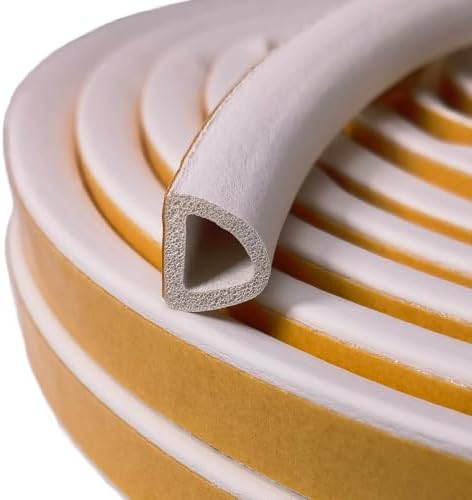
Unlike the kerf products, this VITAM AMO strip attaches with an adhesive backing. It is made from EPDM rubber and comes in an 18-foot length. The manufacturer lists a fit for gaps from 5/16 to 15/32 inch and describes the strip as suitable for inside or outside use on residential or commercial doors.
The adhesive format can be useful when your door frame has no groove for a press-in seal. Installation is simple in principle: clean and dry the surface, cut the strip to length, peel off the backing, and press it into place. The product also has a multi-hole design intended to soften closing pressure and help reduce sound passing through the sealed area.
Surface preparation matters with any adhesive strip. Dust, moisture, or a rough mounting area can make it harder for the backing to hold, so take time to clean and dry the frame. At 18 feet, the roll is shorter than the two 40-foot kerf options, and it will not replace a door-bottom sweep. It is best suited to the sides or top of a frame where the adhesive can sit on a suitable surface.
Pros:
- Adhesive backing works on suitable flat surfaces without a kerf groove.
- EPDM material is specified for indoor and outdoor use.
- Designed for gaps from 5/16 to 15/32 inch.
- Multi-hole profile is intended to reduce closing pressure and sound transfer.
Cons:
- Shorter roll than the 40-foot options.
- Adhesion depends on a clean, dry, compatible surface.
Verdict: Pick VITAM AMO if you need an adhesive seal for a flat frame and your measured gap fits its range; skip it if your door frame calls for a kerf insert.
4. Benory T-Shaped Silicone Seal: A Clear Strip with Two Adhesive Faces

Benory’s clear silicone seal uses a T-shaped design and two adhesive faces, which attach along the side and front of the door. The product is 1.38 inches wide and comes in a 20-foot roll. Its flexible silicone construction is intended to conform to a gap, while the clear finish can be less noticeable against some door colors than a white or dark strip.
For installation, clean and dry the mounting area, measure, cut, and press both adhesive surfaces firmly into place. The product description suggests briefly warming the adhesive backing with a hair dryer in cold weather to help improve adhesion. That can be useful during installation, but the surface still needs to be suitable and clean.
Unlike the other options in this list, Benory does not provide a specific gap range in the supplied product details. Measure your door carefully and check the product information before choosing it. The two-sided adhesive hold may appeal if you want a seal that attaches to more than one face, but it is not a replacement for a kerf seal or a door-bottom sweep.
Pros:
- Clear, flexible silicone can blend with different door colors.
- T-shaped profile has two adhesive faces for attachment.
- 20-foot roll can be cut to fit.
- Designed for use on front, back, and garage entry doors.
Cons:
- No specific gap range is listed in the supplied product details.
- Requires clean, dry surfaces for adhesive installation.
Verdict: Consider Benory when a clear silicone strip and two-face adhesive design suit your door, but confirm the fit before buying because a specific gap range is not provided here.
5. Litaibai Large-Gap Kerf Seal: For Grooved Frames with Wider Openings
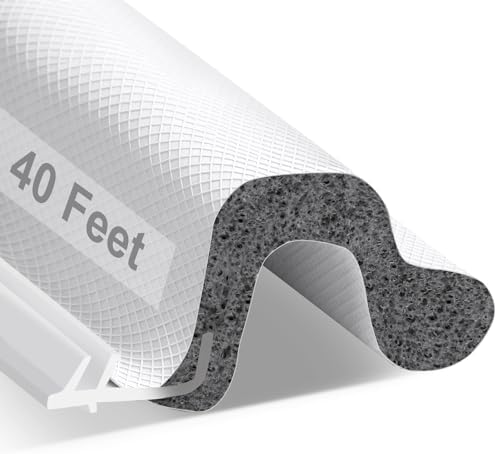
This Litaibai model is a press-in seal with an enlarged teardrop profile, made for gaps from 3/8 to 5/8 inch when the door is closed. It has a resilient foam core with a PE outer layer and comes in a 40-foot roll. Like the standard Litaibai option, it fits pre-cut kerf grooves in exterior door frames and is not self-adhesive.
The larger profile can help fill an opening that falls outside the standard model’s stated range. Installation involves measuring and cutting the strip, then pressing its flange into the groove. The product description recommends testing a short section first to make sure the door still closes and latches normally. That is a useful check with any thicker seal: too much compression can make a door harder to shut.
This is a focused option rather than a general-purpose strip. It will not fit a flat frame or seal the bottom edge of a door. If your frame has a kerf but the gap is smaller than 3/8 inch, compare it with the standard Litaibai seal or another correctly sized profile rather than choosing the larger one by default.
Pros:
- Designed for larger gaps from 3/8 to 5/8 inch.
- 40-foot roll can be cut to fit multiple sections.
- Press-in installation needs no adhesive.
- Flexible foam core is designed to compress and rebound.
Cons:
- Only fits frames with pre-cut kerf grooves.
- May be too large for narrower gaps and can affect latching if overcompressed.
Verdict: Choose this large-gap Litaibai seal when you have a compatible grooved frame and a measured gap within its stated range; otherwise, use a smaller or adhesive profile that matches your door.
How to Choose Weather Stripping for Doors
Check whether your frame has a kerf groove
A kerf is a narrow slot cut into the door frame. If your old seal has a small stem that presses into a groove, you likely need a compatible kerf replacement. Measure the slot as well as the door gap: these products list groove sizes around 1/8 inch, but their profiles and gap ranges differ. If the frame is flat and has no slot, look at adhesive weather stripping instead.
Measure the gap with the door closed
Close the door and measure the space between the door and frame at several points along the sides and top. Gaps can vary, especially on older doors. Match the measurements to the product’s stated range rather than choosing based on appearance alone. A seal that is too small may leave openings, while one that is too large can make the door hard to close or latch.
Choose a material and mounting method that suit the surface
Press-in kerf strips use a flange that fits into a groove and avoid adhesive on the frame. Adhesive seals are more flexible about where they can be installed, but they need a clean, dry surface that can hold the backing. The products here use PE-covered foam, PU foam, EPDM rubber, or silicone. Consider the surface and installation style first, then compare the fit details for each model.
Work out how much length you need
Measure the sections you plan to seal and add a little extra for trimming. The products in this guide range from 18 to 40 feet, but roll length alone does not determine fit. A shorter roll may be enough for one door, while a longer roll can be useful for multiple sections. Do not assume a frame seal will cover the bottom edge; door bottoms often need a separate sweep or threshold seal.
Think about the door’s movement and latch
Weather stripping must leave the door able to close and latch normally. This matters most with thicker profiles intended for larger gaps. Before installing the full length, fit a short piece or test one section and open and close the door. If the seal bunches, pulls loose, or makes the latch difficult to use, recheck the size and placement.
Prepare the frame before installation
For kerf seals, remove the old strip and clear debris from the groove before pressing in the replacement. For adhesive seals, clean and dry the mounting surface, then apply steady pressure along the strip. Measure twice and cut carefully so the ends meet without stretching or bunching. Follow the product instructions, especially if the surface or weather conditions could affect adhesion.
Frequently Asked Questions
How do I know whether my door needs kerf or adhesive weather stripping?
Look at the frame and the old seal. If there is a narrow groove that held a press-in stem, choose a kerf product with a matching groove size. If the mounting area is flat and has no slot, an adhesive strip may be a better match, provided the surface is clean and suitable for the backing.
Can I use a large-gap seal on any door?
No. A large-gap seal still needs the right mounting style and a gap within its stated range. The Bantie and large-gap Litaibai options both require a kerf groove, while the VITAM AMO adhesive strip is listed for gaps from 5/16 to 15/32 inch. Measure first and confirm the door closes normally with the selected profile.
Will weather stripping seal the bottom of my door?
The products covered here are intended for gaps around the door frame, not the bottom edge. If light or drafts are coming from beneath the door, look for a door sweep or threshold solution designed for that area.
Can weather stripping help reduce outside noise?
A well-fitted seal can help limit air and sound passing through gaps around a door. The product descriptions for these options mention noise reduction, but results depend on the size and location of the openings and the rest of the door assembly. Weather stripping will not block all outside noise.
Why is the door hard to close after I install a new seal?
The seal may be too thick for the gap, or it may not be seated evenly. Check that the product matches your measured opening and that the strip is not bunched or stretched. With a kerf seal, try a short section first and make sure the latch works before finishing the installation.
Can I use adhesive weather stripping outdoors?
Some products are specified for both indoor and outdoor use. VITAM AMO lists indoor and outdoor applications, while Benory is described for exterior doors and garage entry doors. Adhesion still depends on the mounting surface and proper preparation, so check the product instructions for your intended location.
Final Recommendation
For a typical grooved frame and a 1/4–1/2-inch gap, the Litaibai 40-foot kerf seal is a clear starting point. If your kerf frame has a larger gap, compare Bantie’s wider stated range with Litaibai’s large-gap profile and choose the one that matches your measurements. For a flat frame, consider an adhesive option such as VITAM AMO; Benory may suit you if you want a clear silicone strip, but confirm its fit before ordering. The best choice is the one that matches your frame, gap, and door movement—not simply the longest roll.
