
Choosing the best 18-inch-wide insulation depends on where you plan to use it. Ceramic fiber boards are made for high-heat equipment, reflective foam is intended for garage or attic spaces, and air-conditioner panels help insulate around a window unit. These options are not interchangeable, so match the material and temperature limits to your project before you buy.
| Product | Type | Size | Best suited for |
|---|---|---|---|
| SIMOND STORE Ceramic Fiber Insulation Board | Ceramic fiber board | 1 × 18 × 24 inches; one board | Small high-heat projects |
| SIMOND STORE 2-Pack Ceramic Fiber Board | Ceramic fiber board | 1 × 18 × 24 inches; two boards | Projects that need more board coverage |
| NASATEK Reflective Foam Core Insulation | Reflective foam core | 18 inches × 25 feet | Garage and attic rafters |
| Duck Brand Air Conditioner Foam Panels | Air-conditioner side panels | 18 × 9 × 7/8 inches each | Insulating around a window AC unit |
Table of Contents
Our Picks: Best 18 Inch Wide Insulation reviews
SIMOND STORE Ceramic Fiber Board: A Single High-Heat Panel

This one-board option is a ceramic fiber insulation panel measuring 1 inch thick, 18 inches wide, and 24 inches long. Its listed maximum use temperature is 2300°F, making it the most relevant choice here for a small high-temperature project rather than a typical room or wall insulation job.
The board is vacuum cast and has a stated density of 20–24 lb/ft³. The manufacturer lists compressive strength of 78 PSI at 25% deformation and a maximum permanent linear shrinkage of 3.5% after a specified heat soak. Those figures help describe the material, but they do not mean it can replace fire brick or serve as a load-bearing component.
You can cut, drill, or machine the panel, according to the product details. The board is also described as easy to dent, so handle and install it with care. Listed uses include stove and fireplace insulation, pizza ovens, kilns, forges, heat shields, and backup insulation behind refractory materials. Check that the board’s temperature rating and intended placement suit your equipment.
Pros:
- 2300°F maximum use temperature listed
- 18-inch width in a manageable single-board size
- Can be cut with a knife or hacksaw blade and can be drilled
- Suitable for a range of high-heat applications
Cons:
- Only one board is included
- Less sturdy than fire brick and can dent easily
Verdict: Choose this board when you need one 18-inch-wide ceramic fiber panel for a properly designed high-heat project and do not need the extra coverage of a two-pack.
SIMOND STORE 2-Pack: More Ceramic Board for Larger Jobs

This pack contains two ceramic fiber boards, each measuring 1 × 18 × 24 inches. The boards have the same listed maximum use temperature and density as the single-panel option: up to 2300°F and 20–24 lb/ft³. Having two panels on hand may suit a project that needs more coverage or calls for multiple pieces.
The product is described as low in thermal conductivity and heat storage, with resistance to thermal shock. Its listed strength and shrinkage figures are the same as those of the single board. As with the one-board version, the material is intended for insulation—not as a substitute for fire brick—and it can dent if handled roughly.
The panels can be cut, drilled, or machined, which gives you flexibility when fitting them to an appropriate stove, kiln, forge, or other listed application. Measure your installation before ordering: two boards provide more material than one, but the listing does not specify an installation method or the total coverage for a particular setup.
Pros:
- Two 18 × 24-inch boards per pack
- 2300°F maximum use temperature listed
- Can be cut, drilled, and machined
- Useful for projects that need more than one panel
Cons:
- Boards can dent and are not as strong as fire brick
- May be more material than a small repair requires
Verdict: Pick this pack over the single board if your high-heat project needs two panels or more coverage, while confirming the material is appropriate for the location and installation.
NASATEK Reflective Foam Core: An 18-Inch Roll for Rafters
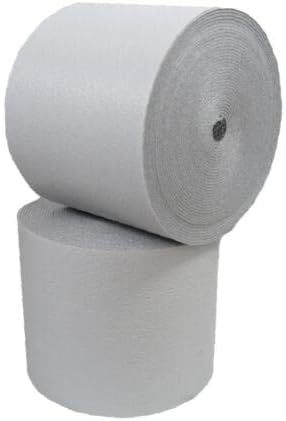
Unlike the ceramic panels, this product is a roll of reflective foam core insulation. It measures 18 inches wide by 25 feet long and is presented for garage and attic rafter use. The roll format may be more practical when you need a continuous length of material rather than a rigid board.
The product description says it is easy to install, needs no special tools or protective clothing, and requires no maintenance. It also states that the insulation can help reduce heating and cooling loss. No R-value, thickness, or detailed installation directions are provided in the supplied product information, so check the listing and your project requirements before relying on it for a specific level of insulation.
This is the clearest fit among these choices for a garage or attic project, but it is not a replacement for ceramic fiber board around a kiln, forge, or other high-heat equipment. Its long roll length is useful for coverage, while the lack of stated thermal-performance figures makes it important to compare specifications with your needs.
Pros:
- 18 inches wide and 25 feet long
- Roll format suits longer runs than a small rigid panel
- Described for garage and attic rafter use
- Product information says it requires no maintenance
Cons:
- No R-value or thickness is listed in the supplied details
- Not intended as a high-heat ceramic insulation board
Verdict: Consider this roll for an attic or garage application when its dimensions and available performance details match your project; do not choose it for high-heat equipment.
Duck Brand Air Conditioner Panels: Foam for Window Unit Gaps

These foam panels are made for the side gaps around a window air conditioner, not for insulating an attic or a high-heat appliance. Each panel measures 18 × 9 × 7/8 inches, and the package is described as fitting one window AC unit. The panels can insulate or replace existing side panels.
The set includes self-adhesive channels for installation. The product information also says the panels can reduce noise and vibration. Because window units vary, check the dimensions and fit of your own AC before buying; “fits most” does not guarantee a match for every model or window opening.
This is the most specialized option in the group. It is not a substitute for the wider ceramic boards or the 25-foot reflective roll. The supplied listing data marks this item as unavailable, so confirm that it can be purchased before planning your project around it.
Pros:
- Designed for gaps beside a window air conditioner
- Can replace existing side panels or insulate them
- Includes self-adhesive channels
- Product details state that it can reduce noise and vibration
Cons:
- Made for window AC units, not general insulation use
- Supplied listing information marks it unavailable
Verdict: This is a focused option for insulating around a compatible window AC, but confirm both fit and availability before choosing it.
How to Choose 18-Inch-Wide Insulation
Start with the job and heat exposure
First decide where the insulation will go. The ceramic fiber boards are listed for high-heat uses such as kilns, forges, stoves, and fireplaces, with a maximum use temperature of 2300°F. The reflective roll is described for garage and attic rafters, while the Duck panels are for window air-conditioner side gaps. Do not treat these materials as interchangeable just because they share an 18-inch dimension.
Check the actual size and coverage
“18 inches wide” does not tell you how much material you will receive. The ceramic boards measure 18 × 24 inches, with one or two boards per pack. The NASATEK product is 18 inches wide and 25 feet long. The Duck panels are 18 × 9 inches each and are intended to fit around one AC unit. Measure the space you need to cover and account for the shape of the installation.
Match the material to the installation
A rigid ceramic fiber board can be cut, drilled, or machined, but the product details warn that it can dent and is not as strong as fire brick. A roll may be easier to use for longer, continuous runs, while small foam panels are shaped for a particular window-unit application. Consider the material’s form and handling needs as well as its listed purpose.
Look for the performance details your project needs
For the ceramic boards, the supplied specifications include maximum use temperature, density, compressive strength, and shrinkage information. The reflective roll details do not provide an R-value or thickness, so check the product information for any performance requirements your project has. Do not assume that width alone indicates how well a material insulates.
Plan the fit and installation
Compare the product dimensions with your available space before ordering. For the Duck panels, check your window AC and opening because the listing says the panels fit most units, not every unit. For ceramic fiber board, confirm how the panel will be supported and used in your setup. Follow the product’s instructions and any relevant equipment guidance rather than guessing at installation details.
Choose the right quantity
The single ceramic board is suited to a smaller job or a project that needs one panel. The two-pack provides another board if you need more material. The NASATEK roll offers a longer length, while the AC panels are packaged for one window unit. Estimate your coverage before choosing a pack size to avoid ordering too little or buying more than your project needs.
Frequently Asked Questions
Is 18-inch-wide insulation suitable for every project?
No. These products serve different purposes. The ceramic boards are listed for high-heat applications, the reflective roll for garage or attic rafters, and the Duck panels for window AC side gaps. Choose based on the location, temperature, and material requirements of your project.
Which option is rated for the highest temperatures?
The two SIMOND STORE ceramic fiber board options list a maximum use temperature of 2300°F. The supplied product information does not give a comparable temperature rating for the NASATEK roll or Duck AC panels.
What is the difference between the one-board and two-board ceramic options?
Both options list boards measuring 1 × 18 × 24 inches and share the same stated material specifications. The single-board option includes one panel; the other includes two.
Can I use the NASATEK roll in a kiln or forge?
The supplied product details describe it for garage and attic rafters, not for kilns or forges. For high-heat equipment, consider material specifically listed for that purpose and verify that it suits your installation.
Does the NASATEK insulation have a listed R-value?
No R-value is provided in the supplied product information. Check the product listing for current specifications if you need to compare thermal performance.
Will the Duck panels fit my window air conditioner?
The product is described as fitting most window units and includes panels measuring 18 × 9 × 7/8 inches. Check your unit and window dimensions before buying, since fit can vary.
Final Recommendation
For high-heat projects, the SIMOND STORE ceramic fiber boards are the most directly specified options: choose the single panel for a smaller job or the two-pack when you need more board coverage. For garage or attic rafters, consider the NASATEK roll after checking its performance details against your needs. The Duck panels are a specialized choice for window AC gaps, subject to fit and availability. The best option is the one designed for your application—not simply the one that measures 18 inches wide.
