
A basement ventilation fan can help move stale air, odors, and excess humidity out of a room, but the right choice depends on your opening. A fan designed for a vertical sliding window will not necessarily fit a hopper or glass-block window, and airflow figures are not directly comparable when products provide different specifications. Below are five options, with the key fit details and trade-offs to check before you buy.
Table of Contents
Quick Comparison
| Product | Best suited for | Key details | Important fit note |
|---|---|---|---|
| PANO-MOUNTS Reversible Vertical Window Fan | Vertical sliding windows | Reversible airflow and adjustable speed | Window track height of 36.61–66.93 inches; thickness up to 6 mm |
| Advantage Vent 1608 Hopper Vent Fan | Glass-block windows and hopper-style openings | 210 CFM exhaust; electric or solar power options | Check the opening and mounting needs before ordering |
| MEOZRI Basement and Crawlspace Ventilation Fan | Basements, crawlspaces, and other vent openings | 420 CFM listed airflow; speed control; stainless steel shell | Measure the vent opening; listed dimensions are 13.8 × 11.8 × 2 inches |
| Slim Reversible Window Fan | Vertical sliding windows where a slim insert is preferred | Reversible airflow and stepless speed control | Confirm the frame shape and dimensions for your window |
| PANO-MOUNTS Six-Fan Vertical Window Fan | Taller vertical sliding windows | Six fans, two airflow modes, and adjustable speed | Window frame height of 36.61–66.93 inches; thickness up to 6 mm |
Our Picks: Best Basement Window Ventilation Fan reviews
1. PANO-MOUNTS Reversible Vertical Window Fan: Best for Sliding Windows
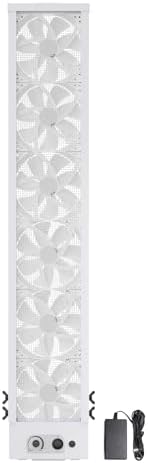
This PANO-MOUNTS model is an adjustable insert for a specific kind of opening: a vertical sliding window. Its expandable frame is designed for a track height between 36.61 and 66.93 inches, with a maximum track thickness of 6 mm. That narrow fit range is important. It is not listed for casement, awning, or horizontally sliding windows.
A switch changes the airflow between intake and exhaust. In exhaust mode, the fan is intended to push stale air, odors, and excess humidity outdoors. Intake mode draws outdoor air in instead. Variable speed control lets you adjust the airflow, though the supplied details do not give a CFM rating, so it is harder to compare its capacity with fans that do.
The tool-free installation may appeal if you want an insert that does not require drilling. The slim frame is designed to sit in the window track, but you should measure both the window height and track thickness before ordering. It is a straightforward option for a compatible basement window, but not a universal basement vent fan.
Pros:
- Switches between intake and exhaust modes.
- Variable speed control offers airflow adjustment.
- Tool-free installation does not require drilling.
- Provides a clearly stated fit range for vertical sliding windows.
Cons:
- Not designed for casement, horizontal-slider, or awning windows.
- No airflow capacity is provided in the supplied specifications.
Verdict: Choose this model if your basement has a compatible vertical sliding window and you want reversible airflow without a drilled installation.
2. Advantage Vent 1608 Hopper Vent Fan: Best for Glass-Block Openings

The Advantage Vent 1608 is aimed at glass-block windows and other openings in basements, sheds, cabins, tiny homes, and garages. Unlike the window inserts above, it is described as a hopper vent fan with a manually operated sash door. Opening the door turns the fans on, so the operating method is built around that vent-style opening rather than a tall sliding-window frame.
The listed exhaust capacity is 210 CFM. The fan is described as IP67-rated and made from UV-stabilized vinyl. It also has an electric or solar-powered option, which may be useful when choosing how to power a vent in a location where wiring or access is a concern. The supplied information does not detail the electrical setup or installation requirements, so check those specifics before purchase.
A mounting flange is included for flush installation into wood wall openings. That may make this a better match for a prepared vent opening than for someone seeking a removable, tool-free window insert. Confirm the dimensions and mounting method for your particular opening; the product information does not provide a complete sizing range.
Pros:
- Designed with glass-block windows and basement use in mind.
- Lists exhaust airflow of 210 CFM.
- Offers electric or solar power options.
- Includes a mounting flange for flush installation in wood openings.
Cons:
- The supplied details do not give a full opening-size range.
- The sash-door operation and mounting approach may not suit a standard sliding-window insert setup.
Verdict: Consider the 1608 if you have a compatible glass-block or vent-style opening and want a dedicated exhaust fan with a solar-power option.
3. MEOZRI Basement and Crawlspace Fan: Best Listed Airflow Capacity

The MEOZRI is a compact ventilation fan intended for basements, crawlspaces, garages, attics, and other humid spaces. Its listed airflow is 420 CFM, the largest stated capacity among the five options here. The 13.8-by-11.8-by-2-inch dimensions give you a starting point for checking whether it can fit your vent opening, but measuring the actual opening is still essential.
The fan has a speed control and is described as an exhaust fan for moving air out. Although the product title uses the phrase “reversible airflow,” the supplied specifications focus on exhausting air. If you need the fan to switch between intake and exhaust, confirm that function with the seller before buying rather than assuming it is available.
Its stainless steel shell and stated IP55 rating are presented as features for use in damp or dusty environments. That makes it a different kind of choice from the window inserts: it is better suited to someone matching a fan to a dedicated vent opening than someone looking for a removable frame that fits a tall sliding window. The listing also mentions exhausting radon gas, but a fan alone should not be treated as a complete radon-mitigation plan; follow qualified local guidance if radon is a concern.
Pros:
- Lists 420 CFM airflow and includes speed control.
- Compact stated dimensions can help with vent-opening planning.
- Stainless steel construction and a listed IP55 rating.
- Designed for basement, crawlspace, garage, and attic use.
Cons:
- Measure the vent carefully; it is not a height-adjustable window insert.
- The supplied specifications do not clearly explain how reversible airflow works.
Verdict: This is a strong option to investigate if you need a vent-mounted exhaust fan and its listed dimensions and airflow suit your space.
4. Slim Reversible Window Fan: Best for a Narrow Sliding-Window Insert

This slim window fan is made for vertical placement in a sliding window. Its retractable frame is described as tool-free, and its narrow profile is intended to take up less space in the window. That design may suit a basement where you want an insert rather than a fan fitted into a permanent vent opening.
The fan offers reversible intake and exhaust modes and stepless speed control. The product description also lists an aluminum-alloy body, a protective mesh screen, and a weatherproof design. It is promoted for use in basements and other rooms, but the supplied information does not give a window-height range or airflow figure. Those missing measurements make fit and capacity harder to assess than with some competing models.
Before choosing it, confirm that the frame works with your window’s dimensions and track. The listing describes vertical sliding-window use and placement on the left or right side of the frame, but does not specify a complete measurement range. If you need a known fit range or a published CFM figure, another option may be easier to compare.
Pros:
- Reversible airflow supports both intake and exhaust.
- Stepless speed control allows adjustment.
- Tool-free retractable frame is designed for sliding windows.
- Slim profile and protective mesh screen are useful design features.
Cons:
- No window-size range or airflow capacity is provided in the supplied details.
- Fit should be confirmed before buying because the listing does not give full measurements.
Verdict: Pick this model if a slim, reversible window insert is your priority and you can verify that its frame fits your particular opening.
5. PANO-MOUNTS Six-Fan Window Fan: Best for Adjustable Airflow in a Tall Window

This black PANO-MOUNTS insert is another option for vertical sliding windows, with a stated fit range of 36.61 to 66.93 inches in frame height and a maximum frame thickness of 6 mm. Its design includes six fans and a control knob for adjusting speed. As with the white PANO-MOUNTS model, measure your window before ordering; this is not presented as a universal fit.
A switch on the bottom panel changes the fan between exhaust and intake. That makes it useful when you want to push stuffy air out at one time and draw outdoor air in at another. The product information does not give a CFM figure, so the six-fan design alone should not be used to estimate how much air it moves compared with a rated exhaust fan.
The slim frame is intended to sit close to the window and avoid interfering with its operation. That can be useful for a basement room where the window remains part of the ventilation setup. The main comparison with the white PANO-MOUNTS model is its six-fan configuration and black finish; both share the same stated fit range and reversible operation.
Pros:
- Uses six fans and offers adjustable speed.
- Switches between intake and exhaust modes.
- Provides a clear height and frame-thickness range.
- Slim design is intended for vertical sliding windows.
Cons:
- Not suitable for windows outside the stated size and track limits.
- No CFM rating is included in the supplied specifications.
Verdict: Choose this version if your vertical window fits the stated range and you prefer its six-fan layout and adjustable, reversible airflow.
How to Choose a Basement Window Ventilation Fan
Match the fan to your window or vent opening
Start by identifying the opening type. The PANO-MOUNTS models and slim reversible fan are designed for vertical sliding windows, while the Advantage Vent 1608 is intended for glass-block and hopper-style openings. The MEOZRI is a vent-mounted fan with stated dimensions. A fan that cannot fit securely is not a good choice, even if its other features seem suitable.
Measure before you order
For a window insert, measure the opening height and the track thickness, then compare those numbers with the product’s fit range. The PANO-MOUNTS models specify a height range of 36.61–66.93 inches and a maximum track thickness of 6 mm. The slim reversible model does not provide a full range in the supplied information, so confirm its measurements before purchase. For a vent-mounted fan, measure the opening and compare it with the fan dimensions and mounting instructions.
Decide whether you need exhaust, intake, or both
Exhaust mode moves indoor air outside. Intake mode draws outdoor air in. Reversible models can do both, but not every fan has that feature clearly specified. The MEOZRI product title mentions reversible airflow, while its supplied specifications focus on exhaust. Confirm the operating modes if switching directions is important to you.
Compare airflow specifications carefully
Only some products here include a CFM figure: the Advantage Vent lists 210 CFM, and the MEOZRI lists 420 CFM. The other window fans do not provide airflow numbers in the supplied details. A stated CFM rating makes it easier to compare listed capacity, but it does not replace checking that the fan fits your opening and suits your ventilation needs.
Consider power and installation
Think about how the fan will be powered and mounted before you buy. The Advantage Vent offers electric or solar power options and includes a mounting flange for certain installations. The PANO-MOUNTS and slim window models describe tool-free installation in a window track. Check the product’s full instructions for power requirements, mounting details, and any additional equipment you may need.
Look at materials and moisture exposure
Basements can be damp, so construction details may matter. The MEOZRI listing describes a stainless steel shell and an IP55 rating, while the Advantage Vent is described as IP67-rated and made from UV-stabilized vinyl. These are product-stated features, not a substitute for checking the complete specifications or using the fan only in conditions allowed by its manufacturer.
Set realistic expectations for humidity and air quality
A ventilation fan moves air, but it does not automatically solve every cause of basement moisture, odor, or poor air quality. If dampness continues, look for the source and address it separately. If radon is a concern, do not rely on a general-purpose fan as a complete mitigation solution; seek qualified guidance for testing and appropriate remediation.
Frequently Asked Questions
Can I use any of these fans in a basement window?
No. Fit depends on the opening. The PANO-MOUNTS and slim models are intended for vertical sliding windows, while the Advantage Vent is aimed at glass-block and hopper-style openings. The MEOZRI is described as a vent-mounted fan. Check the product details and measure your opening first.
Which option has the highest listed airflow?
The MEOZRI lists 420 CFM. The Advantage Vent 1608 lists 210 CFM. The other three product descriptions do not provide a CFM figure, so their capacity cannot be compared from the supplied specifications alone.
Do these fans all reverse between intake and exhaust?
No. The PANO-MOUNTS window fans and the slim reversible window fan describe intake and exhaust modes. The Advantage Vent is described as an exhaust fan. The MEOZRI title mentions reversible airflow, but its supplied details focus on exhaust, so confirm its operation before buying if reversibility matters.
Will a vertical sliding-window fan fit a horizontal slider?
Not necessarily. The white PANO-MOUNTS model specifically says it is for vertical sliding windows and not for horizontal sliders, casement windows, or awning windows. Check the other models’ fit instructions rather than assuming the same frame works across window types.
What should I measure before buying a window insert?
Measure the window track height and thickness, then compare them with the listed fit range. The PANO-MOUNTS models specify a 36.61–66.93-inch height range and a maximum track thickness of 6 mm. For the slim model, request or verify its exact dimensions because a complete range is not provided here.
Can a basement ventilation fan solve a radon problem?
Do not assume that it can. Although the MEOZRI description mentions exhausting radon gas, the supplied information does not establish it as a complete radon-mitigation system. Use appropriate testing and consult qualified guidance for radon concerns.
Final Recommendation
For a compatible vertical sliding window, the PANO-MOUNTS reversible models provide the clearest fit information and let you switch between intake and exhaust. If your basement has a glass-block or hopper-style opening, the Advantage Vent 1608 is the more relevant design to investigate. For a dedicated vent opening and a stated airflow figure, consider the MEOZRI, while confirming its dimensions and airflow modes. Measure first, verify the mounting method, and choose the fan that matches your opening rather than relying on a broad “basement fan” label.
