A foul sewage smell in the bathroom can turn an otherwise clean room into a place you’d rather avoid. The cause might be as simple as water evaporating from an unused shower drain, or as serious as a damaged sewer pipe. The smell itself can offer clues: notice where it’s strongest, when it appears, and whether it changes after you run water or flush. Here are 10 common causes, how they create that rotten-egg or sewage odor, and what you can safely do next.
Table of Contents
How to narrow down a bathroom sewage smell
Before reaching for a drain cleaner, try to work out where the odor is coming from. Smells can travel through pipework, so the place where you notice them isn’t always the place where the problem started. Check whether the odor is strongest near the toilet, sink, shower, floor drain, or a plumbing access point. Then notice whether it gets worse after flushing, running water, heavy rain, or leaving the room unused.
A quick, safe first check is to run water into every sink, shower, bathtub, and floor drain in the bathroom for about 30 seconds. Flush the toilet, too. If the smell fades, an unused drain may have had a dry trap. If it persists, comes back quickly, or gets stronger when fixtures are used, another plumbing or ventilation problem may be involved.
| Where the smell is strongest | Possible cause to check | Helpful first step |
|---|---|---|
| Shower, tub, or floor drain | Dry trap, buildup, or a drain blockage | Run water, then clean the drain opening and strainer |
| Toilet base | Failed toilet seal or a loose toilet | Check for movement, dampness, or staining around the base |
| Sink or cabinet below it | Dirty overflow, trap, or leaking pipe connection | Clean the overflow and look for leaks under the sink |
| Several fixtures, or the whole room | Vent, sewer line, or septic system issue | Stop using affected fixtures and contact a plumber if it continues |
10 causes of foul sewage smells in the bathroom
1. A dry P-trap or floor-drain trap
A P-trap is the curved section of pipe beneath many sinks and other plumbing fixtures. It holds a small amount of water, creating a barrier between your bathroom and the sewer system. That water blocks sewer gases from coming back through the drain.
If a shower, bathtub, sink, or floor drain hasn’t been used for a while, the water in its trap can evaporate. The barrier disappears, leaving a path for sewer odor to enter the room. This is common in guest bathrooms, vacation homes, and drains tucked into a laundry or utility area.
What to do: Run water into the unused drain for 30 to 60 seconds. If the smell fades, add water to that fixture every few weeks. If the odor returns soon after, the trap could be leaking, or a plumbing vent problem could be pulling water out of it. A plumber can check those possibilities.
2. Buildup inside the sink, shower, or bathtub drain
Hair, soap, skin oils, toothpaste, and other residue collect on the inside of drain openings and pipes. Bacteria feed on this material and produce a stale, sour, or rotten odor. It can smell unpleasant without being a leak from the main sewer line.
Look for a smell that’s strongest right at one drain and gets worse when water moves through it. A slow drain is another clue: buildup can both trap odor-producing debris and restrict the flow of water.
What to do: Remove and clean the drain cover or stopper, then clear away visible hair and grime. Scrub reachable surfaces with a suitable brush and household detergent. For a sink, check whether the stopper or pop-up assembly is coated with residue. Don’t pour several drain chemicals into the pipe, and never mix products such as bleach and ammonia. If the drain stays slow or the odor persists, have the pipe checked rather than repeatedly pouring chemicals into it.
3. A dirty sink overflow channel
Many bathroom sinks have a small opening near the rim. That opening connects to an overflow channel inside the sink, giving excess water somewhere to go if the basin fills. Water, toothpaste, soap, and grime can sit in the channel, where they’re hard to see and easy to forget when cleaning.
Because the overflow connects to the drain, residue inside it can create a musty or sewage-like smell near the sink. This is especially likely if the odor gets stronger when you lean over the basin but the drain itself looks clean.
What to do: Clean the overflow opening and the reachable channel with a bottle brush or another tool that can fit safely inside it. Rinse it with warm water and an appropriate household cleaner. Avoid forcing tools deep into the plumbing or pouring a strong chemical cleaner into the overflow. If the smell remains, a plumber can inspect the sink assembly and trap.
4. A clogged or partly blocked drain line
A blockage can trap waste, hair, soap, or other material in the pipe. As it sits, bacteria break down the debris and release unpleasant gases. A partial blockage may also slow water flow, causing dirty water and odor to linger instead of draining away normally.
Watch for more than one warning sign: repeated slow draining, gurgling, water rising in a nearby fixture, or an odor that gets stronger after flushing or using the shower. If several drains act up at once, the blockage may be farther along the shared drain or sewer line rather than in one fixture.
What to do: Clear a simple hair blockage at the drain opening if you can reach it without damaging the fixture. Stop if water backs up, multiple drains are affected, or the problem returns after clearing. A plumber can identify the blockage and remove it with the right equipment. Avoid treating repeated symptoms as a reason to keep using chemical drain openers; they may not clear a deep obstruction and can create hazards for whoever works on the pipe.
5. A damaged, loose, or poorly fitted toilet seal
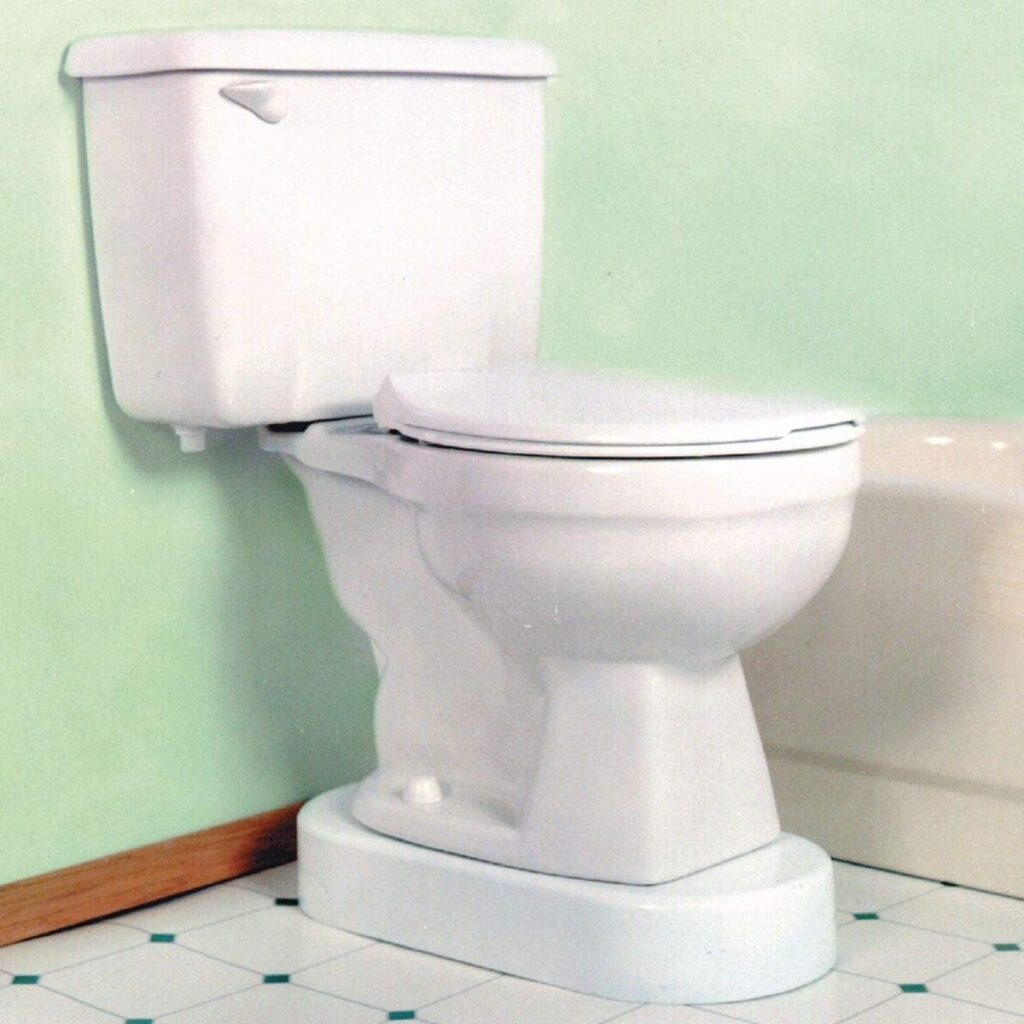
The toilet connects to the drain through a seal at its base, commonly a wax ring or a modern gasket. That seal is meant to keep wastewater and sewer gases inside the drain system. If it is damaged, incorrectly installed, or no longer sealing properly, odor can escape around the toilet’s base.
A toilet that rocks when you sit on it can put pressure on the seal and loosen it. Other clues include damp flooring, discoloration, or water appearing around the base after a flush. But a failed seal doesn’t always leave obvious water behind; sewer gas can leak even when the floor looks dry.
What to do: Check gently for movement and look for dampness or staining around the base. Don’t simply caulk over the bottom of a toilet to hide the smell. Caulk won’t repair a failed seal, and sealing around the base can make a leak harder to spot. A plumber may need to lift the toilet, inspect the flange, and fit a new seal.
6. A loose toilet, damaged flange, or cracked toilet
The toilet seal depends on the toilet sitting securely and aligning with the drain opening. A damaged mounting flange, loose bolts, uneven flooring, or a crack in the toilet can interfere with that connection. A small crack may also let water seep out, while a loose toilet can repeatedly disturb the seal.
Pay attention to a toilet that shifts, makes a clicking sound, develops a new leak, or smells worse after flushing. A cracked toilet may be difficult to spot, so don’t assume that a clean-looking floor rules out a problem.
What to do: Avoid rocking or tightening the toilet yourself if you’re unsure how it is mounted; overtightening bolts can crack porcelain. If the toilet moves or you see water near its base, stop using it if practical and arrange an inspection. A plumber can check the fixture, flange, and seal together, which matters because replacing only one part may not fix the underlying problem.
7. A blocked, disconnected, or faulty plumbing vent
Drain pipes need air as well as a route for wastewater. Plumbing vents, often connected to pipes that extend through the roof, help balance pressure in the drain system. When a vent is blocked or damaged, water may drain poorly and pressure changes can disturb the water held in traps.
That can let sewer gases pass through a fixture drain, even if the trap looked fine at first. Common clues include gurgling from a toilet or sink, slow drainage in several fixtures, and an odor that appears after flushing. A bird’s nest, leaves, or other debris may block a roof vent, but checking it from a roof is risky and not a safe do-it-yourself job for most people.
What to do: Note which fixtures gurgle or drain slowly and tell the plumber. Don’t climb onto a roof to inspect a vent unless you’re trained and equipped to do so. A licensed plumber can check the vent and drain system and determine whether a blockage, loose connection, or damaged pipe is affecting airflow.
8. A leaking, cracked, or disconnected drain pipe
A drainpipe can develop a crack, come loose at a joint, or separate from another pipe. Sewer gas may escape through the gap, and wastewater may leak into a wall, floor, or cabinet. In a finished bathroom, the pipe itself may not be visible, so the first clue can be a persistent odor rather than a puddle.
Look for damp patches, bubbling paint, swollen flooring, stains on a ceiling below the bathroom, or a smell that seems to come from a wall or cabinet. A leak hidden behind a surface can cause damage over time, so a strong, persistent odor deserves attention even if you can’t find the source.
What to do: Check visible pipe connections beneath the sink and around accessible plumbing for drips, loose fittings, or staining. Don’t open a wall or floor without a plan to locate the leak. If you suspect a hidden pipe, contact a plumber; they can test the system and inspect the affected area before repairs become more extensive.
9. A dirty or faulty sewage ejector pump
Bathrooms below the level of the main sewer line may use a sewage ejector pump to move wastewater upward and out of the home. The pump sits in a sealed basin. If the lid, gasket, pipe connections, or venting are faulty, odor can escape into the bathroom. A pump that isn’t working properly may also allow waste to collect in the basin.
Clues include a smell near a covered pump pit, a pump that runs unusually often or not at all, or wastewater backing up in a basement bathroom. Don’t open the basin just to investigate. It may contain sewage and sewer gases, and pump equipment can involve electrical hazards.
What to do: Keep the basin cover closed and check from the outside for visible damage or water around it. If the pump alarm sounds, the pump stops working, or waste backs up, stop using the fixtures that drain into it and call a plumber or pump service professional. A qualified technician can check the pump, its float, seals, discharge line, and venting.
10. A septic system or main sewer-line problem
Sometimes the bathroom isn’t the source of the smell at all. A blocked or damaged main sewer line can affect multiple fixtures, while a septic system that is full, malfunctioning, or unable to drain properly may cause sewage odors inside or outside the home. Tree roots, pipe damage, and heavy buildup are among the issues a professional may need to investigate.
Look for a cluster of symptoms: several drains running slowly, gurgling toilets, wastewater backing up in a tub or floor drain, or sewage odors in more than one room. If you use a septic system, wet or unusually smelly ground near the drain field can be another reason to call for an inspection. These signs don’t prove a particular failure, but they suggest the problem may extend beyond one bathroom fixture.
What to do: Reduce water use if several fixtures are affected, especially if wastewater is backing up. Keep people and pets away from sewage and avoid contact with contaminated water. Contact a licensed plumber or septic service professional to diagnose the system. Don’t pour chemicals into drains in an attempt to fix a main-line or septic problem.
When a sewage smell needs urgent attention
A brief odor from one dry drain may be easy to solve. A strong smell that doesn’t clear, wastewater backing up, or signs of a hidden leak need a faster response. Sewer gases can contain compounds that smell unpleasant, and high concentrations in a confined space can be hazardous. You shouldn’t try to identify a gas by smell alone or assume that getting used to the odor means the problem has gone away.
- Leave the area and get help if the smell is intense, you feel unwell, or you suspect a significant gas leak. If you experience symptoms such as dizziness or nausea, move to fresh air and seek appropriate medical or emergency advice.
- Call a plumber promptly if more than one fixture is affected, the toilet is moving, sewage is backing up, or you find water damage near plumbing.
- Avoid open flames around a suspected sewer-gas leak, and don’t use chemical drain products as a substitute for diagnosis.
What not to do when your bathroom smells like sewage
It’s tempting to pour bleach or a powerful drain opener into every drain and hope for the best. That can be a poor match for the problem: it won’t repair a failed toilet seal, refill a dry trap for long, or fix a broken vent or pipe. Strong chemicals can also damage some plumbing materials, create dangerous fumes when mixed, and make a plumber’s work more hazardous.
Instead, start with low-risk checks: run water into unused drains, clean visible residue around drain openings, and look for leaks or toilet movement. If the smell returns or you find signs of a deeper issue, note the pattern and call a professional. Details such as “it starts after flushing” or “it’s strongest beneath the sink” can help narrow down the cause.
Frequently Asked Questions
Why does my bathroom smell like sewage only sometimes?
An intermittent odor may come from a trap losing water, pressure changes in the drain system, or a venting issue. Note whether it happens after flushing, using the shower, or leaving the bathroom unused. That pattern can help a plumber trace the source.
Can a clean bathroom still have a sewer smell?
Yes. Cleaning surfaces won’t fix sewer gas escaping through a dry trap, faulty toilet seal, damaged pipe, or plumbing vent. A persistent odor may come from hidden plumbing even when the bathroom looks spotless.
Will pouring water down a smelly drain fix it?
It can help if the trap has dried out, because the water restores the barrier that blocks sewer gas. If the odor comes back quickly, or the drain is slow or gurgling, the cause may need further investigation.
Should I use bleach to get rid of a sewage smell?
Bleach may disinfect some reachable surfaces, but it won’t repair a plumbing fault or reliably remove buildup deep in a pipe. Never mix bleach with ammonia or other cleaners. Try cleaning visible residue safely, and have persistent odors checked.
Conclusion
The cause of a foul sewage smell in the bathroom often comes down to a dry trap, drain buildup, a toilet seal, or a problem with the plumbing vent or sewer line. Start by locating where and when the odor appears, then try simple checks such as running water into unused drains and looking for visible leaks. If the smell persists, affects several fixtures, or comes with a backup or water damage, get professional help rather than masking it with chemicals.