
The best coating for pressure treated wood depends on whether you want to keep the wood’s natural look, add a transparent tint, or choose a specific wood tone. The options below are Penofin stains made for pressure-treated lumber, with Tahoe and Rainer described as one-coat formulas. Compare the listed finish and product details, then check the container label to confirm that the stain suits your wood and project.
Table of Contents
Quick Comparison
| Product | Finish or tone | Notable details | Availability in supplied data |
|---|---|---|---|
| Penofin F3PTTGA Tahoe Pressure-Treated Wood Stain | Tahoe tone | One-coat formula; described for ACQ wood and CCA wood | Available |
| Penofin F3PTYGA Yosemite Transparent Oil-Based Stain | Transparent Yosemite tone | Oil-based; listed for pressure-treated wood | Marked unavailable |
| Penofin F3PTRGA Rainer Pressure-Treated Wood Stain | Rainer tone | One-coat formula; described for ACQ wood and CCA wood | Available |
Our Picks: Best Coating For Pressure Treated Wood reviews
Penofin Tahoe: A One-Coat Stain in a Natural Wood Tone
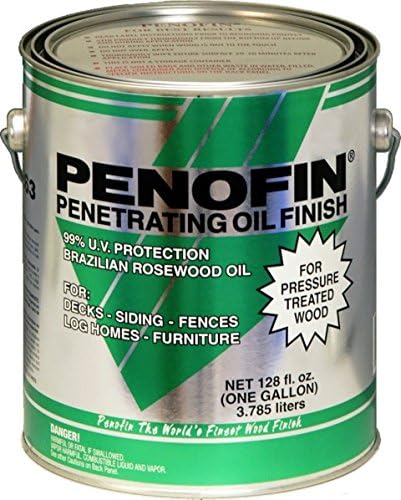
Penofin Tahoe is a pressure-treated wood stain in a natural wood tone. Its product description says it is made to bring out the wood’s natural beauty, rather than cover it with an opaque finish. That makes it a candidate for decks, fences, or other projects where you want the grain to remain part of the look.
The listed formula is designed as a one-coat product. The description also says it is intended for ACQ wood and meets EPA guidelines to lock in carcinogens in CCA wood. Those are product claims, so check the label and follow its directions for your particular lumber and project.
Tahoe is a practical choice if you want a named wood tone and prefer the stated one-coat approach. Its main limitation is that the supplied information does not specify color samples, coverage, drying time, or how the finish will look on different lumber. Pressure-treated boards can vary in appearance, so a small test area can help you decide whether the tone suits your project.
Pros:
- Formulated specifically for pressure-treated wood
- Listed as a one-coat formula
- Described as suitable for ACQ wood
- Tahoe tone offers an alternative to the Rainer and Yosemite options
Cons:
- The supplied details do not state coverage or drying time
- The final color may depend on the appearance of your lumber
Verdict: Choose Tahoe if you want a pressure-treated wood stain with a named natural tone and a one-coat formula, and verify the color on your lumber before treating the full project.
Penofin Yosemite: A Transparent Oil-Based Option

Penofin Yosemite is listed as a transparent, oil-based stain for pressure-treated wood. Its transparent finish may suit a project where you want a stained appearance without hiding the wood’s natural character. The supplied product details identify the Yosemite tone, but do not provide further application or performance specifications.
Compared with Tahoe and Rainer, the clearest distinction here is the stated oil-based formula and transparent finish. The other two product descriptions specifically mention a one-coat formula and performance on ACQ wood. The Yosemite listing does not include those details, so do not assume they apply to this version.
The supplied availability information marks Yosemite unavailable. That can change, so check the listing before planning a project around it. If it is not available, Tahoe and Rainer are the listed alternatives, though their tones differ. The information provided does not include user-experience details, coverage, or drying time for Yosemite.
Pros:
- Identified as a transparent stain for pressure-treated wood
- Oil-based formula is clearly stated in the product title
- Yosemite provides another tone option within the Penofin lineup
Cons:
- Marked unavailable in the supplied product information
- Product details do not specify coat count, coverage, or wood compatibility beyond pressure-treated wood
Verdict: Consider Yosemite if you specifically want its transparent, oil-based finish, but confirm availability and check the label for application details before choosing it.
Penofin Rainer: A One-Coat Choice in a Different Tone

Penofin Rainer is another stain formulated for pressure-treated wood. Its product description says it is designed to bring out the natural beauty of the lumber and comes in a natural wood tone. Like Tahoe, it is described as a one-coat formula and is listed for use on ACQ wood.
The description also says the formula meets EPA guidelines to lock in carcinogens in CCA wood. If you are working with older lumber or are unsure what treatment it received, read the product label and follow its safety directions rather than relying on the product name alone.
Rainer is a sensible alternative to Tahoe when the listed tone better suits your project. The supplied details do not explain the exact color difference between them, and they do not state coverage or drying time. Compare the product packaging and test the stain on a discreet spot if the finished shade matters to you.
Pros:
- Formulated for pressure-treated wood
- Described as a one-coat formula
- Listed for ACQ wood, with an additional CCA-related claim in the description
- Provides a tone option distinct from Tahoe
Cons:
- The supplied details do not explain the exact difference between the Rainer and Tahoe tones
- Coverage and drying time are not stated in the product information
Verdict: Pick Rainer if its tone is the better fit for your project and you want the listed one-coat formula for pressure-treated wood.
How to Choose a Coating for Pressure Treated Wood
Decide how much of the wood you want to see
These options are stains, not opaque paints. The Yosemite listing specifically describes a transparent finish, while the Tahoe and Rainer descriptions say they are designed to bring out the natural beauty of the wood. If you want the grain and texture to remain visible, a stain may suit your project better than a coating intended to hide them. Check the product label and packaging to understand the finish you will get.
Choose a tone that works with your lumber
Tahoe, Yosemite, and Rainer are different named options, but the supplied details do not provide color swatches or a precise comparison among them. The existing color and condition of pressure-treated boards can affect the finished look. If you need a close color match, use a test area and let it dry as directed before coating the full surface.
Match the product to the wood treatment
The Tahoe and Rainer descriptions mention ACQ wood and make a claim about CCA wood. Yosemite is identified as a stain for pressure-treated wood, but its supplied description does not name those treatment types. Check the label for compatibility with your lumber, especially if you do not know how it was treated.
Read the directions before planning the job
Tahoe and Rainer are described as one-coat formulas, but the supplied details do not state coverage, drying time, or all application requirements. Do not estimate how much product you need based on the coat count alone. Follow the container directions for surface preparation, application conditions, and any required drying time.
Consider availability and product details
The supplied information marks Tahoe and Rainer available and Yosemite unavailable. Availability can change, so verify the listing before relying on a specific option. Since the details are not equally complete across all three products, compare the current product label and listing information before you buy.
FAQs
What is the best coating for pressure treated wood?
There is no single best choice for every project. Tahoe and Rainer are described as one-coat stains for pressure-treated wood, while Yosemite is listed as a transparent oil-based stain. Choose based on the tone and finish you want, then confirm the product is suitable for your lumber.
Are these products stains or paints?
All three are listed as wood stains. The supplied information describes them as options intended to bring out or retain the natural appearance of pressure-treated wood, rather than as opaque paints.
Which product is described as oil-based?
Yosemite is identified as an oil-based stain in its product title. The supplied details do not state whether Tahoe or Rainer use the same formula, so check their labels for that information.
Are Tahoe and Rainer one-coat stains?
Yes. Their supplied descriptions call them one-coat formulas. Follow the product label, since the information provided does not explain how surface condition or application affects the finished result.
Can I use these stains on CCA-treated wood?
The Tahoe and Rainer descriptions say they meet EPA guidelines to lock in carcinogens in CCA wood. Read the product label and follow its safety directions to confirm suitability for your specific project. The supplied Yosemite description does not include the same CCA statement.
How do I choose between Tahoe and Rainer?
Both are described as one-coat stains for pressure-treated wood, but they have different named tones. The supplied details do not give an exact side-by-side color comparison. Check the packaging and test a small area if the shade is important.
Is Yosemite currently available?
The supplied product information marks Yosemite unavailable. Listing availability can change, so check the product page before making plans around it.
Final Recommendation
For a straightforward choice, compare Tahoe and Rainer first: both are described as one-coat pressure-treated wood stains, and both include details about ACQ wood. Choose between them based on the tone that best suits your lumber. Yosemite is worth considering if you specifically want a transparent oil-based option, but the supplied information marks it unavailable and provides fewer application details. In every case, verify compatibility and follow the directions on the product label.
