
Small gaps, dark seams, nail holes, and chipped edges can make a hardwood floor look worn. The right filler depends on the repair: a flexible product may suit narrow floor seams, while a sandable filler can be a better fit for installation touch-ups. Color matters, too, and no filler can make every wood grain or finish disappear completely.
Below are five options for different repair needs, from a flexible filler for hard-surface floors to a fast-setting putty for localized wood damage. Check each product’s intended use and color before applying it, and test the shade in an inconspicuous spot when possible.
Table of Contents
Quick Comparison
| Product | Best for | Key features | Color |
|---|---|---|---|
| LOBA Gap Filler | Flexible floor seams | Sandable, recoatable, mixable colors | Walnut |
| VICBTZT Wood Floor Gap Filler | Narrow gaps and floor edges | Shrink-resistant formula; applicators and scrapers included | Oak |
| Rust-Oleum Parks Pro Finish Floor Filler | Installation touch-ups | Water-based, sandable after drying | Red oak and white oak |
| Starbond Light Oak Wood Filler Epoxy Putty | Localized wood repairs | Two-part putty; fast-setting and shapeable | Light oak |
| Red Devil Flooring Repair Filler | Chips and seams across flooring types | Water cleanup; described as fast-drying | Medium wood |
Our Picks: Best Filler For Hardwood Floors reviews
1. LOBA Gap Filler: A Flexible Option for Floor Seams
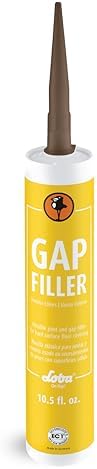
LOBA’s 310 ml filler is made for hard-surface flooring, including wood, cork, tile, and resilient floors. Its flexible formula makes it a practical choice for narrow floor gaps where a rigid wood putty may not be the most suitable approach.
The filler is sandable and can be recoated with finish, oil, and care products. Its walnut color is one starting point, and the product can be mixed with other colors in the range to create a custom match. That flexibility is useful when a standard shade is close but not quite right.
The main limitation is color: walnut may not suit pale or red-toned floors without color mixing. It is also intended for floor coverings, so it is not the obvious pick for rebuilding a broken wood corner or filling a deep, structural void.
Pros:
- Flexible formula for hard-surface floor repairs
- Suitable for wood, cork, tile, and resilient flooring
- Sandable and recoatable with several floor-care products
- Colors can be mixed for a custom match
Cons:
- The supplied shade is walnut, which may not blend with lighter floors
- Not presented as a product for rebuilding substantial wood damage
Verdict: Choose LOBA if you want a flexible, recoatable filler for a floor seam and its color can work with your flooring.
2. VICBTZT Wood Floor Gap Filler: A Kit for Narrow Gaps and Edges

This oak-colored filler is designed for narrow gaps, dark seams, and exposed edges on hardwood, laminate, vinyl, and luxury vinyl plank floors. The product description highlights locations such as baseboards, door jambs, transitions, wall edges, and pipe cutouts, making it a broad option for small floor touch-ups.
The formula is described as shrink-resistant and sink-resistant, with a firm finish intended to level flatter than loose putty. The kit includes gloves, applicators, scrapers, and tape for edge protection. A caulking gun is required, however, and is not included, so factor that into your setup.
Its oak shade may be useful for many oak floors, but wood colors and finishes vary. This product is aimed at narrow seams and small gaps, not replacing a damaged plank or repairing a large area of missing wood. The description says it can be painted or recoated after drying if needed, but does not specify a drying time.
Pros:
- Designed for several flooring types, including hardwood and LVP
- Targets narrow gaps, edges, and seams
- Includes applicators, scrapers, gloves, and tape
- Described as shrink-resistant and sink-resistant
Cons:
- Caulking gun is required but not included
- Oak color may not match every floor shade or finish
Verdict: This is a good fit if you have several small floor-edge gaps and want a kit with application tools, provided you have a caulking gun.
3. Rust-Oleum Parks Pro Finish: Sandable Filler for Oak Floors

Rust-Oleum Parks Pro Finish is a water-based floor filler intended for gaps, cracks, and nail holes. It is pre-shaded for red oak and white oak flooring, so it is especially worth considering when you want a filler made with oak floors in mind.
The product information lists a 15-minute drying time and says it is ready to sand in 30 to 60 minutes. Those stated times can help when planning a repair, though conditions and the amount applied may affect the actual work process. The water-based formula is also described as non-flammable.
Unlike the flexible LOBA filler, this option emphasizes filling and sanding rather than flexibility. It may be a better match for installation touch-ups such as nail holes, but the color is limited to the listed oak shades. Check the product instructions and test a small area before finishing a visible repair.
Pros:
- Made for gaps, cracks, and nail holes in hardwood floors
- Pre-shaded for red oak and white oak
- Water-based and described as non-flammable
- Product information gives drying and sanding time estimates
Cons:
- Oak-focused colors may not suit other wood species
- Less suited to shoppers seeking a specifically flexible filler
Verdict: Pick this filler for oak-floor installation touch-ups when its sandable, water-based formula and stated color options fit your project.
4. Starbond Light Oak Epoxy Putty: For Localized Wood Damage

Starbond is a two-part epoxy putty in a light oak shade, supplied in a 2-ounce size. It is intended for filling and patching wood damage such as knot holes, chipped edges, and damaged corners. That makes it different from fillers designed mainly to run along floor seams.
To use it, cut off the amount needed and knead it until the color is uniform, then press it into the repair. The product information gives a short working window of three to six minutes, with sanding and painting listed as possible after 20 to 30 minutes. Work in small amounts and have the repair area ready before mixing.
The putty is described as low-VOC and as resisting moisture, heat, and common household solvents once cured. It is also specifically described as a patching material, not a way to bond two separate pieces of wood together. Its firm repair style may not be the best choice for a long, moving floor gap; consider a flexible floor filler for that job.
Pros:
- Designed for localized holes, chips, and damaged wood edges
- Light oak color for pale-toned wood repairs
- No mixing cups or measured ratios are needed
- Product information gives working and sanding time estimates
Cons:
- Short working time leaves little room for slow application
- Not intended to bond separate wood pieces or serve as a flexible seam filler
Verdict: Choose Starbond for a small, localized repair in light-toned wood, but look elsewhere for a long floor seam or a repair that needs flexibility.
5. Red Devil Flooring Repair Filler: A Multi-Surface Option for Chips and Seams

Red Devil’s 5-ounce flooring repair filler is intended for chips and seams in several flooring types, including wood, laminate, and luxury vinyl tile. The product description also mentions molding and trim repairs, so it may be useful when one small container needs to cover more than one kind of household touch-up.
The medium-wood color is described as matching various wood finishes, but a broad color label is not a guarantee of a close match. The filler is described as drying hard and fast, resisting shrinkage and cracking, and cleaning up with soap and water.
The supplied product data lists this item as unavailable. Check its current listing before planning a repair around it. If you need a filler right away, the other options here include products listed as available in the provided product information.
Pros:
- Designed for chips and seams in wood and several other flooring types
- Can also be used for molding and trim repairs
- Medium-wood shade is intended to suit various wood finishes
- Described as offering soap-and-water cleanup
Cons:
- Listed as unavailable in the supplied product information
- Medium wood may not blend with every floor color
Verdict: Consider Red Devil if it becomes available and its medium-wood shade suits your repair; otherwise, choose an available option that better matches your floor and gap type.
How to Choose a Filler for Hardwood Floors
Match the filler to the repair
Start by identifying what you need to fill. A narrow seam or gap along an edge calls for a product intended for floor gaps. A nail hole, chip, or damaged corner is a different kind of repair and may suit a sandable floor filler or a wood-repair putty. For a missing or badly damaged plank, filler alone may not be a lasting or attractive fix.
Consider whether the repair needs flexibility
Floor joints can be different from stationary holes in trim or furniture. If flexibility is important for your particular seam, look for a product explicitly described as flexible, such as LOBA Gap Filler. A hard-setting putty may be more appropriate for a small localized patch, but it is not automatically the right material for a long gap.
Check color and finish compatibility
Choose a shade intended for your floor’s tone, but remember that “oak” or “walnut” covers many variations in color and finish. A sandable or recoatable filler may offer more options for finishing the repair. When possible, test a small amount somewhere inconspicuous and let it dry before judging the color.
Think about sanding and recoating
If your repair will be sanded or covered with floor finish, confirm that the filler supports those steps. LOBA is described as sandable and recoatable with finish, oil, and care products. Rust-Oleum Parks Pro Finish is described as ready to sand after its stated drying period. Follow the product’s directions rather than assuming every filler accepts the same finish.
Plan for application tools and working time
Some products need extra tools. VICBTZT’s kit includes applicators and scrapers, but requires a caulking gun that is not included. Starbond’s putty has a short stated working window after kneading, so prepare the surface and tools before mixing. Check package directions for surface preparation, application, and cleanup.
Use the right amount and set realistic expectations
These products are aimed at small repairs, gaps, and touch-ups; they are not substitutes for repairing a loose floor or replacing a badly damaged board. Filling a large or moving gap may not produce a neat, lasting result. If the floor continues to shift or the gap is substantial, address the underlying issue before choosing a filler.
Frequently Asked Questions
What is the best filler for hardwood floor gaps?
It depends on the gap and the floor. For a narrow seam where flexibility is useful, consider a product specifically described as flexible, such as LOBA. For small edge gaps and floor transitions, VICBTZT is designed for those locations. Check the product instructions and shade before applying.
Can I use wood putty on a hardwood floor?
Some wood putties are made for localized repairs such as chips, holes, and damaged edges. They may not be suitable for a long floor seam that needs flexibility. Check the product’s stated use, and avoid treating a patching putty as a way to bond separate boards together.
Should I use flexible or hard filler?
Choose based on the repair. A flexible filler is worth considering for a floor seam where some movement may matter. A harder, shapeable putty may suit a small chip or hole in wood. The product label should confirm that the filler is intended for your surface and repair type.
Can floor filler be sanded and refinished?
Some can, but compatibility varies. LOBA is described as sandable and recoatable with finish, oil, and care products. Rust-Oleum Parks Pro Finish is described as sandable after drying. Check the instructions for any filler you use before sanding or applying a finish.
How do I choose a filler color?
Match the filler as closely as possible to the floor’s overall tone and finish. Product color names are only a guide, since wood grain and flooring shades vary. If the product allows color mixing or recoating, that may give you more options. Test the result in an inconspicuous area when possible.
Can filler fix a large gap or a damaged floorboard?
These products are described for smaller repairs such as seams, nail holes, chips, and narrow gaps. A large gap, loose board, or extensively damaged plank may need a different repair. Filling the visible opening alone may not address the cause of the damage or movement.
Final Recommendation
For a flexible filler suited to hard-surface floor seams, LOBA is the most direct fit in this group. VICBTZT is worth considering for narrow floor-edge gaps if you have a caulking gun, while Rust-Oleum Parks Pro Finish is a practical option for oak-floor installation touch-ups. For chips and localized wood damage, Starbond’s putty is the more targeted choice. Confirm the color, repair type, and product directions before you buy, especially if the repair will be in a highly visible area.
