
A sliding glass door that sticks or squeaks may need more than lubricant: grit in the track or worn rollers can also make it hard to move. Clean the track first, then use a small amount of lubricant that suits the door’s materials. Silicone grease is a practical starting point for many sliding-door parts, while thicker white lithium grease is better suited to applications where a heavier grease is appropriate. Here are five options, compared by formula, application style, and the details provided for each.
| Product | Type | Standout detail | Best suited for |
|---|---|---|---|
| KEZE Silicone Grease with PTFE | Silicone grease with PTFE | Tube; listed temperature range of -40°F to 428°F | Plastic, rubber, and metal parts |
| Keze White Lithium Grease | White lithium grease | Includes an application brush | Metal parts and other general-purpose uses |
| IMPRESA Silicone Dielectric Grease | Silicone grease | 8-ounce jar with built-in brush | Targeted application on moving parts |
| Conelist White Lithium Grease | White lithium grease | Four compact squeeze tubes | Small, targeted applications |
| GREASECO White Lithium Squeeze Tube | Light-duty white lithium grease | Tube for general-purpose use | Hinges, doors, and other household parts |
Table of Contents
Our Picks: Best Grease For Sliding Glass Door reviews
KEZE Silicone Grease with PTFE: Best all-around formula for mixed materials

KEZE’s silicone grease is the most directly relevant pick for a sliding glass door. Its listed uses include sliding doors and window tracks, and the formula is intended for plastic-to-plastic, plastic-to-metal, and rubber-to-metal contact. That mix of material compatibility can be useful when you are not sure whether the noisy part is a roller, seal, or another moving component.
The translucent-white grease comes in a tube, which should make it easier to apply a small amount than to scoop from a large container. The product description also lists a temperature range of -40°F to 428°F and says the grease contains PTFE. These details may appeal if you want one lubricant for door maintenance as well as other household or equipment applications.
Use it sparingly and on the parts your door manufacturer says may be lubricated. Grease is not a substitute for removing grit from a track, and excess lubricant can collect dust. The food-safe rating is a product specification, but it is not a reason to apply the grease to surfaces that contact food or drinking water.
Pros:
- Listed for sliding glass doors and window tracks
- Intended for plastic, rubber, and metal contact
- Tube format supports controlled application
- Wide stated operating-temperature range
Cons:
- Small amounts and careful placement are important to limit residue
- Not every door manufacturer recommends grease on every track or roller
Verdict: Choose KEZE if you want a silicone-based lubricant specifically listed for sliding doors and need a formula intended for mixed materials.
Keze White Lithium Grease: Best for metal hardware and brush application

This white lithium grease is a general-purpose option for household, automotive, and workshop parts. Its description lists sliding doors among its uses and says the formula is designed to cling without dripping. The included brush gives you more control when applying grease to a specific hinge, roller, or other accessible part.
The listed temperature range is -4°F to 392°F, and the product is described as forming a waterproof barrier against moisture. Those features may be useful for exposed metal hardware, especially when corrosion protection matters. It is a thicker alternative to silicone grease, so it may not be the best first choice for every sliding-door track or for parts where visible residue would be a concern.
Before using it on a glass door, check the door maker’s guidance and identify the part that needs lubrication. Avoid spreading a heavy layer along the full track; dirt can interfere with smooth movement. Compared with KEZE’s silicone formula, this one is more focused on general-purpose metal lubrication and comes with a brush rather than a squeeze tube.
Pros:
- Includes a brush for targeted application
- Designed to cling to surfaces without dripping
- Listed for sliding doors and several other household uses
- Product description highlights moisture and corrosion protection
Cons:
- Thicker white grease may leave more visible residue than silicone grease
- Less specifically focused on mixed plastic-and-rubber door components
Verdict: Pick this option when you need a brush-applied grease for a suitable metal door part, but consider silicone grease for mixed-material contact.
IMPRESA Silicone Dielectric Grease: Best for controlled brush application

IMPRESA’s silicone grease comes in an 8-ounce jar with a built-in brush. The brush is the main practical advantage: it lets you place lubricant on a small area instead of dispensing it broadly. The product description names sliding doors, garage-door parts, hinges, and rollers as possible applications.
The formula is described as waterproof and intended to help reduce friction and protect against oxidation. Silicone grease can be a useful choice when a door assembly includes more than one material, but the product information does not provide a specific material-compatibility list for this item. Check your door’s care instructions before applying it to rollers, seals, or track surfaces.
The jar provides more lubricant than the small-tube options, which may suit someone maintaining several moving parts. On the other hand, a jar is less compact than a squeeze tube, and the larger amount may be more than you need for one door. As with any grease, use a light coating and wipe away excess.
Pros:
- Built-in brush helps target a particular part
- Product description lists sliding-door applications
- Waterproof formula is intended for long-lasting lubrication
- Larger jar may be useful for multiple maintenance tasks
Cons:
- Jar takes up more storage space than a small tube
- Material compatibility details are less specific than KEZE’s listing
Verdict: IMPRESA is a sensible choice if you prefer a brush and expect to use silicone grease for more than one maintenance task.
Conelist White Lithium Grease: Best compact multi-tube pack
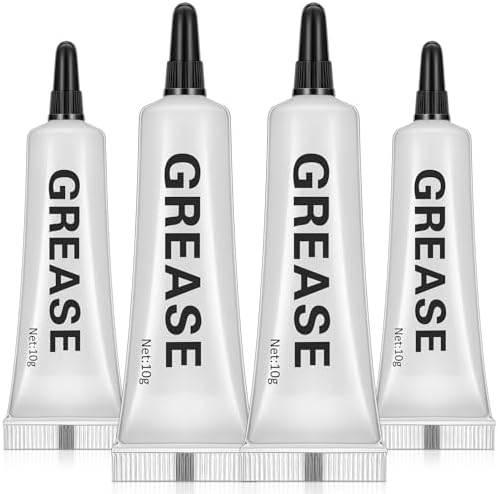
Conelist packages its white lithium grease in four compact squeeze tubes. Each tube is listed as 0.35 ounce, so the pack is geared toward small, targeted applications rather than large jobs. The product description names sliding-door and garage-door uses and says the grease is compatible with metal and rubber.
The small tubes may be handy to keep in a toolbox or place where you maintain several doors and hinges. The formula is also described as waterproof and rust-resistant. However, this is white lithium grease, not silicone grease, so it is worth checking which materials and parts your specific door allows you to lubricate.
The supplied product information lists this item as unavailable. Availability can change, so check the listing before deciding. If it is not available, the KEZE silicone tube or the GREASECO squeeze tube may be easier alternatives to compare, depending on the type of lubricant you need.
Pros:
- Four small tubes support precise, low-volume use
- Product description lists sliding-door applications
- Described as compatible with metal and rubber
- Compact format is easy to store
Cons:
- Listed as unavailable in the supplied product information
- White lithium grease may not suit every track or door component
Verdict: Consider Conelist if the compact format suits your needs and the listing is available, but confirm that white lithium grease is appropriate for your door.
GREASECO White Lithium Squeeze Tube: Best simple general-purpose tube

GREASECO’s white lithium grease is a light-duty general-purpose formula supplied in a squeeze tube. Its listed uses include household doors, garage doors, hinges, and overhead tracks, along with various automotive and equipment parts. The tube format is straightforward if you want to apply a modest amount without using a brush or dipping into a jar.
The product description says the grease helps prevent rust and corrosion and describes it as non-staining. Even so, white grease can be visible if applied where it can be seen, so test a small amount in a discreet spot and wipe away extra product. For a sliding glass door, apply only to a component that the door maker says can be greased.
Compared with the silicone options in this list, GREASECO offers a simpler, light-duty lithium formula and fewer supplied details about temperature range or material compatibility. That makes it a basic alternative rather than the most specialized pick for a door with plastic rollers or seals.
Pros:
- Tube allows direct, targeted application
- Product description lists household doors and overhead tracks
- Designed for general-purpose lubrication
- Described as helping prevent rust and corrosion
Cons:
- Fewer specific performance and compatibility details are provided
- White lithium grease may not be the right match for all door materials
Verdict: GREASECO is a straightforward option for a suitable metal door part, but choose a silicone formula if mixed-material compatibility is your main concern.
How to Choose Grease for a Sliding Glass Door
Match the lubricant to the door materials
Sliding doors can involve metal, plastic, rubber, and vinyl components. Check the door manual or manufacturer’s care instructions before choosing a grease. The KEZE silicone option specifically lists plastic, rubber, and metal applications, while the lithium products are described more broadly for household, automotive, or metal parts. Do not assume that a lubricant suitable for one part is also suitable for every seal, roller, or track in the door.
Find the source of the sticking or squeaking
A door that feels rough may have dirt or debris in its track, a roller problem, or a part that needs lubrication. Clean the track and inspect the door before applying anything. Lubricant will not fix worn or damaged hardware, and putting grease over grit can make the track dirtier. If the door still binds after cleaning, check the rollers and the manufacturer’s instructions.
Choose a formula for the job
Silicone grease is the most directly relevant starting point among these picks because one product listing names sliding doors and several products are described for door parts. White lithium grease is a thicker general-purpose option that may suit appropriate metal hardware. Use the lubricant type recommended for your door, especially if the track or rollers contain plastic or rubber.
Think about how you will apply it
A tube can make it easier to put a small amount in a specific spot. A built-in brush, like the one described for the Keze lithium grease and IMPRESA silicone grease, can help with controlled application to accessible parts. Small squeeze tubes are convenient for occasional jobs, while a larger jar may suit someone who also maintains other equipment.
Use less than you think you need
Apply a thin amount only to the part that requires lubrication, then move the door and wipe away visible excess. A thick coating can attract dust and debris, which may work against smooth movement. Keep lubricant off glass, flooring, and other surfaces where residue would be unwelcome, and follow the door maker’s cleaning and maintenance advice.
Consider the product details that matter most
For a door with mixed materials, prioritize stated compatibility. For exposed metal hardware, you may care more about the product’s listed moisture and corrosion protection. If you maintain more than one item, a larger container or multi-use formula could be practical. Availability can change, so confirm that the product is currently offered before making a purchase.
Frequently Asked Questions
What type of grease is best for a sliding glass door?
A silicone-based grease is a good place to start when the door has a mix of metal, plastic, and rubber parts, provided the manufacturer allows it. KEZE’s silicone grease listing specifically names sliding doors and mixed-material applications. Always check the door’s care instructions first.
Can I use white lithium grease on a sliding glass door?
Some of the listed white lithium products include sliding doors among their suggested uses. That does not mean every track, roller, or seal is compatible. Use lithium grease only on parts the door maker says may be lubricated, and apply a small amount to avoid unnecessary residue.
Should I grease the entire track?
Usually, it is better to clean the track first and lubricate only the part that needs it, following the door manufacturer’s guidance. A heavy layer along the full track can collect dirt and interfere with movement.
How do I apply lubricant without making a mess?
Wipe the track clean, then apply a small amount directly to the approved part using a tube or brush. Move the door back and forth to spread the lubricant where needed, and wipe off excess. Protect nearby flooring and glass from drips or smears.
Can lubricant fix a sliding door that is hard to open?
It may help if friction is the issue, but it will not repair a damaged roller, bent track, or other worn hardware. Clean and inspect the door first. If it still sticks or moves unevenly, the hardware may need adjustment or repair.
Is a brush or a squeeze tube better?
Both can work. A squeeze tube is compact and allows direct application, while a brush can help spread a small amount over an accessible component. Pick the format that gives you the most control for the part you need to treat.
Final Recommendation
For most shoppers comparing these options, KEZE Silicone Grease with PTFE is the strongest starting point because its product description specifically lists sliding glass doors and use on plastic, rubber, and metal. IMPRESA is worth considering if you prefer a jar with a built-in brush, while the white lithium options are better treated as general-purpose alternatives for door parts that are confirmed to be compatible. Clean the track first, follow your door manufacturer’s instructions, and apply lubricant sparingly.
