
Choosing the best high performance window film starts with matching the shade and roll size to your project. The options below include two dark carbon films for vehicles and compatible building windows, plus a medium-shade film designed for heat control. Before buying, check your local tint rules and confirm that the film is suitable for your glass.
Table of Contents
Quick Comparison
| Window Film | Shade | Roll Size | Best For |
|---|---|---|---|
| United 3% VLT 2Ply Carbon Window Tint Film | 3% VLT | 24 in x 100 ft | Very dark tint for smaller or narrower sections |
| United 5% VLT Nano Carbon 2Ply Window Tint Film | 5% VLT | 40 in x 100 ft | Deep shade with a wider roll |
| BDF NC35 Nichrome 35 Window Film | 35, medium shade | 36 in x 50 ft | Heat control with more light passing through |
Our Picks: Best High Performance Window Films reviews
United 3% VLT Carbon Film: Very Dark Shade in a Narrow Roll
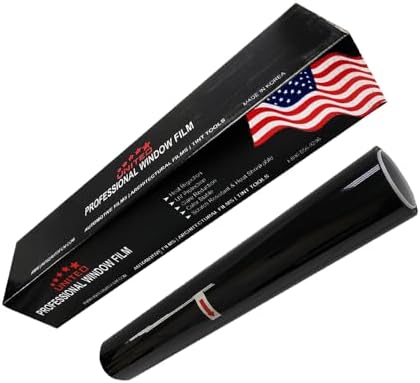
This 2-ply carbon film has a 3% visible light transmission (VLT), making it the darkest option in this comparison. Its 24-inch width may suit projects where a narrower roll is easier to handle, while the 100-foot length provides material for multiple windows or larger jobs.
The film is made with polyester and carbon particles. Its listed features include low reflectivity, optical clarity, and an adhesive intended to support heat-shrink installation. It is described for wet or dry application on curved or flat glass, and for use on vehicles and buildings. For a first-time installer, heat shrinking and careful handling still take practice; the product description does not mean every installation will be bubble-free without preparation.
A 3% VLT film creates a very dark shade. That can suit someone prioritizing privacy and a strong reduction in visible light, but it may not be a good fit if you want a brighter cabin or need to meet a particular visibility requirement. Check local rules before applying it to a vehicle.
Pros:
- Very dark 3% VLT shade
- Long 100-foot roll
- Carbon construction is described as low-reflective
- Designed for wet or dry installation and heat shrinking
Cons:
- Very dark tint may not suit every driver or local tint rule
- The 24-inch roll is narrower than the 40-inch option below
Verdict: Choose this film if you want a very dark carbon tint and prefer a narrower roll for your project; skip it if you need a lighter shade.
United 5% VLT Nano Carbon Film: Wider Coverage for Deep Shade

This 2-ply nano carbon film has a 5% VLT shade and comes in a 40-inch-wide, 100-foot roll. Compared with the 3% option above, it lets slightly more visible light through while retaining a very dark appearance. The wider roll can be useful when a project needs broader pieces of film, though it may take more space to handle and cut.
The product description says the film uses dual-layer PET with nano carbon particles in the adhesive and hard coat. It is designed for wet installation, with wet or dry heat shrinking for curved or flat windows. The listed applications include vehicles and compatible building windows. Confirm suitability for your specific glass before applying it, especially if you are considering a building window.
This is a practical choice if you want deep shade but need more roll width than the 24-inch option provides. Its 5% VLT remains very dark, so it is not the pick for someone seeking a bright view through the glass. As with any tint, check applicable vehicle rules before installation.
Pros:
- Wide 40-inch roll for broader cuts
- 100-foot length for multi-window projects
- 5% VLT offers deep shade
- Designed for wet application and heat shrinking
Cons:
- Still very dark compared with a medium-shade film
- Wet installation and heat shrinking require care
Verdict: Pick this film for deep shade and a wider roll; consider the BDF NC35 instead if you want a medium shade that allows more light through.
BDF NC35 Nichrome Film: Medium Shade for Heat Control

The BDF NC35 is a medium-shade heat-control film in a 36-inch-wide, 50-foot roll. Unlike the two very dark carbon choices, its 35 designation is paired with a medium shade intended to let more light through. The product description says it helps reject heat and blocks 99% of UV rays, which may help reduce sun-related fading of furnishings.
This film has a scratch-resistant coating and a strong adhesive protected by a release liner. The supplied installation guidance calls for a generous soap-and-water mixture on both the glass and adhesive side. It also warns that the film is delicate: a fold may leave a permanent wrinkle. The product is specified for non-thermal glass and is not recommended for dual-pane windows, so check your window type before ordering.
The listing data provided for this product indicates that it may not be available, so check the Amazon listing before planning a project around it. If it is available and your glass is compatible, its medium shade and heat-control focus make it the most suitable of these three for someone who does not want an ultra-dark tint.
Pros:
- Medium shade allows more light through than the 3% and 5% options
- Described as helping reject heat and blocking 99% of UV rays
- Scratch-resistant coating
- Includes tools and an installation guide according to the product description
Cons:
- Not recommended for dual-pane windows
- Careful handling is important because folds may cause permanent wrinkles
Verdict: Choose the BDF NC35 if you want a medium-shade film for compatible non-thermal glass, but verify glass compatibility and availability first.
How to Choose a High Performance Window Film
Choose a Shade That Fits Your Needs
VLT describes how much visible light passes through a film. Lower numbers mean a darker tint: the 3% option is darker than the 5% option, while the BDF NC35 is listed as a medium shade. Think about how much light you want to retain and how much privacy you need. For vehicle windows, check local tint rules before choosing a shade.
Match the Film to Your Glass
Film that suits one window may not suit another. The BDF NC35 is specified for non-thermal glass and is not recommended for dual-pane windows. The carbon films are described for vehicles and buildings, but the second listing refers to compatible building windows. Confirm the film’s guidance for your exact glass type before installation.
Compare Roll Width and Length
Roll dimensions affect how much material you have and how easy it may be to plan your cuts. The United films are 100 feet long, with widths of 24 and 40 inches. The BDF roll is 36 inches wide and 50 feet long. Measure your windows and plan the layout before buying; a wider roll can help with broader sections, while a narrower roll may be easier to manage for smaller cuts.
Consider the Installation Method
The United films are described as suitable for wet or dry application and heat shrinking, while the BDF instructions call for a soap-and-water mixture. Curved glass, clean surfaces, careful trimming, and controlled handling can make installation more demanding. If you are new to tint installation, allow time to prepare the glass and follow the product’s instructions closely.
Decide Whether You Prioritize Shade or Heat Control
The two United options emphasize deep shade and carbon construction. The BDF NC35 is positioned as a medium-shade heat-control film and lists UV blocking as a feature. Compare the stated purpose rather than assuming that a darker film is automatically the best choice for every project.
Check Availability and Project Requirements
Product availability can change, so confirm the listing before planning a job around a specific roll. Also make sure the roll size, glass compatibility, installation method, and intended use match your project. For a vehicle, verify tint requirements in your area before applying film.
Frequently Asked Questions
What does VLT mean on window film?
VLT means visible light transmission. It indicates how much visible light passes through the film; a lower VLT number means a darker shade.
Which of these films is the darkest?
The United film with 3% VLT is the darkest option listed here. The United 5% VLT film is also very dark, while the BDF NC35 is described as a medium shade.
Which option has the widest roll?
The United 5% VLT nano carbon film has the widest roll at 40 inches. The BDF NC35 is 36 inches wide, and the United 3% film is 24 inches wide.
Can I use these films on home windows?
The United product descriptions mention building windows, with the 5% film specified for compatible building windows. The BDF NC35 is described for non-thermal glass and is not recommended for dual-pane windows. Confirm compatibility for your window before installation.
Are these films suitable for a DIY installation?
The United films are described as suitable for professional installers and DIY users, and the BDF listing says it includes tools and an installation guide. Even so, installation involves careful cleaning, trimming, and handling. The BDF description warns that folds may leave permanent wrinkles.
Which film is the better choice if I want more light?
The BDF NC35 is the medium-shade option in this group. It is designed to allow more light through than the two very dark United films, but it is only suitable for compatible glass.
Final Recommendation
For a very dark tint in a narrower roll, choose the United 3% VLT film. If you want the same general deep-shade approach with broader coverage, the United 5% VLT film is the more practical fit. The BDF NC35 is the better match for a medium shade and stated heat-control features, provided your glass is compatible and the product is available. Whichever you choose, verify the intended use, glass requirements, and local tint rules before installation.
