
Choosing the best low energy door operator starts with matching the operator to your door, mounting position, and access needs. These devices can provide automatic opening while allowing a door to close under controlled force, but details such as push-side or pull-side mounting and the activation method matter. Below, we compare five options and explain what to check before choosing one.
Table of Contents
Quick Comparison
| Product | Mounting or configuration | Notable details |
|---|---|---|
| Dorma ED900-J8-SW Top Jamb Low Energy Door Operator | Top jamb | Listing provides limited specifications |
| Norton 5710 LEO Hinge Pull Side Of Door Low Energy Door Operator | Pull side | Designed for manual doors that occasionally need automatic opening |
| Norton LE05741DU Dark Bronze 5700 Series LEO Operator | 5700 Series | Non-handed; listed as meeting specified accessibility and industry standards |
| Norton 5730-690 LEO Stop Push Side Operator | Push side | Listing identifies the model and finish code but gives few other details |
| LCN 4631-STD Electric Auto Equalizer Operator | Pull side | Electric auto equalizer configuration |
Our Picks: Best Low Energy Door Operator reviews
Dorma ED900-J8-SW: A Top-Jamb-Mounted Option
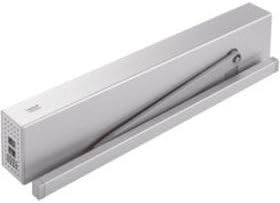
The Dorma ED900-J8-SW is identified as a top-jamb low energy door operator. That mounting style may be worth considering when the door and frame layout call for an operator installed at the top of the jamb. The available product details do not provide further operating, activation, or compatibility specifications, so confirm those before ordering.
Compared with the Norton 5710 and LCN 4631-STD, which are described as pull-side models, the Dorma’s key distinction is its top-jamb designation. That makes it less useful to compare on features alone; the right choice depends first on the mounting arrangement your door requires. Check the manufacturer’s documentation and have the opening assessed if you are unsure.
The sparse listing information is a practical drawback. It does not identify activation options or provide enough detail to confirm whether this unit suits a particular door, frame, or access-control setup. Treat it as a model to investigate for a specific top-jamb application, not a universal replacement.
Pros:
- Clearly identified as a top-jamb operator
- May suit installations where that mounting position is needed
- Provides another configuration to consider alongside pull-side models
Cons:
- Available listing details are limited
- Activation and door compatibility need to be confirmed separately
Verdict: Consider the Dorma ED900-J8-SW when a top-jamb configuration is appropriate, but verify the specifications and fit before buying.
Norton 5710 LEO: Pull-Side Operator for Occasional Automatic Access

The Norton 5710 LEO is designed mainly for doors that people open by hand but that sometimes need automatic opening. It installs on the pull side of the door and is described as providing controlled opening and closing. The product information names wall switches, motion sensors, and radio-frequency devices as activation options.
This mix of manual use and optional automatic activation makes the 5710 a practical candidate for an entry where automatic access is needed at certain times, rather than for every passage. The stated use includes helping people with disabilities, older adults, and people who are frail. Before choosing it, make sure the listed mounting position fits your door and confirm which activation components are included or must be sourced separately.
Its pull-side design is the main limitation: it is not the obvious pick if your installation calls for a push-side or top-jamb model. The listing also does not give detailed sizing or power information, so check the product documentation and installation requirements for your opening.
Pros:
- Designed for doors that are usually opened manually
- Pull-side installation is clearly specified
- Several activation methods are identified in the product details
- Described as offering controlled opening and closing
Cons:
- May not suit doors that require push-side or top-jamb mounting
- Confirm included activation hardware and door compatibility before purchase
Verdict: Choose the Norton 5710 if you need a pull-side operator for occasional automatic access and can verify the activation setup for your door.
Norton 5700 Series LEO: A Non-Handed Model With Stated Standards

The Norton LE05741DU is a dark bronze operator in the 5700 Series. Its listing says it is non-handed, which can simplify selection when you do not want to choose a left- or right-hand version. It also describes the unit as easy to install and set up, though actual work will depend on the door, frame, and installation conditions.
The product information states that this model complies with ADA accessibility guidelines and meets ANSI/BHMA A156.19 and A.D.A. A156.4. It also says the operator retains proper closing force while providing the opening force specified for accessibility. Those claims make it the most clearly documented option in this group for shoppers comparing stated standards. Verify that the specific installation meets applicable requirements; a product listing alone does not confirm compliance for a complete doorway.
Compared with the other choices, this model offers useful details about handedness, finish, setup, and standards. However, the supplied information does not specify activation options or the exact door conditions it supports. Confirm those details, along with the finish and mounting requirements, before making it your selection.
Pros:
- Listed as non-handed
- Dark bronze finish is identified in the product title
- Product details name accessibility and industry standards
- Listing describes installation and setup as easy
Cons:
- Activation options and detailed door-fit information are not provided
- Confirm that the full installation meets applicable accessibility requirements
Verdict: The Norton 5700 Series is a strong starting point if you value a non-handed model and clearly stated standards, provided its mounting and activation details match your project.
Norton 5730-690 LEO: A Push-Side Choice

The Norton 5730-690 is identified as a stop push-side low energy door operator. That configuration makes it a model to investigate when the operator needs to be mounted on the push side of the opening. Its listed model number and finish code help distinguish it from the pull-side Norton 5710 and 5700 Series options.
Beyond that configuration, the product description provides little detail. It does not name activation methods, accessibility standards, or door-fit requirements. Those omissions make it harder to compare this model feature for feature with the Norton 5710 or the 5700 Series unit, so consult the manufacturer’s specifications before deciding.
The 5730-690 is best approached as a fit-driven option. If your installer has specified a push-side stop configuration, this model may be worth checking. If you have not confirmed the mounting arrangement, first compare your door and frame with the product documentation rather than choosing by model name alone.
Pros:
- Push-side configuration is identified
- Model number and finish code are included in the title
- Offers an alternative to the pull-side Norton models
Cons:
- Listing provides few operating or compatibility details
- Activation options and applicable standards are not specified in the supplied description
Verdict: Consider the Norton 5730-690 only when a push-side stop operator matches your project, and verify the missing specifications before ordering.
LCN 4631-STD: Pull-Side Electric Auto Equalizer

The LCN 4631-STD is described as an electric auto equalizer low energy power door operator for pull-side installation. Its pull-side configuration gives it a clear place in a comparison where mounting direction is a key factor. The listing does not provide more detail about activation, door sizing, or installation requirements, so use the product documentation to confirm the setup.
Compared with the Norton 5710, the LCN listing is less specific about activation options and intended use. It may still be worth considering if an installer has identified the 4631-STD as a match for your opening, but the supplied information is not enough to determine that fit on its own.
As with any operator, check the door and frame, required mounting position, power needs, and controls before ordering. Do not assume that a pull-side designation guarantees compatibility with every pull-side opening.
Pros:
- Pull-side configuration is specified
- Product title identifies the electric auto equalizer design
- Provides another option for projects requiring pull-side mounting
Cons:
- Available listing details do not explain activation options or door sizing
- Compatibility should be confirmed with the manufacturer or installer
Verdict: The LCN 4631-STD may suit a pull-side project when its specifications have been confirmed for your door and control setup.
How to Choose a Low Energy Door Operator
Match the Mounting Position to Your Door
Start by confirming whether the operator belongs on the push side, pull side, or top jamb. The products here are not interchangeable just because they are all low energy operators. The Norton 5710 and LCN 4631-STD are identified as pull-side models, the Norton 5730-690 as a push-side model, and the Dorma ED900-J8-SW as a top-jamb model. If you are unsure which side is correct, ask a qualified installer to assess the opening.
Check Door and Frame Compatibility
Door and frame dimensions, construction, and existing hardware can affect whether an operator will fit and work as intended. The supplied product details do not give complete sizing information for these models. Check the manufacturer’s specifications for your exact door, frame, and mounting conditions before purchasing.
Choose an Activation Method
Think about how people should request an automatic opening. The Norton 5710 description names wall switches, motion sensors, and radio-frequency devices as activation options. The other supplied descriptions do not identify specific controls. Confirm which activation components are compatible and whether they are included or need to be purchased separately.
Consider Manual Use and Access Needs
The Norton 5710 is specifically described as primarily intended for manual opening applications that occasionally need automatic opening. Consider how often the door will be used automatically and who needs access. For an accessible route, check applicable requirements for the complete opening and have the setup reviewed by a qualified professional. Product claims alone do not establish that a finished installation meets every requirement.
Verify Standards and Closing Requirements
The Norton 5700 Series listing names ADA accessibility guidelines and ANSI/BHMA A156.19 and A.D.A. A156.4. It also describes balancing proper closing force with the stated opening-force requirement. If standards or accessibility are important to your project, verify the exact requirements for the site and confirm that the selected model and installation meet them.
Confirm Power, Controls, and Installation Details
Before ordering, check the product’s installation instructions for power, wiring, control connections, and any required accessories. The supplied listings do not provide complete information for every model. Low energy door operators can require careful setup, so consider using a qualified installer, especially when the door is part of an accessible entrance or connected to other access controls.
Compare Finish and Listing Details
Appearance may matter when the operator is visible in a public or finished space. The Norton 5700 Series product title specifies dark bronze, while the other supplied descriptions do not provide comparable finish detail. Also compare the exact model number and included components, since similar-looking operators can have different mounting configurations or requirements.
Frequently Asked Questions
What is a low energy door operator?
It is a powered device that opens a door automatically while supporting controlled door operation. The exact features and setup vary by model, so check the manufacturer’s documentation for the operator you are considering.
Which operator in this comparison is for pull-side installation?
The Norton 5710 LEO and LCN 4631-STD are identified as pull-side models. Confirm that your door and frame work with the exact model before ordering.
Which model is identified for push-side mounting?
The Norton 5730-690 is described as a stop push-side operator. Its listing gives limited additional information, so check the manufacturer’s specifications for activation, compatibility, and installation needs.
Which model is listed as non-handed?
The Norton LE05741DU in the 5700 Series is described as non-handed. Even so, confirm its mounting and fit requirements for your opening.
Can a low energy operator be activated by a wall switch?
The Norton 5710 description lists a wall switch as one activation option, along with a motion sensor or radio-frequency device. The supplied details do not confirm the same options for the other models.
Does a product’s accessibility claim guarantee that my doorway complies?
No. The Norton 5700 Series listing names accessibility guidelines and standards, but the completed doorway must also be suitable for the site and installed correctly. Check applicable requirements with a qualified professional.
Should I install a low energy door operator myself?
Installation depends on the door, frame, power, controls, and operator configuration. If you are not familiar with those requirements, ask a qualified installer to confirm the fit and set up the system.
Final Recommendation
The Norton 5700 Series LEO stands out in this group for its non-handed design and clearly stated standards, making it a useful starting point for shoppers comparing documented features. For a pull-side door that needs occasional automatic opening, the Norton 5710 offers the clearest description of activation options. If your project calls for push-side or top-jamb mounting, focus on the Norton 5730-690 or Dorma ED900-J8-SW respectively, and confirm their limited listing details before purchase. In every case, match the operator to the opening and verify the installation requirements before you buy.
