
Fresh paint can make baseboards and doors look cleaner, brighter, and more finished, but the right product depends on the surface and the look you want. A satin door-and-trim paint is the most direct match for traditional trim, while all-in-one paints and wood-look kits suit different projects. Here’s how the options compare and what to consider before choosing one.
Table of Contents
Quick Comparison
| Product | Best for | Finish or look | Notable feature |
|---|---|---|---|
| Rust-Oleum Advanced Dry Door & Trim Paint | Standard doors and trim | Satin white | Water-based formula; touch-dry in 45 minutes, according to the product description |
| Giani Wood Look Paint Kit for Doors | Doors with a wood-look makeover | English Oak wood effect | Three-step application for interior or exterior doors |
| Giani Wood Look Paint Kit for Garage Doors | Garage doors | English Oak wood effect | Two-step kit designed for outdoor use |
| ALL-IN-ONE Paint by Heirloom Traditions | Multiple indoor or outdoor surfaces | Cashmere white, low-luster velvet sheen | Advertised as requiring no sanding, primer, or top coat |
| baseto Water-Based Wood Paint | Small furniture and trim refreshes | Color depends on selected option | Includes basic painting tools, according to the product description |
Our Picks: Best Paint For Baseboards And Doors reviews
1. Rust-Oleum Advanced Dry Door & Trim Paint: Best Match for Standard Trim

This is the most straightforward choice in this group for conventional baseboards, interior doors, and trim. It is a ready-to-use, pre-mixed paint in satin white, made for interior or exterior metal, wood, and fiberglass. The satin finish offers a soft sheen rather than a flat look, which can help trim stand apart from matte walls.
The water-based formula is described as lower odor than traditional oil-based paint and touch-dry in 45 minutes. That quick touch-dry time may be useful when you want to move through a project efficiently, but it does not mean the paint is fully cured or ready for heavy use. Follow the label for recoating and handling guidance.
Its main limitation is color choice: this listing is for satin white, and the product description notes a small range of pre-mixed colors. If you want a custom shade or a wood-grain effect, another option may fit better. For a typical white-trim refresh, though, it is more purpose-built than the multipurpose paints here.
Pros:
- Designed specifically for doors and trim.
- Suitable for wood, metal, and fiberglass.
- Water-based formula with less odor than traditional oil-based paints, according to the description.
- Listed as touch-dry in 45 minutes.
Cons:
- This listing is satin white, so it may not suit a custom-color project.
- Touch-dry time is not the same as full cure time.
Verdict: Choose this paint for a conventional satin-white door or baseboard refresh when you want a product specifically labeled for trim.
2. Giani Wood Look Paint Kit for Doors: Best for an English Oak Effect
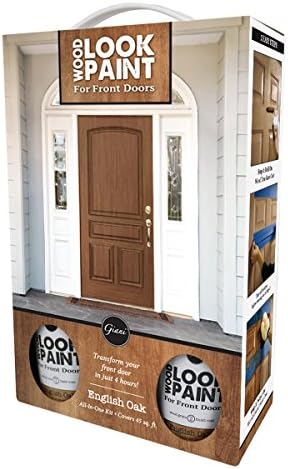
This kit is for changing the look of a door, not for painting all your baseboards in a standard solid color. It is designed to create an English Oak wood effect on painted steel, aluminum, and wood doors, and can be used on interior or exterior doors. The product description calls for a three-step application.
The kit is positioned as a same-day project, with a quick-dry formula intended to let you paint and close the door that day. It also notes that the look pairs with several common hardware finishes. As with any faux-wood finish, the final appearance depends on following the application steps and working carefully across the door surface.
Because it is specialized for a wood-look result, this is a poor fit if your goal is simply to repaint white baseboards or get a smooth, uniform trim color. It is a more suitable pick for someone who wants a door makeover without replacing the door.
Pros:
- Designed for front and interior doors.
- Works on painted steel, aluminum, and wood, according to the description.
- Creates an English Oak look rather than a standard solid-color finish.
Cons:
- Specialized wood-look finish is not a general-purpose baseboard paint.
- The multi-step process requires more care than applying a single-color trim paint.
Verdict: Pick this kit when your priority is giving a compatible door an English Oak appearance, not when you need ordinary paint for baseboards.
3. Giani Wood Look Paint Kit for Garage Doors: Best for a Garage Door Makeover

This kit is aimed at garage doors rather than interior baseboards. Its English Oak finish is intended to make a plain or painted garage door resemble wood. The description says it works on smooth, embossed, flat, or raised-panel doors and uses a two-step application.
The water-based acrylic kit is described as low in odor and VOCs and designed for outdoor durability and weather resistance. It also lists included application tools, such as a brush, mitt, roller, and tarps. The stated coverage is up to 180 square feet, though actual coverage can vary with the door’s size and surface.
For indoor trim, this is more kit than you need and the faux-wood look may not match your project. Consider it only if you are specifically updating a garage door and have checked that the door material and surface are suitable.
Pros:
- Designed for garage doors, including several panel styles.
- Creates an English Oak wood-look finish.
- Includes basic application tools, according to the description.
- Product information describes it as intended for outdoor durability and weather resistance.
Cons:
- Not intended as a standard paint for baseboards or indoor trim.
- The wood-look effect takes a two-step application.
Verdict: Choose this kit for a compatible garage door makeover; skip it for ordinary doors and baseboards that need a solid color.
4. ALL-IN-ONE Paint by Heirloom Traditions: Best for a Broad Surface Refresh

This multipurpose paint is listed for doors, cabinets, furniture, metal, glass, tile, and other surfaces. The Cashmere color is described as a crisp white, and the finish is low-luster with a velvet sheen. That makes it an option if you want to coordinate trim or doors with a wider home update.
The manufacturer describes it as requiring no sanding, primer, or top coat. That promise may simplify some projects, but surface condition and material still matter: read the product directions and confirm compatibility before skipping preparation. The product listing also cautions that screen color may differ from the paint’s appearance, so checking a color card or sample is sensible if an exact white matters.
Compared with the Rust-Oleum option, this paint is broader in its listed uses but is not presented as a dedicated door-and-trim formula. It may suit a multi-surface project, while a purpose-made trim paint is the simpler choice for routine baseboards and doors.
Pros:
- Listed for both interior and exterior use.
- Can be used on a broad range of surfaces, including doors and furniture.
- Advertised as needing no sanding, primer, or top coat.
- Cashmere is a white shade with a low-luster velvet sheen.
Cons:
- It is a multipurpose paint rather than a dedicated trim paint.
- Digital color images may not show the exact shade.
Verdict: Consider this paint for a coordinated, multi-surface refresh, but verify the color and surface directions before using it on trim.
5. baseto Water-Based Wood Paint: Best for a Small DIY Update

This water-based paint is marketed for furniture and home projects, including doors, cabinets, floors, and stairs. The listing describes a low-odor formula and a kit that includes tools such as a brush, roller, film, masking tape, sandpaper, and gloves. For someone updating a small area, having basic supplies in one package may be convenient.
The product description says to clean the surface and let it dry before painting. It also recommends primer on smooth materials such as glass, ceramic, and metal to improve adhesion, despite its general no-sanding, no-priming claim. That distinction matters: do not assume every surface can be painted without preparation.
The listing states that a 16-ounce container covers two coats on about 25 to 30 square feet, and gives a four-hour surface-dry time and 24-hour complete-dry time. These details make it easier to estimate a small project, but the paint is less specifically focused on baseboards and doors than the Rust-Oleum pick.
Pros:
- Water-based and described as low odor.
- Includes several basic painting tools, according to the listing.
- Listed for doors, cabinets, furniture, floors, and other projects.
- Provides stated coverage and drying information for planning.
Cons:
- Product directions recommend primer on smooth surfaces such as metal.
- It is not as specifically focused on doors and trim as the Rust-Oleum paint.
Verdict: This is worth considering for a small DIY refresh when the included tools are useful, but check its surface-preparation directions closely.
How to Choose Paint for Baseboards and Doors
Match the Paint to the Surface
Start by identifying what you are painting. Baseboards and doors may be wood, metal, fiberglass, or a previously painted surface. Check the product label for the materials it supports. Rust-Oleum’s door-and-trim paint is listed for wood, metal, and fiberglass, while the Giani door kit is intended for painted steel, aluminum, and wood. If you are unsure about the surface or its existing coating, test a small, hidden area first.
Choose a Finish That Fits the Room
A finish changes how trim looks next to your walls. Satin has a gentle sheen, while the ALL-IN-ONE Paint listing describes a low-luster velvet sheen. Think about how much contrast you want and whether the sheen will suit nearby surfaces. For a consistent look, compare a sample with your wall color and room lighting before painting every door or baseboard.
Decide Whether You Want a Solid Color or a Special Effect
Most trim projects call for a consistent solid color. For that purpose, a door-and-trim paint or suitable multipurpose paint is usually the more direct choice. Wood-look kits serve a different goal: they are designed to create an oak-style effect on doors, including garage doors. They require a specific application process and are not substitutes for ordinary trim paint.
Read the Preparation and Surface Instructions
Do not rely on broad claims such as “no priming” without checking the directions for your exact surface. One paint in this selection recommends primer on smooth materials even though it is marketed as an all-in-one option. Clean the surface, address peeling or damaged paint as needed, and follow the product label for preparation. Good preparation helps reduce adhesion problems and uneven results.
Plan Around Drying and Recoating Times
Touch-dry, recoat, and full-cure times are different. A surface that feels dry may still need more time before it can handle regular use, repeated contact, or a door closing against a frame. Check the can or manufacturer directions for recoat and cure guidance, and allow extra time when conditions are cool or humid.
Estimate Coverage Before You Buy
Measure the area you plan to paint and compare it with the coverage listed for the product. Coverage can vary with the surface, application method, and number of coats. The garage-door kit lists coverage up to 180 square feet, while the baseto paint gives an estimate for two coats on a smaller area. Other listings here do not provide a coverage figure, so consult the packaging or product details before planning a large job.
Check the Color in Your Own Lighting
White paint can vary in warmth and appearance, and a screen image may not represent the color accurately. If you need to match existing trim, use a physical sample or color card when available. This is especially useful when painting only some of the doors or baseboards in a room.
Frequently Asked Questions
What type of paint is best for baseboards and doors?
For a standard trim refresh, look for paint specifically labeled for doors and trim and confirm that it works on your surface. In this selection, Rust-Oleum Advanced Dry Door & Trim Paint is the most direct match for conventional baseboards and doors.
Is satin paint a good choice for baseboards?
Satin is one option if you want a soft sheen rather than a flat appearance. The right finish depends on the look you prefer and how it coordinates with your walls and other trim. Check the product label for the finish and intended use.
Can I use the same paint on doors and baseboards?
Often, a paint labeled for both doors and trim can be used on both, provided the materials are compatible. Confirm the label supports each surface, and follow the preparation and application instructions for each one.
Do I need to prime before painting baseboards or doors?
It depends on the surface and the paint. Some products are marketed as requiring no primer, but specific directions may still call for primer on certain materials or conditions. Check the instructions rather than assuming primer can always be skipped.
Can a wood-look door kit be used on baseboards?
The Giani door kits in this selection are designed for doors, with the garage-door version intended for garage doors. They are made to create a wood-look effect, not a typical solid-color baseboard finish. Check the kit directions before using it on any surface outside its stated purpose.
How long should I wait before using a freshly painted door?
Use the product’s instructions for recoat, handling, and full-cure timing. Touch-dry time alone does not tell you when a painted door is ready for repeated contact or when it can be closed without risk of sticking.
Final Recommendation
For most standard baseboard and door projects in this group, Rust-Oleum Advanced Dry Door & Trim Paint is the clearest fit because it is specifically labeled for doors and trim and supports wood, metal, and fiberglass. Choose the Giani kits for their intended wood-look door projects, and consider the all-in-one or baseto paints when their broader uses or included tools match your needs. Before buying, confirm the surface compatibility, finish, color, and preparation instructions for your particular project.
