
An old metal roof may need more than a fresh coat of paint. The right coating depends on the roof’s condition, the product’s compatibility with metal, and whether you want rust protection, a reflective finish, or a flexible waterproof layer. These five options include coatings made for metal roofs as well as broader roof products, so check the label carefully before buying—especially if your roof has loose rust, peeling paint, or existing sealant.
Table of Contents
Quick Comparison
| Product | Type | Best For | Important Note |
|---|---|---|---|
| Rust-Oleum 510 Fibered Aluminum Roof Coating | Fibered aluminum coating | Metal roofs with tight rust | Lists no-primer application over tight rust |
| Gardner STA-Kool SK-7705 Acrylic Roof Coating | White elastomeric acrylic | Reflective roof coating | Confirm metal-roof compatibility on the label |
| Gardner Aluma-Kote Gloss Silver Roof Coating | Fibered aluminum coating | Those seeking a silver aluminum finish | Check application and preparation directions |
| Rust-Oleum 350 Fibered Black Roof Coating | Black roof coating | Smooth asphalt and built-up roofs | Its stated uses do not list metal roofs |
| Liquid Rubber Silicone Roof Coating | White silicone coating | Flexible sealing on compatible metal roofs | Coverage depends on the roofing material |
Our Picks: Best Paint For Old Metal Roof reviews
Best Overall for Tight Rust: Rust-Oleum 510 Fibered Aluminum Roof Coating

Rust-Oleum 510 is the clearest fit in this group for an old metal roof. It is a fibered aluminum roof coating described as waterproof and rustproof, and its product information specifically lists metal roofs as a suitable surface. The two-pack format may also be useful when one container is not enough for the area you need to coat.
One notable feature is that it does not require a primer over tight rust. That does not mean you can coat over loose scale, flaking paint, or a dirty surface; follow the label’s preparation steps and remove material that is not firmly attached. The coating also lists a 53% reflectivity figure and a seven-year warranty, so check the warranty terms and application requirements before counting on that coverage.
Compared with the other choices, this is the most straightforward option when your goal is an aluminum-colored coating specifically intended for metal roofing. It is less suitable if you want a white finish or need a coating for a surface that is not listed on its label.
Pros:
- Metal roofs are listed as a suitable use.
- No primer is required over tight rust, according to the product description.
- Offers a reflective aluminum finish.
- Product information lists waterproof and rustproof protection.
Cons:
- Its finish is aluminum-colored rather than white or black.
- Loose rust and failing paint still need proper preparation.
Verdict: Choose Rust-Oleum 510 if you want a reflective aluminum coating made for metal roofs and your roof is sound enough to prepare as directed.
Best Reflective Acrylic Option: Gardner STA-Kool SK-7705

Gardner STA-Kool is a white acrylic elastomeric roof coating sold in a five-gallon container. Its product description emphasizes a reflective finish, resistance to cracking and peeling, and flexibility as the roof moves with temperature changes. The white finish is a practical choice if you want a bright, heat-reflective surface rather than an aluminum or black coating.
The description says the coating reflects 85% of the sun’s heat and UV rays and can expand and contract up to 250 times with the roof’s movement. Those are product claims, not a guarantee of lower energy bills or a fit for every roof. The supplied description does not specifically confirm compatibility with metal roofing, so check the product label or manufacturer guidance before using it on metal panels.
Application is described as a roller-applied, uniform coat. The five-gallon size may be convenient for a larger project, but plan the amount around the roof’s dimensions and the coverage instructions on the container. Unlike Rust-Oleum 510, this is an acrylic coating, not a fibered aluminum product.
Pros:
- White finish with a stated 85% reflective rating.
- Flexible elastomeric formula is designed to resist cracking and peeling.
- Roller application is described in the product information.
- Large container may suit a broader coating project.
Cons:
- The supplied product details do not confirm metal-roof compatibility.
- Its white acrylic finish differs from traditional aluminum roof coatings.
Verdict: Consider STA-Kool for a reflective white finish only after confirming that the specific product is approved for your metal roof.
Best Traditional Silver Finish: Gardner Aluma-Kote Fibered Aluminum Coating
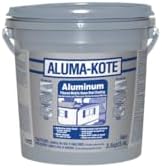
Gardner Aluma-Kote is described as a gloss silver, fibered aluminum roof coating in a one-gallon container. That makes it an option for shoppers who prefer a silver aluminum appearance and want a roof coating rather than a standard decorative paint. The product data provided does not include detailed claims about its reflectivity, rust protection, or warranty, so avoid assuming it has the same specifications as other aluminum coatings.
Before applying it to an old metal roof, check the full label for approved surfaces, surface preparation, primer needs, and application conditions. Those details matter when the roof has aged paint or corrosion. The one-gallon size may be easier to manage for a smaller area, but the label’s coverage information should guide how much you need.
Compared with Rust-Oleum 510, Aluma-Kote has less supplied information about performance and metal-roof directions. Its main known distinction is the gloss silver fibered aluminum coating. That makes it a product to investigate rather than a choice to make based on finish alone.
Pros:
- Gloss silver aluminum finish.
- Fibered roof-coating formulation.
- One-gallon container can suit a smaller project.
Cons:
- Product details provided do not spell out metal-roof compatibility or preparation requirements.
- There is not enough supplied information to compare its protection claims with the other options.
Verdict: Aluma-Kote may suit a small project where a silver fibered finish is desired, but verify the label’s metal-roof instructions before buying.
Best for Asphalt Roofs, Not a First Choice for Metal: Rust-Oleum 350

Rust-Oleum 350 is a black fibered roof coating described for smooth asphalt, built-up, and modified bitumen roofing. Its product information says it restores older roofs, can be applied by spray or brush, and is fully cured in 24 hours. Those listed uses make it a possible fit for the asphalt roof types named in the description.
Metal roofing is not listed among its stated applications. That is a major limitation for this article’s purpose: do not assume that a coating suitable for asphalt will bond to metal or perform properly on metal panels. Check the label or manufacturer before considering it for any metal roof.
Its black finish also differs from the reflective white and silver options in this roundup. Because the product data does not specify metal-roof compatibility, Rust-Oleum 350 ranks as a poor match for most shoppers looking specifically for paint for an old metal roof.
Pros:
- Product description lists smooth asphalt, built-up, and modified bitumen roofs.
- Can be applied by spray or brush, according to the product information.
- Fully cured in 24 hours, as stated in the description.
Cons:
- Metal roofs are not listed among its stated uses.
- Black finish may not suit shoppers seeking a reflective silver or white coating.
Verdict: Skip Rust-Oleum 350 for a metal roof unless the manufacturer confirms that your specific roof and application are suitable.
Best Flexible Silicone Option: Liquid Rubber Silicone Roof Coating

Liquid Rubber is a white silicone roof coating that the product description says can be used as a metal roof sealant, as well as on several other roof and building materials. It is described as UV stable and highly flexible, with a final membrane elongation of more than 237%. That flexibility may be useful where a compatible roof surface moves with temperature changes.
The stated coverage is about one gallon per 50 square feet, but the description notes that coverage depends on the roofing material. It recommends one to two layers, so use the current label’s directions to estimate the quantity for your roof. The product is described as a low-odor, ultra-low-VOC formula with no solvents; follow its instructions for application and curing regardless.
Compared with the fibered aluminum options, this coating has a white silicone finish and a stated use as a metal roof sealant. It is a better fit for someone prioritizing a flexible, UV-stable sealing layer than for someone seeking a traditional aluminum roof paint. Confirm the coating is suitable for your roof’s existing finish and condition.
Pros:
- Metal roofs are specifically included among the stated uses.
- White finish is described as UV reflective.
- Flexible membrane is designed to resist cracking from movement.
- Product information provides a coverage estimate and layer recommendation.
Cons:
- Coverage varies with the roofing material and may require more than one layer.
- Silicone coating is a different finish and coating type from fibered aluminum products.
Verdict: Choose Liquid Rubber if you want a flexible white silicone coating and its label confirms compatibility with your roof’s existing surface.
How to Choose Paint for an Old Metal Roof
Confirm the Coating Is Made for Metal
Start with the product label, not just the words “roof coating.” Roof products can be made for very different surfaces. Rust-Oleum 510 and Liquid Rubber specifically list metal roofs or metal roof use in the supplied product details. The descriptions for Gardner STA-Kool and Gardner Aluma-Kote do not provide enough information here to confirm compatibility, while Rust-Oleum 350 lists asphalt-based roofing types rather than metal. When in doubt, ask the manufacturer before applying the coating.
Assess Rust and Existing Paint
Look for loose rust, peeling paint, dirt, and areas where the old finish has separated from the metal. A coating’s ability to go over tight rust does not mean it can cover loose, flaky corrosion. Prepare the roof as directed on the label and address damaged areas before coating. If the roof has significant corrosion or leaks, a coating may not be a substitute for repair.
Choose a Coating Type and Finish
Fibered aluminum coatings such as Rust-Oleum 510 offer a silver aluminum finish, while STA-Kool and Liquid Rubber are white options. Liquid Rubber is a silicone coating, and STA-Kool is an acrylic elastomeric coating; their materials and instructions are not interchangeable. Pick a finish and formula that match the roof’s needs, and confirm that the coating works with any existing paint or sealant.
Compare Reflectivity and Protection Claims Carefully
Some products provide specific reflectivity or flexibility claims, while others in this group have limited supplied performance details. Treat those figures as product specifications, not as a promise of a particular change in indoor temperature or energy use. Also check the warranty terms, including any surface-preparation or application conditions that must be met.
Plan Coverage and Number of Coats
Measure the area you plan to coat and use the container’s coverage directions to estimate the amount needed. Roof texture, condition, and the chosen product can affect coverage. Liquid Rubber’s description gives an approximate coverage figure and recommends one to two layers, but also notes that material affects coverage. Do not assume that a gallon of one coating will cover the same area as a gallon of another.
Check Application Conditions and Safety
Follow the product label for application tools, temperature limits, drying or curing time, and weather conditions. The Rust-Oleum 350 description, for example, states a 24-hour full cure, but that timing should not be applied to the other products. Roof work also carries fall risks; use suitable safety precautions and consider a qualified roofing professional if the roof is steep, damaged, or difficult to access.
Frequently Asked Questions
What is the best paint for an old metal roof?
Rust-Oleum 510 is the most direct fit in this group because its supplied description lists metal roofs and says no primer is required over tight rust. Liquid Rubber is another option specifically described for use as a metal roof sealant. Confirm the label’s preparation and compatibility instructions for your roof.
Can I paint over rust on a metal roof?
It depends on the type and condition of the rust and the coating’s directions. Rust-Oleum 510 is described as self-priming over tight rust, but loose or flaking rust should not be treated as a sound surface. Prepare the roof as the product label directs.
Can I use any roof coating on metal?
No. Roof coatings are made for different materials, and the fact that a product is intended for roofs does not confirm that it will adhere to metal. Check the product label or contact the manufacturer before using it on metal panels.
Is a white or silver coating better for a metal roof?
Neither finish is automatically best for every roof. The products in this group describe reflective white or silver options, but the right choice also depends on compatibility, roof condition, application requirements, and your preferred appearance. Compare the specific product claims and instructions.
Do I need primer before coating an old metal roof?
Primer requirements vary by product and surface condition. Rust-Oleum 510 says no primer is required over tight rust, but that does not establish the preparation requirements for other coatings. Follow the directions for your chosen product and the condition of your roof.
How much roof coating should I buy?
Measure the area and use the coverage rate on the product label. Coverage can change with the surface and the number of coats. Liquid Rubber’s description gives an approximate rate of one gallon per 50 square feet and recommends one to two layers, but it also says coverage depends on the roofing material.
Final Recommendation
For an old metal roof, start with a coating whose listed uses clearly include metal. Rust-Oleum 510 is the strongest all-around match in this group for a reflective aluminum finish and tight-rust application. Liquid Rubber is worth considering if you prefer a flexible white silicone coating. Confirm surface compatibility and preparation requirements before applying any product, and avoid Rust-Oleum 350 for metal unless its manufacturer specifically approves that use.
