
Choosing the best paint to use on basement walls depends on what you need it to do. A dry, finished basement may call for ordinary interior wall paint, while a damp masonry wall needs a coating made for that surface—and paint alone will not solve an active leak or ongoing moisture problem. The options below include one basement-focused waterproofing paint and three small-format paints better suited to touch-ups and minor indoor repairs.
Table of Contents
Quick Comparison
| Product | Best For | Key Detail |
|---|---|---|
| Zinsser WaterTite Mold & Mildew White Waterproofing Paint | Basement wall protection | Latex-based waterproofing paint; brush or roller application |
| VELXORA White Matte Interior Paint Kit | Small interior wall and ceiling refreshes | Includes paint and six prep and application tools |
| Galitoon Wall Paint Touch-Up Kit | Minor marks on painted walls | Ready-to-use white paint with built-in roller |
| Nozerix White Touch-Up Paint with Roller | Small scratches and blemishes | Compact water-based touch-up paint and washable roller cover |
Our Picks: Best Paint To Use On Basement Walls reviews
1. Zinsser WaterTite for Basement Wall Protection
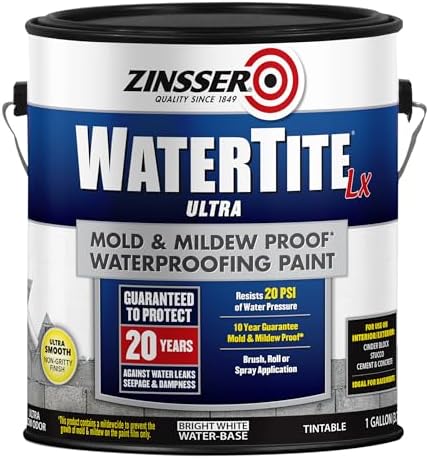
This is the most directly relevant choice here for basement walls. Its latex-based formula is designed as a waterproofing paint, and the product listing says it resists water pressure and is mold and mildew resistant. It has a smooth white finish and can be applied to dry walls with a brush or roller.
The key limitation is that waterproofing paint is not a substitute for finding and addressing the source of water. The product is described for application to dry walls, so do not treat it as a fix for a wall that is actively leaking or persistently wet. Follow the package directions for surface preparation and application, and check that the wall material and conditions are suitable.
Compared with the other options in this guide, WaterTite is the one to consider for a basement-protection project rather than covering a small scuff. Its white finish may also be less suitable if you want a specific decorative color or a finished-room look.
Pros:
- Purpose-made as a waterproofing paint for basement wall protection
- Latex-based formula with low odor and soap-and-water cleanup, according to the listing
- Designed to apply with a brush or roller
- Listed as mold and mildew resistant
Cons:
- Not a solution for active leaks or unresolved moisture problems
- White finish may not suit every room design
Verdict: Choose WaterTite if you need a basement-focused waterproofing coating for an appropriately prepared, dry wall—not simply a general-purpose paint for a damp surface.
2. VELXORA Matte Paint Kit for Minor Interior Refreshes

This water-based white matte paint is intended for interior walls, drywall, plaster, and ceilings. The kit includes a roller, brush, gloves, sandpaper, painter’s tape, and masking film, which can make a small refresh or patch job easier to set up without gathering as many supplies separately.
For a finished basement with dry, prepared drywall, it may work for touch-ups or a limited repaint. It is not presented as a waterproofing product, so it is not the right choice for stopping water intrusion or coating a damp masonry wall. The listing also advises using a compatible primer when the surface is new, porous, or heavily repaired.
The matte finish can help reduce shine, but a small container is better suited to repairs and smaller areas than painting a whole basement. As with any white paint, check the color and finish against the existing wall before relying on it for a seamless patch.
Pros:
- Matte finish for common interior surfaces such as drywall and plaster
- Includes several tools for basic preparation and application
- Water-based formula described as low odor
- Listing notes that primer can be used when the surface needs it
Cons:
- Not designed as a basement waterproofing coating
- White paint may not blend with an existing wall color or sheen
Verdict: Pick this kit for small repairs or a modest refresh on dry, prepared basement drywall, but choose a dedicated waterproofing product for moisture protection.
3. Galitoon Built-In Roller Paint for Wall Touch-Ups

Galitoon is a ready-to-use white wall paint kit intended for small repairs, including scuffs, scratches, stains, and other minor marks. Its built-in roller is designed to make spot application more convenient, and the water-based, low-odor formula is aimed at indoor use.
This format makes more sense for a few blemishes on an already painted basement wall than for coating an entire room. The product is described for flat walls and ceilings, but it is not identified as waterproofing paint. It also comes in white, so the repair may stand out if your wall has aged, tinted, or textured paint.
Compared with the VELXORA kit, Galitoon focuses on quick spot repairs and includes an integrated roller rather than a range of separate prep tools. That convenience is useful for small jobs, but it does not replace the broader supplies or surface-specific coating you may need for a larger basement project.
Pros:
- Built-in roller simplifies small touch-up jobs
- Water-based formula described as low odor
- Intended to cover everyday marks and minor wall blemishes
- Ready to use without assembling a larger paint setup
Cons:
- Not a waterproofing paint for basement moisture protection
- White touch-up paint may not match the existing wall finish
Verdict: Choose Galitoon for a handful of small marks on a dry, white-painted wall; skip it for full-room painting or water-management needs.
4. Nozerix Compact Roller Paint for Small Repairs

Nozerix is a small-format white touch-up paint kit with a roller, a removable washable cover, and two pieces of sandpaper. The listing describes it as water-based and low odor and says it can be used on several indoor and outdoor wall and ceiling surfaces. Its compact size makes it most practical for localized repairs rather than a large basement wall.
The roller and included sandpaper may help with basic spot preparation and application, but the product is not described as a waterproofing coating. It is therefore not a substitute for a basement product intended to resist water. For the best chance of a neat repair, use it only on a compatible, clean surface and check whether its white shade and finish suit the surrounding paint.
Compared with Galitoon, Nozerix also centers on touch-ups but includes a washable roller cover and sandpaper. Neither is the stronger choice for painting a large area or dealing with basement moisture; their value is in keeping a small repair kit on hand.
Pros:
- Compact kit with roller and sandpaper for small repair work
- Water-based formula described as low odor
- Removable roller cover is described as washable
- Listing says it suits a range of wall and ceiling surfaces
Cons:
- Small size is not suited to painting an entire basement
- Not identified as a waterproofing or mold-resistant basement coating
Verdict: Nozerix is a practical option for occasional minor touch-ups, but look elsewhere for a full-room finish or moisture protection.
How to Choose Paint for Basement Walls
Start by identifying the wall material
Paint made for drywall may not be right for bare concrete or masonry. Check the product label for the surfaces it supports, and do not assume that an interior wall paint will adhere or perform well on every basement wall. If the wall is already painted, confirm that the new coating is compatible with the existing surface.
Find and address moisture first
Before painting, look for signs of water intrusion, dampness, or recurring mold and mildew. Paint can change the surface appearance, but it does not repair a leak or correct the source of moisture. The waterproofing option in this guide is described for dry walls, so follow its preparation directions and address ongoing water problems before applying any coating.
Choose between waterproofing and decorative paint
A basement-focused waterproofing paint serves a different purpose from ordinary interior paint. If your main goal is moisture protection, choose a product specifically labeled for that use and suitable for your wall. If the basement is dry and finished, a compatible interior wall paint may be enough for a cosmetic refresh. Touch-up kits are best kept to small marks and patches.
Consider the size of the job
Small roller kits can be handy for scratches and scuffs, but their limited quantity makes them a poor fit for covering a whole room. For a large surface, compare the amount of paint needed with the package coverage information and follow the product directions. The paint amount and coverage details should be confirmed on the listing or container rather than guessed.
Think about finish and color matching
Matte paint has less shine than glossier finishes, but sheen and color differences can make a patch visible. White is not a single universal shade, and existing paint can change in appearance over time. Test the paint in a small, inconspicuous spot before covering a prominent area.
Prepare the surface and use primer when needed
Remove loose material and clean the surface as directed by the paint maker. New, porous, or heavily repaired areas may need a compatible primer; the VELXORA listing specifically notes primer for surfaces that require it. Follow the label’s instructions for preparation, application, drying, and ventilation.
Frequently Asked Questions
What kind of paint is best for basement walls?
It depends on the wall and the goal. For a suitable, dry wall where waterproofing is needed, consider a product made for basement wall protection. For a dry, finished drywall surface, compatible interior paint may work for cosmetic painting. Always check the label for approved surfaces and conditions.
Can I paint over a damp basement wall?
Do not assume that paint will fix a damp wall. The featured waterproofing paint is described for dry walls, and applying paint over unresolved moisture may lead to poor results. Find and address the moisture source first, then follow the coating’s preparation instructions.
Will waterproofing paint stop an active basement leak?
It should not be treated as a guaranteed fix for an active leak. Paint does not repair a plumbing problem, drainage issue, or other source of water. Address the cause and check the product directions to determine whether the wall is an appropriate surface for the coating.
Can I use touch-up paint on all of my basement walls?
Touch-up kits are intended for small areas, not broad wall coverage. Their small format and white color may also make it hard to achieve a consistent appearance across a whole room. For a larger project, choose a paint product suited to the wall material and calculate how much is needed from the package information.
Do I need primer before painting basement walls?
Sometimes. New, porous, patched, or heavily repaired surfaces may need a compatible primer. Follow the paint maker’s instructions and make sure the primer is suitable for both the wall and the paint you plan to use.
How can I avoid a visible touch-up patch?
Match the paint color and sheen as closely as possible, prepare the area as directed, and test in a discreet spot first. Even white paints can look different beside older paint, so a small test can help you decide whether the match is acceptable.
Final Recommendation
For basement wall protection, Zinsser WaterTite is the clearest fit in this group because it is specifically described as waterproofing paint. Use it only on an appropriate, prepared, dry surface, and do not rely on paint to solve an active water problem. For small cosmetic repairs on dry, finished walls, the VELXORA, Galitoon, and Nozerix kits offer more convenient touch-up formats, but none is a replacement for a dedicated basement coating.
