
Choosing the best quality vinyl windows for new construction starts with matching the window style and size to your plans—not just picking a frame material. Vinyl can suit damp areas such as basements and bathrooms, while features like insulated glass, screens, and Low-E coatings affect comfort and day-to-day use. The five options below vary in size and opening style, so check the product dimensions and installation requirements against your plans before you buy.
Table of Contents
Quick Comparison
| Product | Style and size | Notable features | Best suited for |
|---|---|---|---|
| NOTASA Vinyl Basement Window | Horizontal slider, 36" x 24" | Double-pane tempered glass, screen, galvanized latches | Basements and bathrooms needing a sliding window |
| NOTASA Vinyl Single Hung Window | Single hung, 36" x 48" | Double-pane glass, tilt-in sash, rear drainage | Rooms needing a taller window and easier sash cleaning |
| Pro Windows Vinyl Hung Sliding Window | Single hung, 18" x 36" | Low-E glass, NFRC certification, fiberglass screen | Smaller openings where efficiency details matter |
| Park Ridge Products Vinyl Basement Slider | Horizontal slider, 32" x 22" | Welded vinyl sash and frame, insulated glass, removable screen | Basement projects needing a compact slider |
| JANASSE Vinyl Hopper Window | Top-inward-opening hopper; several listed sizes | Double-pane tempered glass, removable mesh screen | Basements and utility spaces needing controlled ventilation |
Our Picks: Best Quality Vinyl Windows For New Construction reviews
NOTASA 36" x 24" Vinyl Basement Window: A Practical Sliding Option
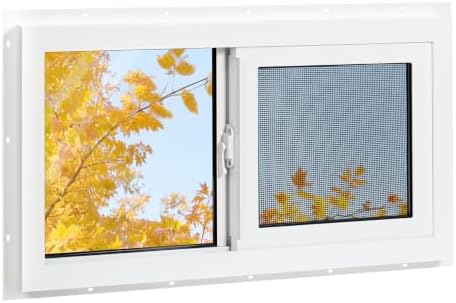
This NOTASA is a white vinyl horizontal slider sized 36 by 24 inches. Its sliding sash can be useful where there is not enough indoor or outdoor clearance for a window that swings open. The product is described for basement and bathroom use, making it a focused choice for smaller, moisture-prone spaces rather than a one-size-fits-all window for every room.
Double-pane tempered glass is intended to help with insulation and sound reduction, while the built-in screen lets you ventilate without leaving the opening unprotected from insects. Galvanized latches provide a way to secure the sash. The vinyl frame and PVC-coated steel tracks are described as corrosion-resistant, and the screen can be removed for cleaning.
The listed installation steps involve placing the unit in the opening, fastening it at the top, and filling gaps with foam sealant. That description does not replace a full installation plan: confirm the rough opening, flashing, drainage, and fastening details for your wall assembly before starting. The listing does not provide the glass energy ratings or a full set of installation specifications.
Pros:
- Horizontal sliding design needs little clearance to operate.
- Double-pane tempered glass and an included screen suit everyday basement or bathroom use.
- Removable screen and corrosion-resistant frame components are designed to simplify upkeep.
Cons:
- The listed 36" x 24" size may not match your planned rough opening.
- The supplied details do not include energy-performance ratings or complete flashing instructions.
Verdict: Choose this NOTASA slider if its dimensions fit your plan and you want a screened horizontal window for a basement or bathroom.
NOTASA 36" x 48" Single-Hung Window: A Taller, Tilt-In Design

This 36-by-48-inch NOTASA window uses a vertical single-hung design. It is a larger, taller option than the compact basement sliders in this group, and its opening style may suit a room where you want a conventional vertical sash. The product description says the sash tilts inward, which can make it easier to reach the outside glass for cleaning from indoors.
The window is described as having double-pane insulated glass, a screen, reinforced vinyl framing, and a rear drainage outlet intended to direct rainwater outside. Those are useful features to consider for a new build, but they do not establish a specific energy rating or confirm that the unit is suitable for every wall and exposure. Check the installation guide and performance details before specifying it.
Because this is a taller unit, accurate measurements and proper support during installation matter. The listing does not provide a complete rough-opening specification in the supplied product information. Confirm the size, installation method, and compatibility with your planned wall assembly before ordering. The supplied product data also marks its availability as uncertain, so check the listing before you make plans around it.
Pros:
- Tall single-hung format offers a different option from the short basement sliders.
- Tilt-in sash is designed to help with cleaning.
- Double-pane glass, a screen, and a rear drainage outlet are included features.
Cons:
- The listing does not provide a specific energy rating or full new-construction installation details.
- Confirm current availability and exact sizing before planning a project around this model.
Verdict: Consider this model if you need a taller single-hung window and can verify the opening size, installation requirements, and availability first.
Pro Windows 18" x 36" Single-Hung Window: Low-E Glass in a Compact Size

This Pro Windows model is an 18-by-36-inch vinyl single-hung window with a black finish. Its relatively narrow dimensions may suit a smaller planned opening, such as in a bathroom, basement, or shed. The listing also identifies it as an option for new construction, but you should still confirm that its installation details and measurements match your specific build.
Its key differentiator is Low-E glass. The product description says the coating helps reflect indoor heat in colder weather, reduce solar heat entering in warmer weather, and block harmful UV rays. It is also described as NFRC-certified, with the certification covering measures such as U-factor and solar heat gain coefficient. Check the product documentation for the specific figures and make sure they fit your climate and project needs.
The window includes a fiberglass screen and a latch lock, and its vinyl frame is described as low maintenance. Tempered glass is also listed. Compared with the other compact options here, this model offers more explicit energy-performance information, but the supplied details do not include a complete installation guide or specific performance figures.
Pros:
- Low-E glass and stated NFRC certification provide useful performance details to investigate.
- Compact 18" x 36" size may suit a smaller opening.
- Includes a fiberglass screen and latch lock.
- Vinyl construction is described as rust-resistant and low maintenance.
Cons:
- The narrow size will not fit many standard window openings.
- Specific NFRC performance figures and full installation instructions are not included in the supplied details.
Verdict: This is a strong option to investigate when you need a compact single-hung window and want Low-E glass with stated NFRC certification.
Park Ridge Products 32" x 22" Basement Slider: A Welded-Frame Choice

Park Ridge Products describes this 32-by-22-inch window as suitable for new construction or remodeling. It is a horizontal basement slider with an extruded, welded vinyl sash and main frame. The sash is designed to glide along the frame and interlock when closed, a construction detail intended to help create a weather-tight fit.
The product includes insulated glass, wool pile seals, and a full removable screen. The screen can help keep insects out when the window is open, while the insulated glass and seals are intended to reduce drafts. Its straightforward slider format may be a practical match for a basement opening where a swinging sash would be inconvenient.
This is one of the few options in the group whose description directly mentions new construction. Still, the listing calls it an aftermarket product, and the supplied information does not spell out rough-opening dimensions, energy ratings, or detailed flashing steps. Confirm those details and the fit with your plans before treating it as a complete new-build specification.
Pros:
- Product description explicitly lists new construction as a use.
- Welded vinyl frame and sash are designed for a close interlocking fit.
- Insulated glass, wool pile seals, and removable full screen are included.
Cons:
- The 32" x 22" dimensions limit it to openings that match its size.
- Specific energy ratings and detailed installation instructions are not included in the supplied information.
Verdict: Choose this Park Ridge slider if you want a compact basement window specifically described for new construction and can confirm its installation details for your project.
JANASSE Vinyl Hopper Window: Top-Inward Ventilation for Basements

The JANASSE is a vinyl hopper window designed for basements, bathrooms, and utility spaces. Instead of sliding sideways or vertically, its sash opens inward from the top. That layout can provide controlled ventilation in a compact area, but you will need to make sure there is enough room inside for the sash to open.
The listing describes double-pane insulated tempered glass, a removable mesh screen, and a vinyl frame intended to resist moisture, rust, corrosion, peeling, and warping. It lists several size options, including 32-by-14, 32-by-16, 32-by-18, and 36-by-16 inches. Select a size only after checking the product listing and comparing the actual unit dimensions with your planned opening.
A hopper can be useful when a horizontal slider is not the right fit, but its inward-opening motion may not work in every room layout. The supplied product information does not include energy-performance ratings or full new-construction installation details. Check those points before choosing it for a project, and confirm availability before ordering.
Pros:
- Top-inward opening provides a different ventilation style from the slider and single-hung options.
- Several listed sizes make it easier to compare against smaller openings.
- Double-pane tempered glass and a removable screen are included features.
- Vinyl frame is described as suitable for moisture-prone areas.
Cons:
- The inward-opening sash needs clear space inside the room.
- Availability, energy ratings, and complete installation specifications should be verified.
Verdict: Consider the JANASSE hopper if you need a compact basement or bathroom window with top-inward ventilation and have confirmed the opening size and clearance.
How to Choose a Vinyl Window for New Construction
Measure the planned opening, not just the product name
Window dimensions can refer to the unit size rather than the rough opening needed in the wall. Before ordering, check the manufacturer’s installation instructions for the required rough-opening size, clearances, and fastening points. Compare those figures with your framing plans, and do not assume that two windows with similar listed dimensions will install the same way.
Choose an opening style that works in the room
Horizontal sliders open side to side and generally need little clearance around the window. Single-hung windows open vertically, while hopper windows tilt inward from the top. Consider how you plan to ventilate the room, where furniture or fixtures will sit, and whether the sash will have enough room to operate. A style that suits a basement may not be the best choice for every room.
Check glass and energy-performance information
Double-pane glass is listed on several of these models, and one product also identifies Low-E glass and NFRC certification. Those descriptions are useful starting points, but they are not a substitute for the unit’s exact U-factor and solar heat gain coefficient. Look for documented performance values and compare them with your climate, orientation, and local requirements before selecting a window.
Plan for water management and installation
A new-construction window must work with the wall’s flashing, drainage, and exterior finish. One listing describes a rear drainage outlet, while another gives basic steps involving screws and foam sealant. These details alone do not show how the window should be integrated into your wall assembly. Follow the manufacturer’s full instructions and confirm the installation approach with your builder or qualified installer.
Match the frame and finish to the location
Vinyl frames are described across these products as low maintenance and resistant to moisture or corrosion. That can make them appealing for basements and bathrooms, but check the specific product’s construction details and finish. Consider whether the listed color, frame design, glass, and screen meet the needs of the room and the look of your build.
Compare included screens, locks, and cleaning features
These windows vary in their screens, latches, and cleaning features. Some include removable screens, one has a tilt-in sash, and some listings describe locks or latches. Think about how often you expect to open the window, whether you need easy access to clean the glass, and what level of ventilation and security suits the space.
Frequently Asked Questions
Are vinyl windows a good choice for new construction?
Vinyl can be a practical frame material, especially in damp areas, and several products here describe moisture-resistant or corrosion-resistant construction. The best choice depends on the window’s documented performance, fit, installation details, and compatibility with your wall assembly.
Which window in this list is specifically described for new construction?
The Park Ridge Products basement slider is explicitly described for new construction or remodeling. The Pro Windows model is also described as suitable for new installations. For any option, confirm the manufacturer’s installation instructions and rough-opening requirements for your project.
What is the difference between a slider, a single-hung window, and a hopper?
A horizontal slider opens from side to side. A single-hung window opens vertically, with one sash moving up or down. A hopper opens inward from the top. Each style has different clearance and ventilation needs, so choose one that works with your room layout.
Does double-pane glass guarantee a particular energy rating?
No. Double-pane construction describes the number of glass panes, but it does not provide the exact energy performance of the whole window. Look for documented values such as U-factor and solar heat gain coefficient when comparing options.
How do I know which size to order?
Measure your planned rough opening and compare it with the product’s full installation specifications. The size in a product title may not match the rough-opening dimensions. If the information is unclear, confirm the required opening with the manufacturer or your installer before ordering.
Are these windows easy to install myself?
One listing gives simplified steps for placing and fastening the window, but new-construction installation also involves proper fit and water management. Use the manufacturer’s complete instructions, and consider a qualified installer if you are unsure about framing, flashing, or sealing.
Which option is best for a small basement opening?
That depends on the opening dimensions and the way you want the window to open. The Park Ridge and NOTASA models are horizontal sliders, while the JANASSE is a hopper. Compare the actual unit size and opening clearance with your plan before choosing.
Final Recommendation
For a compact basement slider specifically described for new construction, the Park Ridge Products 32" x 22" window is a sensible starting point, provided its dimensions and installation details match your plans. If documented energy-performance features are a priority, investigate the Pro Windows model and confirm its NFRC figures. In every case, verify the rough opening, performance specifications, and wall-installation requirements before ordering.
