
A toilet clog is usually best handled first with a flange plunger, used with steady strokes and enough water to cover the rubber cup. If you’re considering a drain opener instead, choose one whose label clearly says it is safe for toilets and follow its directions exactly. The options below include one product specifically described as toilet-safe and several multipurpose drain cleaners; for those, confirm toilet compatibility on the package before use.
Never mix drain cleaners with each other, bleach, or other household chemicals. If the bowl is close to overflowing, stop flushing. For a recurring clog, a suspected object, or a clog that will not clear with a plunger, a toilet auger or a plumber may be a better next step than adding chemicals.
Table of Contents
Quick Comparison
| Product | Best suited for | Key consideration |
|---|---|---|
| Green Gobbler Toilet-Safe Drain Opener | Shoppers seeking a drain opener described as safe for toilets | Follow the package directions; the supplied description gives limited use details |
| Crystal Lye Drain Opener | People considering a sodium hydroxide drain opener | Confirm toilet use on the label and handle lye with care |
| taakcc Pipeline Dredging Agent | Households looking for a multipurpose drain cleaner | Check the package for toilet compatibility and complete instructions |
| YOUSHEME Drain Clog Remover | Shoppers considering a liquid cleaner for several drain types | Its listed directions mention boiling water; do not pour boiling water into a toilet |
| Generic Pipeline Dredging Agent | People seeking a multipurpose drain-cleaning product | The supplied information does not identify its active ingredients |
Our Picks: Best Solution To Unclog Toilet reviews
Green Gobbler Toilet-Safe Drain Opener: The Clearest Toilet-Specific Option

Green Gobbler stands out in this group because its supplied product title specifically describes it as a drain opener safe to use in toilets. That makes it a more direct match for a toilet clog than general-purpose drain cleaners whose descriptions focus mainly on sinks, showers, or pipes.
The supplied information identifies the product as a powder, but does not provide detailed directions, an ingredient list, or a recommended wait time. Read the current package instructions before use, and do not assume a dose or method based on the product name alone. If a plunger is available, it is generally a sensible first step for an ordinary toilet clog.
This is the option to consider if you want a chemical product and want toilet use clearly stated in the supplied product information. It is not a substitute for a toilet auger when a solid object is lodged in the trap, and it may not solve a blockage farther down the drain line.
Pros:
- Described as safe for use in toilets
- Powder format, according to the supplied product information
- More directly aimed at toilet use than the multipurpose options here
Cons:
- The supplied description does not explain the application steps or active ingredients
- Not a mechanical tool for removing an object lodged in the toilet
Verdict: Consider Green Gobbler if you specifically want a drain opener identified for toilet use, but follow its package directions and try a plunger first for a typical clog.
Crystal Lye Drain Opener: A Caustic Option That Calls for Extra Care

This product is described as crystal lye containing sodium hydroxide. Its listing names sinks, showers, pipes, and toilets as possible uses, while the supplied product details emphasize dissolving hair, grease, food waste, and soap residue. Those are broad drain-cleaning claims, not a guarantee that it is suitable for every toilet or clog.
Sodium hydroxide is caustic, so handling matters. Read the full label, use the protective equipment it requires, keep the product away from children and pets, and avoid splashes. Do not combine it with another drain cleaner, bleach, or any other chemical. Before putting it in a toilet, confirm that the package directions specifically allow that use.
Compared with the other choices, this one is the most clearly identified by ingredient in the supplied data. That can help you understand what you are handling, but it also makes label compliance especially important. It is not the pick for anyone who prefers a mechanical approach or does not want to work with a caustic product.
Pros:
- The supplied information identifies sodium hydroxide as the ingredient
- The listing describes use across several types of drains
- The product information says it begins working on contact
Cons:
- Caustic lye requires careful handling and strict attention to the label
- Confirm toilet-specific directions before use
Verdict: Choose this only if you are comfortable handling lye and the package explicitly approves it for your toilet; otherwise, start with a plunger or a toilet-specific product.
taakcc Pipeline Dredging Agent: A Multipurpose Cleaner With Limited Detail
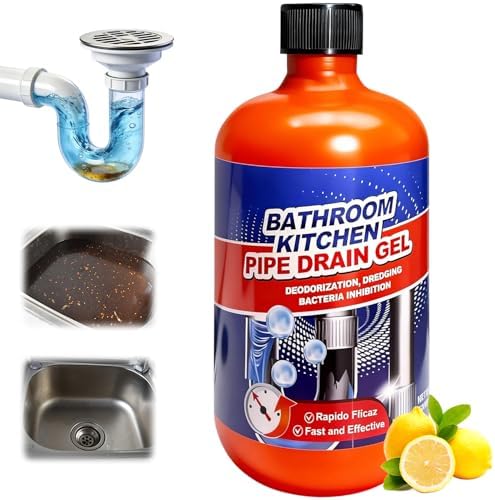
The taakcc Pipeline Dredging Agent is presented as a multipurpose drain cleaner for blockages involving materials such as food, grease, soap scum, hair, and paper. The supplied description lists toilets alongside sinks, washbasins, and floor drains, and says the product needs time to work.
The listing also describes the formula as safe for various materials and septic systems, but does not identify its ingredients or provide detailed application steps. Treat those as product claims, not a reason to skip the label. Before using it in a toilet, check the package for specific toilet directions, the amount to use, and any precautions for your plumbing or septic setup.
This could suit someone looking for one cleaner for several drain locations, but it is less clearly specified than the Green Gobbler option for toilet use. The lack of ingredient and dosing detail in the supplied information also makes it harder to judge whether it is a good match for a particular clog.
Pros:
- Described for use in several areas of the home, including toilets
- Targets a range of common clog materials in its product description
- Listing says to allow time for the cleaner to take effect
Cons:
- The supplied information does not name the active ingredients
- Detailed directions and toilet-specific precautions are not provided
Verdict: Consider this multipurpose option only after confirming toilet use, ingredients, and directions on its package; its supplied listing leaves important details unanswered.
YOUSHEME Drain Clog Remover: Read the Directions Carefully Before Use

YOUSHEME is marketed as a liquid drain clog remover for several blockages and drain locations, including toilets. Its supplied directions say to remove standing water, add cleaner, then pour in approximately 200 ml of boiling water and wait 10–15 minutes. That instruction deserves special attention: do not pour boiling water into a toilet bowl, since extreme heat can damage porcelain. Do not use these directions in a toilet unless the product label gives a toilet-safe method that does not call for boiling water.
The product description also mentions cleaning mineral deposits, rings, and stains in a toilet tank. That is a separate cleaning claim from clearing a bowl clog, so do not assume a tank-cleaning product or method will unclog the toilet. Check the label for the intended use, the proper application location, and any material or plumbing restrictions.
Among these picks, this one has more detailed supplied directions than several of the multipurpose alternatives, but the boiling-water step makes those directions a poor fit for a toilet as written. It may be more appropriate to consider for a compatible non-toilet drain if its package confirms the use and method.
Pros:
- Product information describes use for multiple drain types
- The supplied listing includes a wait time and application sequence
- Its description mentions toilet tank deposits and stains as a separate use
Cons:
- The listed boiling-water step should not be used in a toilet bowl
- The supplied information does not identify the active ingredients
Verdict: This is not a first-choice toilet unclogger based on the supplied directions; avoid the boiling-water step in a toilet and use only if the package provides a safe, toilet-specific method.
Generic Pipeline Dredging Agent: A Broad-Use Cleaner With Unclear Ingredients

This generic pipeline dredging agent is described as a multipurpose cleaner for hair, food waste, grease, soap scum, and paper. The supplied listing names sinks, toilets, floor drains, and sewer pipes as possible uses, and says the product takes time to work.
The description calls the formula safe for different materials and septic systems, but does not list the ingredients, a dose, or a wait time. That makes the package label especially important. Confirm it is meant for toilets, check whether it is compatible with your plumbing and septic system, and follow all safety instructions before use.
Its broad intended-use list may appeal to shoppers who want one product for multiple drains. Still, it provides less product-specific information than the toilet-focused Green Gobbler listing, and it cannot replace a plunger or auger when the clog is caused by a lodged object.
Pros:
- Described for several household drain locations, including toilets
- Targets several common clog materials in its product description
- Listing says to allow time for the cleaner to work
Cons:
- The supplied information does not identify its ingredients
- No specific dose or wait time is given in the supplied description
Verdict: This is a possible multipurpose option only if the label confirms toilet use and gives clear directions; choose a plunger or a more clearly specified product when certainty matters.
How to Choose a Toilet Unclogger
Start With the Type of Clog
A soft blockage from excess toilet paper may respond to a flange plunger. A toy, wipe, or other solid object may need a toilet auger or professional help instead. Chemical drain openers are not designed to retrieve objects, so think about what may have caused the clog before choosing a product.
Look for Clear Toilet-Specific Approval
Do not assume a cleaner meant for sinks or shower drains is safe for a toilet. Check the label for an explicit statement that it can be used in toilets, along with the required amount, wait time, and any flushing instructions. Product titles and broad marketing claims are not a substitute for the package directions.
Check the Ingredients and Safety Precautions
Some drain cleaners contain caustic ingredients, such as the sodium hydroxide identified in the crystal lye product above. Read the hazard information before opening a container, use the protective equipment listed, and keep the product away from children and pets. Never mix cleaners or add another chemical to a toilet that already contains drain opener.
Consider Your Plumbing and Septic System
If your home uses a septic system, check the product label for septic compatibility rather than relying only on a general claim. Also review any stated limits for pipes or plumbing materials. When the package does not provide enough detail, contact the manufacturer or choose a mechanical tool instead of guessing.
Pay Attention to Application Instructions
Use only the amount and method listed on the product label. Do not pour boiling water into a toilet bowl; the sharp temperature change can damage porcelain. If a product’s supplied directions appear to call for boiling water or another method that seems unsuitable for a toilet, do not improvise—look for toilet-specific directions or choose another approach.
Know When to Stop and Call for Help
Stop flushing if water is rising toward the rim. If a plunger does not clear the clog, avoid repeatedly adding chemicals. A toilet auger can help with some deeper blockages, while recurring clogs, multiple slow drains, or signs of a sewer-line problem may call for a plumber.
Frequently Asked Questions
What is the best first step for a clogged toilet?
For an ordinary clog, a flange plunger is often a sensible first step. It works mechanically and avoids introducing drain chemicals into the bowl. Use steady, controlled strokes and stop if the water level is close to overflowing.
Can I use any drain cleaner in a toilet?
No. Use a drain cleaner only when its package directions explicitly allow toilet use. A product intended for sinks or showers may have different instructions or restrictions.
Is lye safe to use in a toilet?
The crystal lye product in this list identifies sodium hydroxide, a caustic ingredient. Follow its package warnings and use it in a toilet only if the label clearly approves that use. Never mix lye with other cleaners or chemicals.
Can I pour boiling water into a clogged toilet?
No. Avoid boiling water in a toilet bowl because a sudden temperature change can damage the porcelain. Use a plunger, a toilet auger, or a product with toilet-specific directions instead.
What should I do if the toilet is about to overflow?
Stop flushing. If the bowl continues to rise, turn off the toilet’s water supply valve if you can reach it safely. Wait for the level to drop before attempting to clear the clog, and avoid adding chemicals while the bowl is near overflowing.
When should I call a plumber?
Call a plumber if the clog keeps returning, a plunger and suitable auger do not clear it, several drains are slow at the same time, or you suspect a solid object or sewer-line blockage. Repeated chemical treatments may not address the underlying cause.
Final Recommendation
For a typical toilet clog, start with a flange plunger and move to a toilet auger if needed. If you want a chemical option from this list, Green Gobbler is the clearest match in the supplied information because it is specifically described as safe for toilets. For every product, follow the package directions, confirm toilet compatibility, and never mix drain cleaners or use boiling water in the bowl.
