Yes, but a scale only guides your daily choices. Learning whether a bathroom scale can help you lose weight shows that the device itself burns zero calories. The reading drops in value fast if stepping on the glass triggers panic or bingeing instead of steady habits. Put your scale on a hard, flat floor right now so it’s ready for tomorrow morning.
Table of Contents
When a bathroom scale helps you lose weight

Your current mindset and health history determine whether stepping on a scale helps or hurts.
| Your situation | Answer | Why |
|---|---|---|
| Wanting weekly feedback on diet changes | Yes | Shows clear trends over several weeks |
| History of an eating disorder | No | Triggers harmful food restriction and anxiety |
| Lifting weights to build new muscle | Yes, but | Muscle gain masks normal fat loss |
| Stressed by normal daily water shifts | No | Normal body shifts create false panic |
| Needing accountability for a doctor plan | Yes | Keeps records clear for clinical visits |
The daily feedback loop
Daily weigh-ins work by showing you the immediate link between yesterday’s choices and today’s numbers. Stepping on the platform every morning turns an invisible process into clear data you can act on. According to a long-term trial published by the National Institutes of Health, people who weigh themselves daily lose more weight and keep it off better than those who step on the platform rarely. Regular numbers stop small weekend gains before they grow into large setbacks.
The device does have a trade-off: you gain accountability, but you must tolerate normal body weight swings from sodium and water. If you want steady accountability, choose daily weigh-ins; if daily swings ruin your mood, switch to checking once a week.
How to track your weight correctly
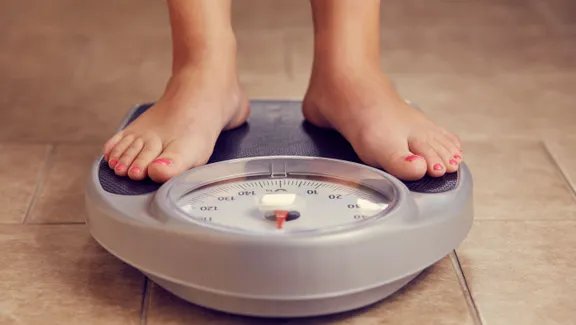
- Place the base on hard flooring. Set the feet on tile or wood rather than soft carpet so the sensors stay completely balanced.
- Step on first thing in the morning. Check your body right after using the bathroom and before drinking water, which ensures clean numbers.
- Log the digits into an app or notebook. Write down the morning number immediately so you can look at weekly averages instead of one day.
- Compare weekly averages instead of single days. Add seven days of numbers together and divide by seven to confirm your true path.
- Adjust food portions based on the two-week line. Cut extra bites if the average stays flat across fourteen straight days.
This routine isn’t for anyone who skips meals whenever the morning reading goes up by a single pound.
The mistake of chasing daily drops
Reacting to daily number jumps is the biggest error people make with a scale. A heavy dinner with salt can easily hold two pounds of water by morning, which doesn’t mean you gained real body fat. Panicking over that fake gain causes people to cut calories too low, which often leads to overeating by nightfall. This mistake varies by model — check the label on your unit for its sensor margin, because even good home tools drift by half a pound. Look at your seven-day average every Sunday morning to avoid this trap.
When to stop and get help
- The morning number controls your food choices all day, which points to disordered eating patterns that need professional care.
- Your body weight drops fast without any changes to your diet or exercise, which requires testing by a physician.
- Stepping on the platform causes severe anxiety or tears, which means you should talk to a licensed mental health counselor.
- You need an exact clinical measurement of bone density or lean tissue, which requires a DEXA scan technician rather than a home tool.
A registered dietitian or doctor must take over whenever numbers cause mental distress or physical illness.
Frequently asked questions

Can stepping on a scale every day cause stress?
Yes. Watching daily water shifts can cause stress if you expect the number to drop every single morning. Focusing on the overall weekly trend prevents this frustration.
Why does weight go up after a hard workout?
Trained muscles hold extra water to repair small tissue tears after hard exercise. This normal swelling adds water weight on the glass plate for a few days.
Does a digital scale show body fat accurately?
No. Home units use electrical signals that shift wildly based on how much water you drank recently. Check your manufacturer guide to see their stated error limits.
How long does it take to see real weight changes?
About two weeks of steady calorie habits will reveal a true drop on your home monitor. Daily changes before that mark are mostly water, sodium, and digesting food.
Is it safe to weigh yourself multiple times a day?
No. Your body shifts weight throughout the day from food, water, and sweat without losing or gaining body fat. Stepping on the base once each morning is enough.
What happens if you use a scale on thick carpet?
The unit gives a falsely low reading because carpet fibers push against the bottom casing instead of the foot sensors. Keep the platform on level tile.
What to do next
Set your scale on a hard, level floor tonight so it’s ready for your morning check. Look for a steady downward trend in your weekly average over the next two to four weeks. Stop using the device and consult a doctor if the morning reading causes severe anxiety or extreme food restriction.
Related guides
- Bathroom Sink Stopper Replacement: A Simple DIY Guide
- Bathroom Light Fixtures Over Mirror: The Complete Guide
- Do Small Bathroom Mirrors Really Make a Room Look Bigger