A 33-quart pot holds 9 standard one-quart jars or up to 14 pint jars in a single layer, making this 33 qt water bath canner the ultimate guide and review the breakdown you need for large-batch preserving at home. This review covers burner limits, real water weights, batch timing, and safety thresholds that short product descriptions leave out.
Table of Contents
Choosing the ultimate water bath canner
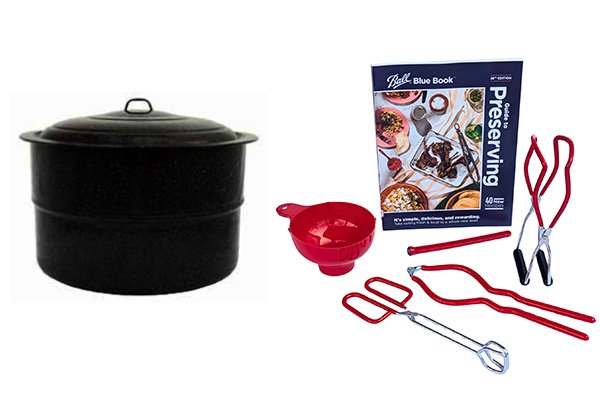
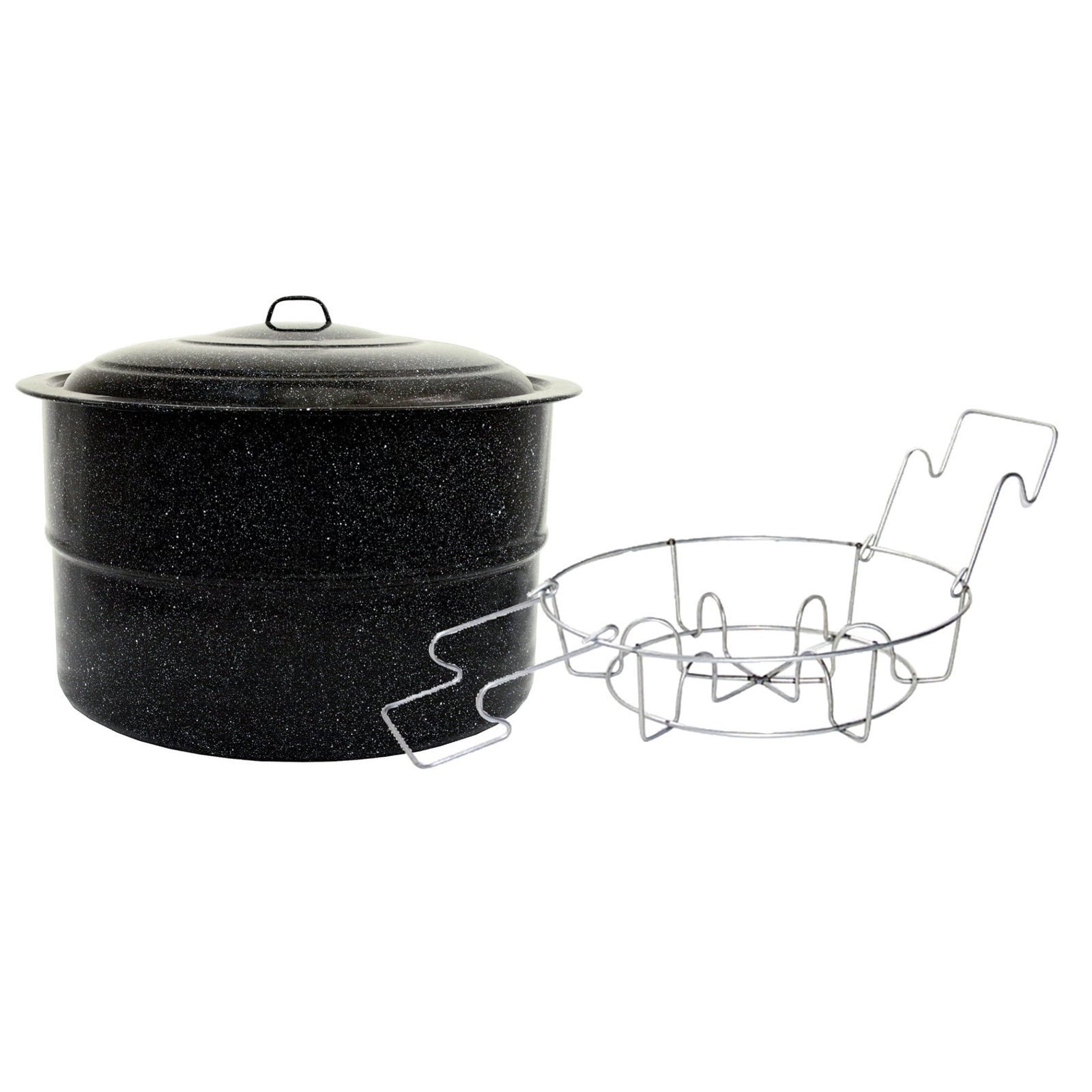
This piece of cookware is an extra-large stockpot fitted with a bottom rack, built specifically to process high-acid foods at 212°F. Gardeners and homesteaders use it to preserve jams, whole tomatoes, pickles, and fruit juices in standard Mason jars. A common misconception is that its huge size lets you safely process low-acid foods like green beans, meats, or soups. That isn’t true. High-acid foods keep safely because their natural acid prevents bacterial spores from growing, while the boiling water bath only needs to kill molds, yeasts, and active bacteria.
The pot works by surrounding submerged jars with rolling boiling water to heat the food completely through. This physical heat transfer forces oxygen out past the two-piece metal lid, creating a vacuum seal as the contents cool down. If you need to preserve low-acid vegetables or animal proteins, you must use a dedicated pressure canner instead of a water bath pot.
The basic method
- Place the metal wire rack flat at the bottom of the 33-quart pot so jars don’t touch the direct base.
- Pour clean water into the pot until it’s about halfway full, then set the heat to medium-high to warm the water.
- Pack your prepared hot foods into clean, warm jars, leaving the headspace your recipe requires (usually 1/2 inch for fruit and pickles).
- Wipe the jar rims with a clean, damp cloth, place the flat lids on top, and screw the metal bands down fingertip-tight.
- Lower the filled jars onto the rack using a jar lifter, keeping them upright without tilting.
- Add extra boiling water from a kettle until the water level sits 1 to 2 inches above the jar lids.
- Cover the pot with the lid, bring the water to a full rolling boil, and start your recipe timer only after that boil begins.
- Turn off the heat when the time is up, remove the pot lid, and let the jars rest in the water for 5 minutes before lifting them straight out onto a towel.
The single judgement call that makes or breaks your batch is reading the boil correctly. If the water stops boiling, bring it back to a boil and restart the processing time. Anyone planning to preserve meats, seafood, or plain vegetables without high acidity must not use this equipment; consult the local university extension office for certified pressure-canning classes.
Key numbers and settings at a glance
Water volumes and heating limits change based on how many jars you load into the pot.
| Situation | What to use | How long | What to watch for |
|---|---|---|---|
| 9 Quart jars of crushed tomatoes | Full 33-quart pot with rack | 45 minutes at sea level | Maintain continuous rolling boil |
| 14 Pint jars of fruit jam | Bottom rack, tightly spaced | 10 to 15 minutes | Jars rattling against sides |
| High altitude (1,001 to 3,000 ft) | Tested acidic recipe | Add 5 minutes to processing | Slower return to a full boil |
| High altitude (3,001 to 6,000 ft) | Tested acidic recipe | Add 10 minutes to processing | Rapid water evaporation |
What separates good results from bad ones
Temperature control and head pressure
Experienced preservers manage water temperature before the jars ever touch the pot. To avoid thermal shock, ensure jars are pre-warmed and the water in the canner is hot before adding jars. A full 33-quart pot weighs over 70 pounds when filled with water and jars. Moving it while hot is dangerous, so fill it right on your cooking grate using a clean pitcher, and siphon or ladle the water out after it cools.
Handling after the boil
Never tilt jars to dump water off their flat tops when lifting them out of the canner. That rinse water is harmless and evaporates quickly, but tipping the jar lets unsterilized food liquid slip under the warm rubber gasket. Place jars on a thick towel with at least one inch of air space around each. Leave the screw bands untouched for a full 12 to 24 hours; tightening them while the compound is warm ruins the seal.
Common problems and quick fixes
A giant pot behaves differently on household burners than standard kitchen cookware does.
| What you notice | What it usually means | What to do first |
|---|---|---|
| Burner won’t keep a rolling boil | Pot base is wider than heating element | Put the lid on and raise burner to maximum |
| Water turns cloudy during boiling | Food siphoned out past the lid | Check for loose bands on the next batch |
| Jars floating off the rack | Trapped air pockets inside the jars | Remove air bubbles before capping |
| Lids buckle or warp after cooling | Bands were screwed down too tightly | Apply lids only fingertip-tight next round |
Safe canning standards and heat rules
Preserving food safely requires following precise processing guidelines. The National Center for Home Food Preservation guidance establishes that water must stay at or above 212°F throughout the processing cycle for high-acid goods. This temperature destroys molds and enzymes, but it can’t destroy Clostridium botulinum spores, which survive up to 240°F. If you can low-acid foods without pressure equipment, you risk fatal botulism poisoning.
Household glass smooth-top ranges often feature internal thermal limiters that shut down when covered by oversized pans. A 33-quart vessel extends far beyond standard burners, which traps heat and can crack a glass cooktop. Check your stove manual for pan size limits before use.
Cleaning and storing the vessel
Empty the pot completely once the water cools to room temperature. Mineral scale from hard tap water often leaves a cloudy white ring along the inner aluminum or steel walls. Wipe this clean using a sponge soaked in equal parts warm water and white distilled vinegar. Dry the interior with a clean towel immediately to stop pitting.
Store the pot in a dry pantry or cabinet with the lid off or inverted. Storing it tightly closed can trap residual humidity, which produces musty odors and oxidizes the metal. Inspect the wire canning rack before each season; replace it if you notice deep rust spots that can weaken the frame under heavy quart jars.
When to use a different approach
This massive canner isn’t right for small projects. If you’re processing only two or three jars of strawberry jam, heating eight gallons of water wastes substantial energy and time; use a standard 12-quart stockpot instead.
This approach is also the wrong choice for anyone preserving meats, broths, beans, or unpickled corn. These items lack the high acid needed for boiling-water safety and require a certified pressure canner. Finally, this pot isn’t for homes with small glass-top stoves, as the extreme weight can shatter the cooktop.
Frequently asked questions
Can you use a 33 qt water bath canner on a glass stove?
No, most smooth glass cooktops can’t support this pot. A filled 33-quart pot weighs over 70 pounds, which risks cracking the glass surface. The massive diameter also traps excessive heat, triggering safety shut-offs on many modern domestic ranges.
Is it safe to double stack pint jars inside?
The bottom jars must not support the direct weight of the upper jars, and water must still cover the top lids by at least one inch.
Why do jar lids fail to seal after processing?
Lids fail to seal when food residue coats the rim, bands are applied too loosely, or the jars cool in drafty air. Chipped glass rims and removing jars before the resting period also disrupt the sealing compound.
How long does a 33 qt canner take to boil?
A 33-quart canner takes between 35 and 55 minutes to reach a rolling boil from tap temperature. This assumes an outdoor propane burner or high-output commercial stove; standard home burners will take considerably longer.
What happens if the water stops boiling during canning?
You must bring the water back to a full rolling boil and restart your processing timer completely from the beginning. Dropping below 212°F ruins the processing required to safely can the contents.
Can you pressure can inside this pot?
No, you can’t pressure can in this pot. A water bath canner lacks a locking lid, sealing gasket, and pressure regulator, meaning it can’t reach temperatures above the standard boiling point of water.
Final Thoughts
Choosing the right equipment makes your kitchen feel more capable, and you’ll find that large-batch preserving becomes much smoother once you’re comfortable with your setup. Don’t let your new pot sit in the cupboard; pick a simple recipe today and get started. You’re going to love having a pantry full of home-canned goods.
Related guides