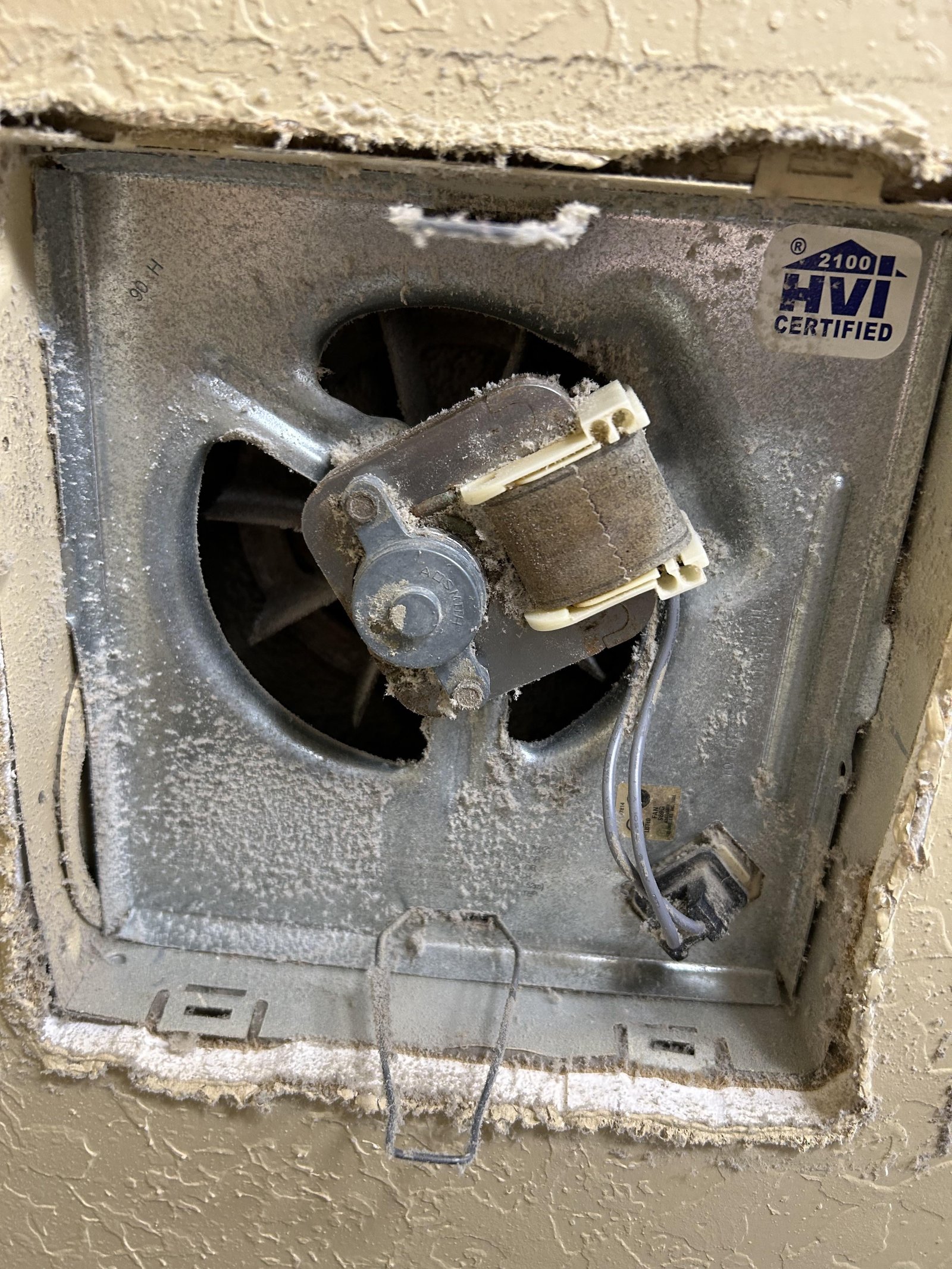
A thick layer of dust on the cover grille is the usual reason for a bathroom fan not working well, causing weak airflow in most homes. Turn on the fan and hold a single square of toilet paper flat against the grille. If the suction doesn’t hold the paper in place, air can’t move freely through the housing.
Table of Contents
Why your bathroom fan isn’t working well

| Cause | How common | How to confirm it | Fix it yourself? |
|---|---|---|---|
| Clogged grille and blades | Most common | Visual dust buildup on vent slots | Yes |
| Blocked exterior flapper | Common | Flapper stays shut when fan runs | Yes with care |
| No makeup air supply | Common | Fan pulls paper only when door opens | Yes |
| Disconnected exhaust duct | Less common | Air blows into attic space | Yes with care |
| Undersized fan unit | Less common | Mirror fogs despite clean, spinning fan | No |
| Worn-out motor assembly | Least common | Motor hums loudly without spinning freely | No |
Dust buildup on the grille and blower wheel
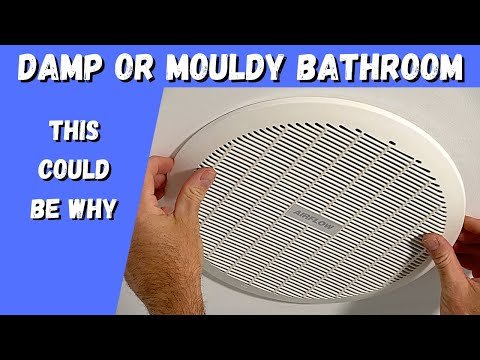
Lint and damp hair coat the plastic intake cover, choking airflow into the motor housing. Because moisture makes household dust clump together, the vent openings plug up quickly. The confirming test takes 10 seconds: turn the fan switch on and place one square of toilet paper against the cover. If the sheet drops to the floor, airflow has stalled.
To clean it, shut off the wall switch first. Pull the plastic cover straight down about two inches until you see metal wire spring clips on both sides. Squeeze those spring legs toward each other to slide the cover free from the housing slots. Wash the grille in your sink using warm water and a soft rag, then let it dry for 15 minutes. Use a vacuum hose with a brush attachment to gently clear the dust from the blower wheel inside the housing. This simple fix takes about 20 minutes and costs nothing beyond your normal cleaning supplies. A decision rule: if dust flakes off when you tap the cover, do A: clean the unit right now; if the motor buzzes with no air moving through a clean grille, do B: prepare to replace the motor assembly.
A stuck exterior damper or exit vent
A mechanical damper that fails to swing open will block outgoing air even if the motor runs at full speed. You can tell this problem apart from dust buildup because a clean grille still fails the toilet paper hold test while running. Bathroom exhaust vents lead outside through a wall hood, a soffit panel, or a roof cap. Each style features a light flap that opens outward under air pressure to stop wind and pests from coming inside.
Inspect the outside exhaust hood on your exterior wall while a helper turns the wall switch on. If the plastic or metal flap stays shut, dead insects, bird nests, or built-up lint are wedging it closed. You can clear foreign debris with your fingers or a stiff bottle brush, taking roughly 15 minutes. The ENERGY STAR bathroom exhaust fan guidelines explain that backdraft dampers must open freely to protect indoor air quality and prevent structural moisture damage. If the exhaust terminates on a steep roofline, hire a licensed contractor instead of climbing a ladder yourself, because roof falls cause severe injuries.
Lack of bathroom makeup air
An exhaust fan can’t push humid air out if fresh replacement air can’t enter the room. In tightly sealed modern bathrooms, closing the door completely creates negative pressure that stops the blower from moving air efficiently. The quick check is simple: run the fan with the door closed and hold your toilet paper test sheet to the grille; then open the bathroom door three inches. If the paper suddenly sticks firmly to the vent only when the door cracks open, your bathroom lacks makeup air.
Standard interior doors need a clearance gap of at least 3/4 inch between the bottom edge of the door and the finished flooring. A common mistake people actually make is installing thick carpet or a large throw rug directly under the door sweep, which blocks the makeup air path and leaves the fan fighting trapped air pressure. Fix this issue by keeping the bathroom door slightly cracked during long showers, or trim the bottom edge of the door slab with a handsaw to restore the opening.
The less likely causes
- A collapsed or disconnected flex duct blows warm, moist air directly into the attic instead of outside, which you can spot by feeling damp air or spotting water stains around the ceiling drywall.
- An undersized fan can’t handle the room volume, which you can verify by checking the air delivery rating on the housing sticker against the room’s square footage.
- A dying motor hums without turning the fan wheel, signaled by an oily electrical smell or a motor body that feels hot through the ceiling.
- Damaged roof flashing around the terminal vent lets rainwater enter the ducting, leaving pooled water inside the blower body.
- When a fix requires running new ductwork through an attic, accessing a roof slope, or replacing internal wiring behind the drywall, stop and call a licensed electrician or HVAC technician.
What a fix usually involves
A dirty grille needs 20 minutes, a vacuum, and a bucket of warm water to fix. Clearing an accessible wall damper takes about 15 minutes with a brush. If you find a dead motor, buying a replacement blower assembly costs a fraction of buying a whole new system and takes about 30 minutes to swap out. A complete fan replacement costs substantially more than a simple motor insert, especially if an electrician must cut drywall or expand the ceiling opening. This repair isn’t for renters who don’t own the property or anyone uncomfortable standing on a stepladder. The honest limit of any fan rating varies by model—check the label inside the housing behind the grille to see your specific unit’s CFM airflow rating.
Frequently asked questions
Can a bathroom fan cause mold if it runs poorly?
Yes, poor ventilation leaves moisture trapped on walls and ceilings, which allows mold spores to grow on drywall and grout. Run the fan for at least 20 minutes after bathing to dry out the air.
Why does my bathroom fan sound loud but moves no air?
The blower wheel is likely coated in thick lint, or the exterior damper flap is jammed shut. When air can’t move out through the duct, turbulence builds inside the housing and creates a loud roaring sound.
How long does a bathroom exhaust fan usually last?
About 10 years under normal household use, assuming you clean the dust off the cover regularly. Humidity levels and daily run times change this lifespan, so check the manufacturer label inside the unit for service details.
Is it safe to leave a struggling bathroom fan turned on?
No, a motor that can’t spin freely builds heat quickly and can melt internal components. If the blades don’t spin or the unit hums loudly, leave the wall switch off until you can inspect the assembly.
What happens if the exhaust duct comes loose in the attic?
Warm shower steam blows directly onto raw attic wood and roof rafters, leading to hidden rot and mold growth. Secure the exhaust duct to the outer vent with metal foil tape instead of standard cloth tape.
Does the gap under the bathroom door really matter?
Yes, the fan can’t pull humid air out if fresh makeup air can’t enter beneath the door. The trade-off for private, draft-free door seals is weaker suction from the exhaust system above.
Final Thoughts
If the fan still struggles after you’ve cleaned the grille, there might be a blockage in the ductwork or a failing motor. You shouldn’t hesitate to call a professional if you’re uncomfortable working near electrical components. They’ll quickly spot the issue so your bathroom stays fresh and dry again.
Related guides