
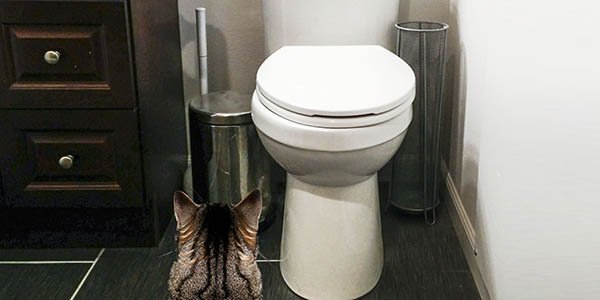
Weighing the pros and cons of training a cat to use toilet setups shows that sticking to a standard litter box is the best choice for most pet owners because it protects feline joint health and matches natural burying instincts. Moving to human plumbing wins only in tiny living quarters where litter dust causes severe human lung issues.
Table of Contents
Weighing the pros and cons of toilet training
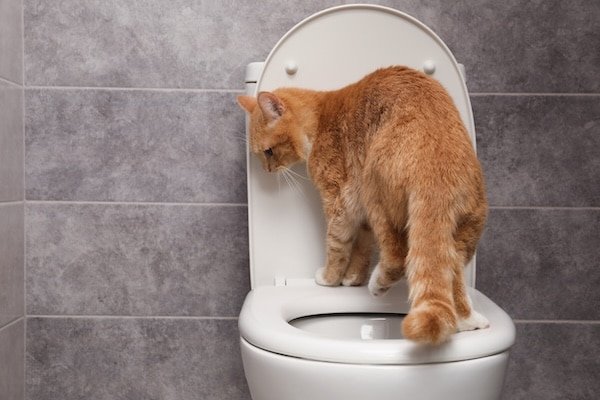
Owners usually pick between commercial training kits, homemade step-up cardboard trays, or traditional boxes.
| Method | How long | Effort | Cost | Best for |
|---|---|---|---|---|
| Commercial rim kit | 8 to 12 weeks | High | Medium | Young, agile cats |
| Homemade seat insert | 10 to 14 weeks | High | Low | Patient owners on a budget |
| Standard litter box | 1 to 2 days | Low | Low | Long-term feline health |
| Top-entry litter pan | 3 to 5 days | Low | Medium | Dogs sharing the home |
Commercial plastic training seat kits
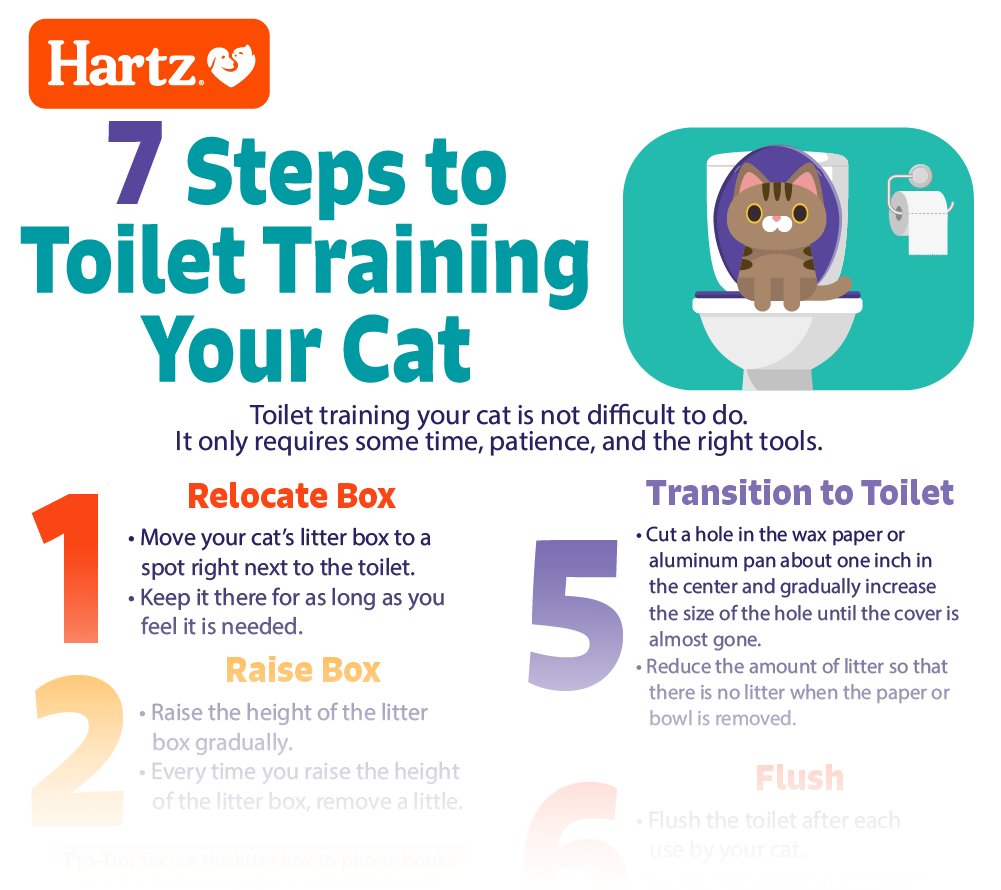
Commercial systems use rigid rings that fit directly under your regular toilet seat. Here is how you run this transition:
- Move your cat’s current litter pan right next to the toilet base for 7 days so the room becomes familiar.
- Raise the pan gradually on phone books or wooden blocks by 3 inches regularly until it matches bowl height.
- Replace the box with the plastic kit placed over the porcelain rim, filled with flushable litter.
- Cut out one pre-scored ring from the pan every 2 to 3 weeks as your pet learns to balance on the rim.
- Remove the tray completely once the final opening exposes the bare water bowl.
These plastic kits create a rigid, stable surface that doesn’t bend under normal body weight. They let you step down litter quantities slowly, which helps an animal adapt. The major weakness is sudden fear: if the animal slips into the cold water once, it might refuse the entire room.
Homemade cardboard and bowl method
This path relies on common household items to build an adjustable transition platform.
- Tape a firm roasting tin or plastic bowl under the toilet seat hinges so it hangs securely inside the bowl.
- Pour 1 cup of litter into the pan daily so the animal has enough material to cover its waste.
- Cut a hole the size of a coin in the center after 14 days of successful daily visits.
- Widen that hole by 0.5 inches each week using kitchen shears while keeping the outer edges taped down firmly.
This system saves you from buying plastic kits that end up in the trash later. It also lets you control the widening speed down to the exact millimeter. The real downside is structural failure; cardboard softens fast when wet, and a torn tray creates an expensive plumbing mess.
Standard low-sided litter pan
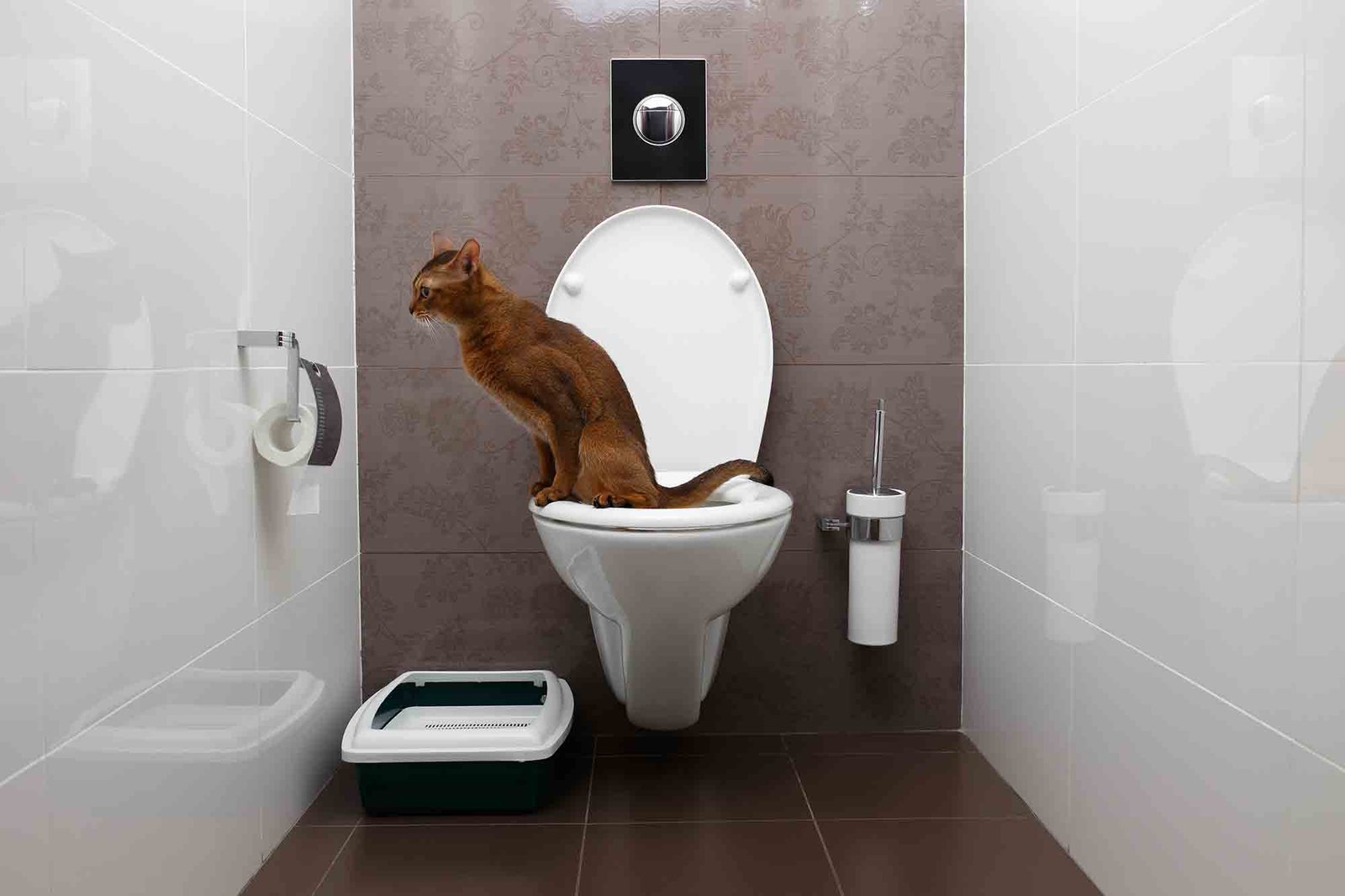
Keeping the traditional tray preserves natural behaviors and avoids toilet training entirely.
- Place an open plastic pan with 3-inch sides in a quiet, low-traffic corner away from appliances.
- Pour non-clumping or clumping clay litter until it reaches a depth of 2 inches.
- Scoop out solid waste and damp clumps whenever you notice it with a metal slotted scoop.
- Dump all material, wash the plastic with warm water and mild soap, and refill as part of your usual clean.
This approach gives your cat a soft substrate where it can dig, spin, and hide odors without stress. It prevents falls, hip strain, and bathroom anxiety. Its genuine weakness is daily cleaning effort and tracking litter grains across nearby floors. A fourth option, the top-entry litter box, keeps dogs out of the waste, but older felines with stiff knees can’t jump into it comfortably.
Which one should you use?
Your choice depends on your daily schedule, living space, and animal needs.
If you’re in a hurry, stay with the standard litter pan. Any toilet-based method takes months of careful ring adjustments, while a standard box works on the very first day.
If you’re doing this for the first time, use a commercial plastic kit rather than homemade pans. The molded plastic rings snap securely into the rim, so you don’t risk a tray collapsing under your animal.
If you want the best possible result whatever it takes, choose a quality open litter box. You trade away dirty pan scooping, but you give your pet safety from joint injuries and prevent hidden urinary issues. This choice isn’t for households with cats older than 8 years or pets diagnosed with arthritis.
The rules that apply whichever way you choose
A decision rule helps your daily care: if your cat paws the smooth rim without eliminating, step back one ring level; if it uses the center smoothly, hold that stage for two weeks.
Never flush feline waste down domestic drains. Feline feces can carry Toxoplasma gondii, an egg-forming parasite that survives municipal water treatments and harms marine wildlife, as documented by the California Department of Fish and Wildlife marine health advisories.
Normal cat stance: four paws flat in soft dirt. Toilet stance: curved spine, tight grip on plastic.
Prepare the room by propping the bathroom door open with a heavy wedge so it never swings shut. Partway through, check that the toilet lid never gets closed by guests. At the end, wash your hands thoroughly after handling any equipment. If your animal stops urinating for 24 hours, stop the training immediately and see a licensed veterinarian.
Frequently asked questions
Can any cat learn to use a toilet?
No. Young kittens under six months can’t balance safely over open water, and senior cats with hip arthritis can’t hold the squatting posture. Success also varies by individual temperament—check the animal’s balance before attempting any training.
Why do cats fall into the bowl?
Cats fall because smooth porcelain rims offer no traction for claws. When the animal turns around to inspect its waste, its back paws slip easily on the slick, curved seat.
Is toilet training bad for a cat’s joints?
Yes. Squatting on a narrow rim puts unnatural loads on the animal’s spine, knees, and hips. Animals naturally prefer digging into soft substrate where all four paws stay level and flat on the ground.
What happens if you shut the bathroom door by accident?
Your cat will find an alternate spot nearby. It will typically soil your bath mats, bedding, or carpet within hours because it can’t reach its only assigned bathroom spot.
How long does training take?
Training takes about 2 to 3 months when done safely. Rushing through the ring stages faster than this leads directly to accidents outside the bowl and severe litter box avoidance.
Can two cats share one trained toilet?
No. Cats are territorial about elimination areas and won’t wait in line outside a closed door. One animal will inevitably claim the bathroom and chase the other away.
Final Thoughts
Ultimately, keeping a clean litter box is the kindest way to respect your cat’s natural habits. If you’re worried about odors or mess, try switching to a high-quality, dust-free litter instead. It’s a simple change that’ll keep your home fresh while ensuring your furry friend stays happy, healthy, and comfortable every day.






