Choosing a low flow water pump your ultimate guide for efficiency means selecting a unit rated under 3 gallons per minute (GPM) to cut power draw while keeping steady line pressure. Standard setups require professional electrical installation by a technician to ensure safe wiring and power management. This walkthrough explains sizing ratios, head pressure limits, electrical wiring demands, and leak diagnostics.
Table of Contents
Choosing the ultimate water pump for your flow
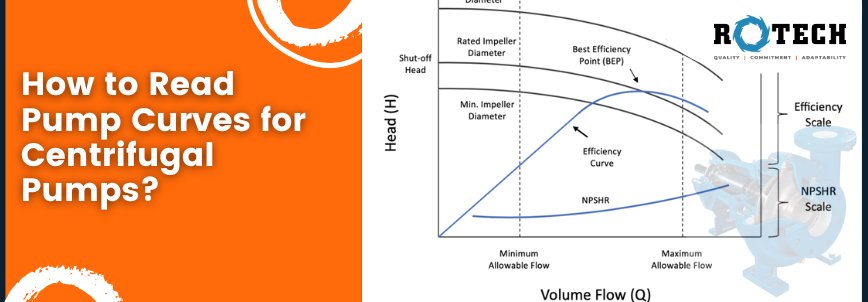
A low-flow unit moves liquid at modest speeds, usually between 0.5 and 3.0 GPM. These devices rely on positive displacement diaphragms or small centrifugal impellers to push water through narrow tubing. Off-grid homeowners, recreational vehicle owners, and greenhouse growers rely on them for steady delivery without draining batteries.
Many people believe a smaller pump always uses less total energy than a large one. That isn’t true if the motor runs continuously against excessive resistance. Instead, power efficiency depends on moving a fixed volume against system friction without generating excess heat. The diaphragm mechanism creates suction by flexing an internal membrane back and forth across a sealed chamber, allowing check valves to control direction. Centrifugal versions spin an impeller to create velocity. These units are built for clean fluids, so pushing heavy sediment ruins the seals quickly.
The basic method
- Turn off your electrical supply breaker and shut the water supply valve completely.
- Mount the pump base onto a solid wood or composite backer board using 4 rubber vibration dampener screws, tightening them just until the rubber compresses by roughly 1/16 inch.
- Thread a 50-mesh inline strainer directly onto the inlet port, ensuring a secure fit without over-tightening.
- Push 1/2-inch flexible reinforced tubing at least 3/4 inch over the barbed fittings, then secure each connection with one stainless steel hose clamp tightened to firm resistance.
- Connect the red positive wire to a 10-amp inline fuse holder, then run 14-gauge copper wire to your 12-volt battery terminal.
- Connect the black negative wire directly to your negative bus bar using a crimped ring terminal.
- Open the water supply valve, restore power, and open your furthest faucet for 60 seconds to purge trapped air from the lines.
The single judgement call that separates a good result from a bad one is matching your pipe diameter to the pump’s built-in pressure switch. If you fit narrow 1/4-inch lines directly onto a 45-PSI demand switch, the unit will rapidly cycle on and off, burning out the electrical contacts. If line installation involves tying directly into household high-voltage panels or municipal potable supplies, check local codes; those tasks require a licensed plumber or electrician.
Key numbers and settings at a glance
System performance shifts based on run distance, vertical lift, and pipe friction.
| Situation | What to use | How long | What to watch for |
|---|---|---|---|
| Camper sink tap | 1.2 GPM diaphragm pump (12V) | Run on demand (under 5 min) | Rapid cycling when tap is half open |
| Garden drip zone (20 emitters) | 2.0 GPM pump with pressure regulator | 30 to 45 minutes per cycle | Pressure creep over 30 PSI |
| Off-grid cabin shower | 3.0 GPM bypass-style diaphragm pump | 8 to 12 minutes per use | Flow drop when a second valve opens |
| Solar-powered livestock trough | 1.5 GPM submersible diaphragm pump | 2 to 4 hours of midday sun | Battery drain when sunlight fades |
| Small fish pond fountain | 2.5 GPM magnetic-drive centrifugal pump | Continuous (24 hours) | Intake screen clogging with algae |
What separates good results from bad ones
Experienced installers pay close attention to plumbing flexibility and inlet restriction. Rigid PVC pipe transmits motor vibration directly into wall studs, which creates a loud humming noise throughout the building. Connecting 18 inches of flexible braided hose to both ports absorbs mechanical movement before it rattles the pipes.
Another trade-off involves pump cycling versus continuous bypass running. Pressure-switch pumps shut down automatically when downstream valves close, saving electricity at the cost of switch wear. Bypass pumps keep the motor spinning while redirecting fluid internally, preserving switch life while using slightly more power. If your setup runs multiple tiny drip emitters, use an accumulator tank; if you only open one faucet fully, run a bare pressure switch.
A common mistake is skipping the pre-filter on the intake line. Fine sand grains will wedge beneath the internal rubber flappers within days. That small error costs an entire replacement pump head or hours of disassembly to clear debris. Always inspect the clear strainer bowl before turning the system on for the season, and leave factory pressure-switch screws alone unless you have an inline gauge attached.
Common problems and quick fixes
When a low-volume water system acts up, hydraulic airlocks and loose fittings are usually responsible.
| What you notice | What it usually means | What to do first |
|---|---|---|
| Motor buzzes but no water flows | Air lock inside the diaphragm chamber | Open the discharge line to release trapped air |
| Pump clicks on and off every two seconds | Downstream pipe friction is too high | Increase line diameter or add an accumulator tank |
| Water output drops gradually over days | Inlet filter mesh is choked with debris | Unscrew the strainer bowl and rinse the mesh |
| Motor runs constantly with faucets closed | Air leak on the suction side piping | Tighten intake clamps and check PTFE tape seals |
Codes and Energy Standards
Installing water equipment in living spaces falls under strict standards. Potable water components should be verified to ensure that plastic parts don’t leach harmful levels of lead or chemicals into your drinking supply.
Electrical runs on mobile vehicles and boats must follow standards published by the American Boat and Yacht Council (ABYC) or the National Fire Protection Association (NFPA). These rules require proper fuse sizing near the power source to stop wire fires. If an installation involves cutting into your home’s main distribution lines, you must follow the Uniform Plumbing Code (UPC), which often requires a backflow preventer. Handling line-voltage mains or commercial plumbing without a permit can void your home insurance policy, so hire a licensed professional for those connections.
Inspecting and Storing the Unit
Keep your pump clean to ensure it lasts for years. At the end of each warm season, flush 2 gallons of clean water through the system, followed by non-toxic plumbing antifreeze if temperatures dip below 32°F (0°C). Water left inside the valve housing freezes, expands, and cracks the plastic body overnight.
Check your wire terminals regularly for green corrosion or loose screws. You’ll know maintenance is due when the pump motor pitch sounds higher than usual or the flow rate takes twice as long to fill a one-gallon jug. This variation depends on water hardness—always check your manufacturer label for model-specific descaling limits.
When to use a different approach
This setup isn’t for high-volume needs like full-yard lawn sprinklers, multi-story home pressure boosting, or rapid pool drainage. A low-capacity diaphragm pump can’t deliver the 8 to 15 GPM that standard sprinkler zones demand.
If you must move water from a deep drilled well exceeding 25 feet of suction lift, switch to a deep-well submersible turbine pump instead. If you need to clear a flooded basement fast, rent a 2-inch gas-powered trash pump, which moves hundreds of gallons per minute rather than small sips.
Frequently asked questions

Can a low flow water pump run dry without damage?
No, running a diaphragm pump dry can cause the motor to overheat and damage the internal diaphragm and seals. However, running dry for more than 15 minutes heats up the internal valves, so turn the power switch off whenever your supply tank empties.
Why does my water pump pulsate during use?
Your pump pulsates because the faucet restriction matches the shut-off pressure threshold. The pressure switch cuts power, the line drops pressure instantly, and the motor restarts. You can solve this pulsation by widening your tap or installing a two-liter accumulator tank beside the pump outlet.
How long does a 12V pump run on one battery?
A standard 100-amp-hour deep cycle battery can power a typical 5-amp low-flow unit for roughly 5 hours of continuous pumping before reaching the recommended 50% discharge limit. If you only run the tap for 15 minutes per day, the battery charge easily lasts several weeks between recharge cycles.
Is it safe to use a low flow pump for drinking water?
Yes, as long as the pump body and internal valves carry drinking-water ratings. Look for food-grade, certified materials stamped directly onto the housing. Industrial chemical pumps use synthetic rubbers that taint drinking water and can cause chemical poisoning.
What happens if you run hot water through the pump?
Water temperatures above 140°F (60°C) soften the plastic valve components and warp internal diaphragms. The pump quickly loses pressure and springs leaks around the casing. Use dedicated high-temperature brass or bronze pumps when circulating water from water heaters.
Final Thoughts
Investing in the right equipment will save you money and keep your system running smoothly for years. If you’re unsure about your specific plumbing needs, don’t hesitate to reach out to a local expert for a quick inspection. They’ll help you get everything set up perfectly so you won’t have any future worries.
Related guides