

A non-abrasive formula with a neutral pH between 6 and 8 is the safest choice, and this tub cleaner for fiberglass tubs in depth review shows that standard baking soda paste or mild liquid dish soap removes 90% of buildup without dulling the finish. Harsh scouring powders scratch the top polyester resin layer within seconds. You’ll need to know which chemicals dissolve heavy scale, how long to let them sit, and when a tub is too worn for washing alone.
Table of Contents
Deep cleaning fiberglass tubs safely
Fiberglass bathtubs use molded glass fibers coated with a thin layer of polyester gelcoat. This gelcoat gives the tub its glossy, smooth feel, but it’s much softer than porcelain, ceramic tile, or enameled cast iron. The common mistake people make is treating fiberglass like hard ceramic, reaching for gritty powders that rub away the shine. Once you scrub off that thin top layer, the porous composite underneath absorbs dirty water, hair dye, and body oils, turning permanently yellow or gray.
This cleaning method is for homeowners or renters dealing with soap scum, mineral deposits, and grime on gelcoat fiberglass or acrylic units. It isn’t for bare, unsealed composite or structural cracks that leak water. Gelcoat is non-porous when new, so dirt sits on the surface rather than soaking in. Gentle surfactants lift oils, while weak acids dissolve mineral deposits without chewing through the resin binder.
The basic method
- Rinse the entire tub using 1 to 2 gallons of warm tap water from the showerhead to loosen light surface dust and warm up the gelcoat.
- Pour 1 cup of standard baking soda into a small plastic bowl, then stir in 3 tablespoons of liquid dish soap until you get a thick, spreadable paste.
- Spread the entire paste mixture over the tub walls and basin using a soft microfiber cloth or non-scratch cellulose sponge.
- Let the mixture sit undisturbed for 10 minutes on light soap scum, or 20 minutes if you’re dealing with thick body oil rings.
- Scrub the tub in small circular motions using the damp sponge, applying light hand pressure without pressing your full body weight into the plastic.
- For hard water rings, spray 1/2 cup of undiluted 5% white distilled vinegar directly over the baking soda paste, letting it foam for 2 minutes to break up calcium.
- Rinse the entire surface thoroughly using 2 to 3 gallons of cold water until no slick residue or powder remains under your fingers.
- Wipe the walls and floor dry with a clean cotton towel to stop new mineral spots from settling.
The single judgement call that separates a clean tub from a ruined one is friction control. If the paste starts to dry out while you work, don’t scrub harder; simply mist it with plain water to keep it slippery. If your tub floor flexes deeply or has deep cracks through the base, home washing won’t fix it—stop immediately and hire a licensed bath repair technician to avoid water leaks into your subfloor.
Key numbers and settings at a glance
Gelcoat responds differently depending on the exact stain you’re fighting, so match your cleaner to the grime.
| Situation | What to use | How long | What to watch for |
|---|---|---|---|
| Light soap scum | 2 tbsp dish soap in 1 gal warm water | 5 minutes dwell time | Greasy streaks left on dry walls |
| Calcium scale | 1/2 cup 5% white vinegar spray | 15 minutes dwell time | Acid drying out before rinsing |
| Gray ground-in dirt | 1 cup baking soda mixed with 3 tbsp liquid soap | 20 minutes dwell time | Heavy pressure creating fine swirl marks |
| Fresh pink mildew | 1/4 cup 3% hydrogen peroxide spray | 10 minutes dwell time | Missing the corners where moisture hides |
| Hard water rings | Commercial chelating cleaner (neutral pH) | Follow bottle label | Spray mist breathing irritation |
What separates good results from bad ones
Dwell time over heavy muscle
The biggest difference between a clean gelcoat and a hazy tub is how much you let chemistry do the work. Rubbing aggressively with a rough pad cuts micro-scratches into the surface, which costs you the factory shine and forces you to re-coat the tub years early. The right move is giving mild cleaners enough dwell time to dissolve soap curds on their own. Spread the cleaner, step away, and let it soften the oils before you wipe. If a mark doesn’t come off with light sponge pressure, reapply the cleaner rather than pushing harder.
Working dry to spot real progress
Water hides defects and dirty films by making everything look glossy and uniform. Experienced cleaners wipe sections dry partway through the job to check their real progress under bathroom lighting. They always clean from the top down, tackling the surround walls first and the drain area last. They also leave factory anti-slip textured patterns alone; don’t use stiff nylon brushes on those floor bumps, because aggressive bristles wear down the raised edges and make the floor slippery over time.
Common problems and quick fixes
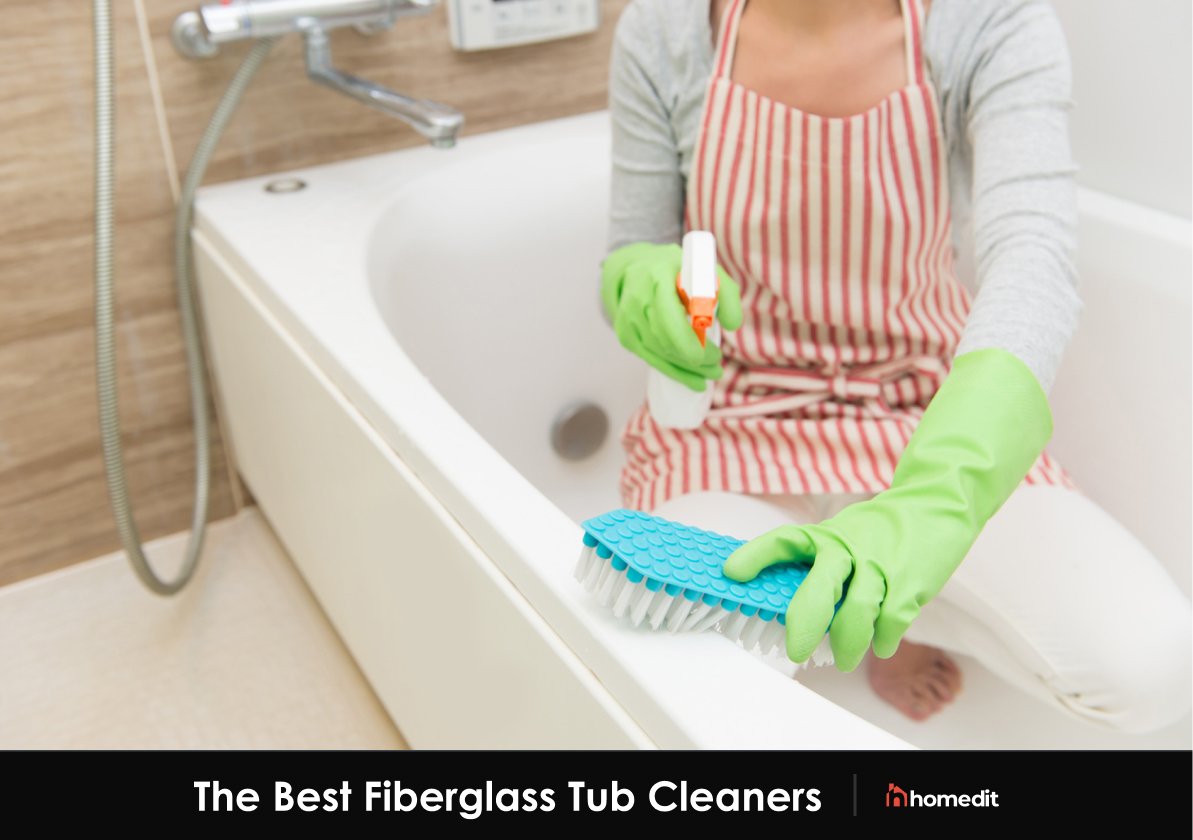
When cleaning doesn’t go as planned, fiberglass shows stress through haze, slick films, or persistent stains.
| What you notice | What it usually means | What to do first |
|---|---|---|
| Dull, cloudy finish after drying | Dried soap residue or etched resin | Wipe down with 1 cup warm water and 1 tbsp vinegar, then dry |
| Black speckles in corners | Mold rooted into silicone caulk | Scrape out old caulk and install fresh mold-resistant silicone |
| Rust-colored drip lines | Iron deposits from dripping tap water | Apply a citric acid paste, leave 10 minutes, and rinse cold |
| Gritty tub floor after cleaning | Leftover unrinsed baking soda | Flush basin with 2 gallons of hot tap water |
Handling chemical safety and regulations
Fiberglass resins break down quickly when exposed to harsh industrial solvents. According to safety limits from the U.S. Consumer Product Safety Commission, household cleaning products containing strong acids or volatile solvents must carry clear warning labels because they create harmful vapors and skin hazards in confined spaces. Bleach produces toxic fumes if mixed with acidic toilet or tub cleaners, and it dries out gelcoat resin, making it brittle.
Strong organic solvents like acetone, paint thinner, or methyl ethyl ketone (MEK) dissolve the polyester bond directly, causing the plastic to turn soft and sticky. Always turn on your bathroom exhaust fan and open nearby doors when cleaning enclosed stalls. If a stubborn stain requires industrial-strength strippers or commercial acid washes, don’t handle those chemicals yourself; call a professional refinishing contractor who carries certified respiratory gear.
Preserving the gelcoat surface
Once your fiberglass tub is clean, you can protect the resin from future soap scum buildup by sealing the pores. Apply a thin coat of pure carnauba paste wax or specialized marine fiberglass polish to the smooth tub walls regularly. Never apply wax to the tub floor, as it creates a severe slip-and-fall danger. Wipe the tub walls with a soft squeegee or dry cloth after every shower to stop hard water spots before they form. A clear sign that maintenance is due is when water stops beading on the tub surround and starts clinging in flat sheets.
When to use a different approach
This washing method won’t work on structural tub damage or worn-out gelcoat. If the tub floor has spiderweb cracks, dark brown rust holes, or bends noticeably when you step inside, you’re not dealing with surface dirt. The composite fiberglass core is failing, and scrubbing it will only force water deeper into your subfloor.
In that case, drop the sponges and hire a professional tub refinisher for an epoxy relining, or replace the entire stall. Similarly, if someone previously painted the fiberglass with cheap wall paint, cleaning products will peel the top layer off; you’ll need to strip the paint mechanically or install an acrylic liner over the existing unit.
Frequently asked questions
Can you use Magic Eraser on a fiberglass tub?
No, you shouldn’t use it regularly. Melamine foam acts like extremely fine 3000-grit sandpaper. While it removes dark scuffs quickly, using it repeatedly rubs off the clear gelcoat gloss, leaving the tub dull and prone to trapping dirt.
Is bleach safe for cleaning fiberglass tubs?
No, bleach isn’t safe for long-term fiberglass care. Frequent contact with chlorine bleach oxidizes and weakens the polyester resin, causing white fiberglass to turn pale yellow and brittle over time. Stick to hydrogen peroxide for mold removal.
How do I remove hard water stains from fiberglass?
Spray warm 5% white vinegar directly onto the mineral spots, let it sit for 15 minutes, and wipe it away with a damp sponge. The mild acetic acid dissolves calcium deposits without softening or etching the protective gelcoat surface.
What should you never use on fiberglass?
Never use steel wool, wire brushes, scouring powders like Comet, or acetone. Metal tools scratch the soft resin instantly, while harsh acetone dissolves the actual polyester plastic, leaving sticky, permanent damage across your tub basin.
Why is my fiberglass tub turning yellow?
Fiberglass turns yellow when the protective gelcoat wears thin, exposing the porous underlying resin to iron minerals in tap water, body oils, and chemical residue. In older bathrooms, direct sunlight exposure also degrades the resin, causing dark discoloration.
Final Thoughts
Keeping your bathroom sparkling doesn’t have to be a chore if you stick to gentle, reliable products. Once your surface is clean, apply a thin coat of automotive wax to help water bead off and prevent future stains. You’ll find that routine maintenance makes your weekly scrub much easier to handle.






