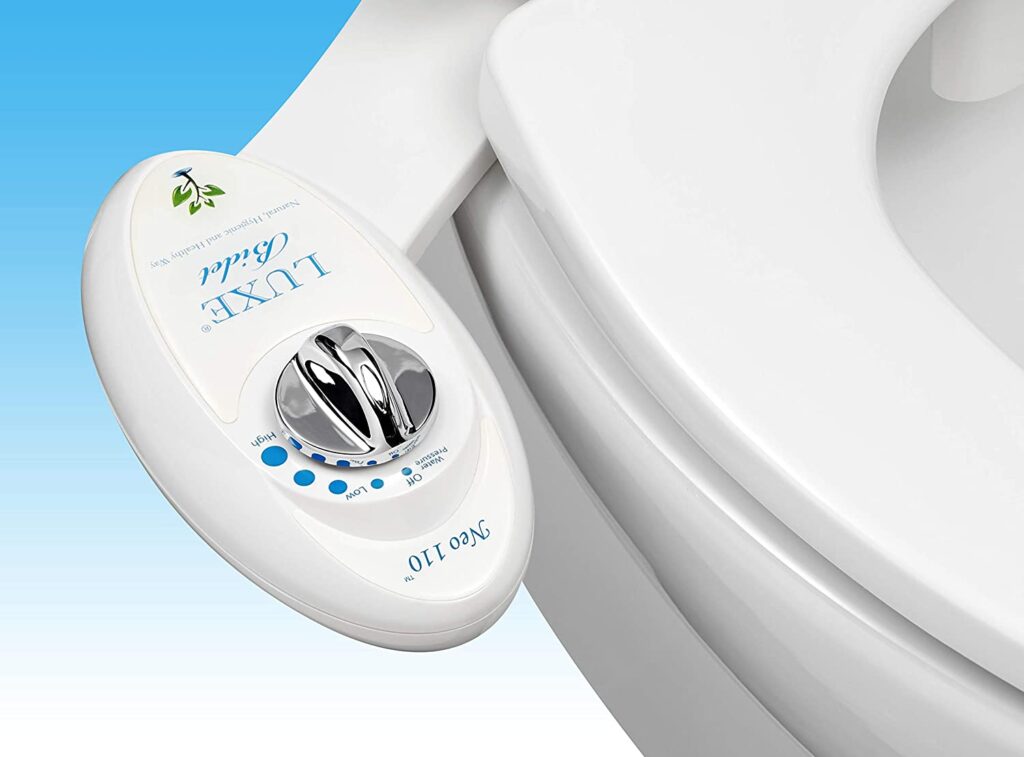

Keeping your handheld bidet sprayer in tip-top shape doesn’t have to mean dousing it in harsh chemicals. In fact, there are plenty of gentle, eco-friendly ways to keep it clean and functioning optimally. In this guide, we’ll explore the maintenance tips you can easily incorporate into your routine, ensuring your bidet remains fresh without compromising your health or the environment.
Table of Contents
Why Regular Maintenance Matters
You might think that since water is pretty much the only thing your handheld bidet sprayer deals with, it doesn’t need much upkeep. But that’s where you’d be mistaken! Regular maintenance goes a long way in ensuring the longevity of your sprayer. Here’s why you should care:
- Hygiene: A clean sprayer helps reduce bacteria growth, keeping things fresh and safe.
- Aesthetics: A spotless sprayer looks and feels better, right?
- Functionality: Regular upkeep prevents clogs and ensures the sprayer operates smoothly.
Okay, now let’s get into the nitty-gritty of how to maintain your handheld bidet!
Materials You’ll Need
Before jumping in, gather some eco-friendly materials that will make cleaning simple and effective. Here’s a list:
- White vinegar
- Baking soda
- Water
- Soft cloth or sponge
- Toothbrush (optional)
- Bucket or bowl for any soaking
These items are affordable, easy to find, and won’t harm the environment!
Step-by-Step Cleaning Process
Now that you have your materials ready, let’s move through the cleaning process step by step.
1. Start with the Nozzle
The nozzle of your handheld bidet is crucial because it’s where the water comes out. It’s also the part that can get dirty or develop mineral buildup. Here’s how to clean it:
- Check for any visible debris or grime. Use a soft cloth to wipe down the exterior.
- If you see mineral deposits, mix equal parts white vinegar and water. Soak a cloth in this solution and wrap it around the nozzle for 15-20 minutes.
- After soaking, use a soft toothbrush to gently scrub the nozzle. This will help remove any stubborn deposits. Rinse with fresh water.
2. Clean the Hose
The hose can also get gunky over time, and cleaning it doesn’t have to be a hassle. Here’s how:
- Detach the hose from the bidet and the water supply (be careful not to spill any water!).
- Fill a bucket or bowl with equal parts vinegar and water, and submerge the hose in the solution.
- Let it soak for about 30 minutes to loosen any buildup.
- After soaking, gently shake and squeeze the hose to remove any remaining dirt. Rinse thoroughly with fresh water before reattaching.
3. Check the Sprayer Function
Once everything is cleaned, it’s time to check if your sprayer is functioning properly. Here’s what to do:
- Reconnect the hose and nozzle.
- Turn on the water and test the sprayer. Ensure the water sprays evenly without any leaks.
- If the pressure seems low, there might still be some buildup. Consider repeating the cleaning process.
Preventative Tips
Keeping your handheld bidet sprayer clean is one thing, but preventing buildup in the first place is just as important! Here are some tips to help you out:
- Use Filtered Water: If possible, use filtered water to reduce mineral deposits.
- Wipe After Use: Give the nozzle a quick wipe after each use to keep it clean.
- Regular Maintenance Schedule: Set a reminder to clean your sprayer every month. A little care goes a long way!
How to Address Common Issues
Even when you do your best to maintain your bidet, sometimes issues can still pop up. Here are a few common problems and easy solutions:
Low Water Pressure
If you notice that the water pressure is lower than usual, it could be due to clogs. Clean the nozzle as explained above and ensure that there’s no kinking in the hose.
Water Leaks
Leaks usually happen at the hose connection points. Ensure that the connections are secure, and consider using plumber’s tape to create a tighter seal.
Unpleasant Odors
If you detect any odors, verify that there’s no stagnant water in the hose or connections. A thorough cleaning should help, but if the smell persists, you might want to replace the hose.
Frequently Asked Questions
How often should I clean my handheld bidet sprayer?
Aim to clean it monthly, or more often if you notice buildup or odors.
Can I use bleach or harsh chemicals to clean my bidet sprayer?
It’s best to avoid harsh chemicals as they can corrode parts and create harmful byproducts. Stick to vinegar and baking soda!
What if my sprayer has mineral buildup that won’t come off?
Try soaking it longer in the vinegar solution. If that doesn’t work, a stronger vinegar solution or commercially available descalers can be used, but be cautious about what you choose.
Are handheld bidets safe for people with sensitive skin?
Absolutely! Handheld bidets use water, which can be gentler than toilet paper. Always test the temperature first to ensure comfort.
Why choose a handheld bidet sprayer over a traditional toilet?
Handheld bidets offer better hygiene, can save you money on toilet paper, and are eco-friendly—plus they give you more control than traditional versions.
Conclusion
Keeping your handheld bidet sprayer clean and maintained doesn’t have to be complicated or involve harsh chemicals. Regular cleaning with simple, eco-friendly materials can ensure that your sprayer works efficiently and safely. By developing a easy maintenance routine, you’ll enjoy the benefits for a long time—hygiene, comfort, and peace of mind. So grab that vinegar and get started on a cleaner, fresher bidet experience!