Keeping your bathroom clean and comfortable is essential, and when it comes to bidets, nozzle buildup can be a pesky problem. Whether you’re new to using a bidet or you’re a seasoned pro, maintaining that brilliant nozzle is key. In a small bathroom, space is limited, and cleaning can feel even more challenging. So let’s chat about some tried-and-true ways to prevent bidet nozzle buildup while keeping everything nice and tidy.
Table of Contents
Understanding Bidet Nozzles
Before we jump into prevention methods, it helps to understand why nozzle buildup occurs. Bidet nozzles can gather residue from water, soap, or even toilet paper. If not cleaned regularly, this buildup can lead to clogs and bacteria growth, which no one wants.
Here are some common causes of nozzle buildup:
- Hard water minerals
- Soap residue
- Bacteria from improper maintenance
Let’s take a look at some practical tips that can turn your small bathroom into a clean haven!
Regular Cleaning Is Key
Cleaning your bidet nozzle regularly is essential for preventing buildup. Here’s how to do it effectively:
Step-by-Step Cleaning Process
1. **Gather Your Supplies**:
– Mild soap or vinegar
– Soft cloth or sponge
– Toothbrush (optional for scrubbing)
– Bucket or container to catch water
2. **Shut Off the Water**:
– Before you begin, make sure to turn off the water supply to the bidet to prevent any mess.
3. **Remove the Nozzle (if possible)**:
– Some models allow you to detach the nozzle. If yours does, carefully remove it for a thorough cleaning.
4. **Soak and Scrub**:
– Soak the nozzle in a mixture of vinegar and water. If there’s heavy buildup, use a soft toothbrush to scrub gently.
5. **Rinse and Dry**:
– Rinse the nozzle thoroughly under warm water and dry it with a clean cloth before reattaching it.
6. **Reinstall the Nozzle**:
– Once everything is clean and dry, carefully reattach the nozzle and turn the water supply back on.
Keep Things Dry
Moist environments breed mold and bacteria, so keeping your bidet area dry is crucial. Here’s how to manage moisture better:
Tips for Reducing Moisture
– **Use a Shower Curtain**: If your bidet is near the shower, a curtain keeps splashes away.
– **Towel Drying**: After using the bidet, dry the nozzle with a clean towel. A quick dry can prevent water from pooling and causing buildup.
– **Ventilation**: Ensure your bathroom is well-ventilated. Open a window or use a fan to help moisture evaporate quickly.
Invest in Quality Fixtures
Having a good-quality bidet is often key to preventing buildup. Look for models that come with self-cleaning features. They save you time and effort. Here are some types to consider:
| Type | Features | Price Range |
|---|---|---|
| Manual Bidet | Simple, economical | $$ |
| Electronic Bidet | Self-cleaning, heated seats | $$$ |
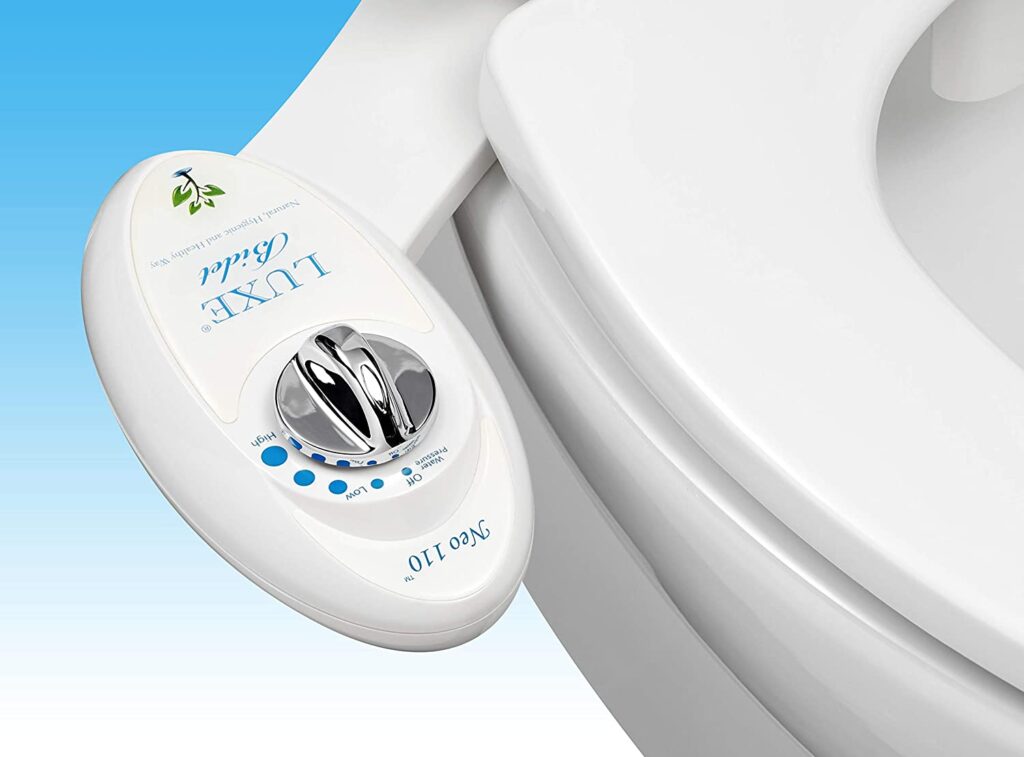
| Bidet Attachments | Easy to install, affordable | $ |
Investing a bit more upfront can save you headaches down the road.
Proper Usage Techniques
Sometimes, how you use your bidet can impact buildup. Here are a few simple techniques to consider:
Effective Usage Tips
– **Positioning**: Try to find the right water pressure and angle when using the nozzle. Less pressure can mean less splashing.
– **Wait a Moment**: Allow the water to run for a few seconds before using it. This can help flush out any stagnant water leftover from previous uses.
– **Don’t Overuse Soap**: While soap might seem helpful, too much can leave a residue. A little goes a long way!
Check for Hard Water Issues
If your home uses hard water, it can lead to calcium buildup in the nozzle. Here’s what to do about it:
Installing a Water Softener
– Consider installing a water softener in your home. It can significantly reduce mineral deposits in your pipes and fixtures, including your bidet.
– Regularly clean any hard water deposits with a vinegar solution.
Establish a Cleaning Routine
Creating a cleaning schedule can help you stay on top of maintenance. Here’s a simple example:
| Frequency | Task |
|---|---|
| Daily | Wipe the nozzle with a damp cloth |
| Weekly | Deep clean as described above |
| Monthly | Inspect the nozzle for any hard water buildup and remove |
Setting reminders on your phone can also help.
Frequently Asked Questions
How often should I clean my bidet nozzle?
Cleaning your bidet nozzle once a week is recommended, but daily wipes can be helpful.
Can I use bleach to clean the bidet nozzle?
It’s best to avoid bleach as it can damage rubber seals and create strong fumes.
What materials should I use to clean the nozzle?
Mild soap or vinegar is ideal. Use soft cloths or sponges to avoid scratching.
Is a self-cleaning bidet worth it?
Absolutely! It can save you time and help maintain cleanliness with minimal effort.
What if I still see buildup despite regular cleaning?
If you notice persistent buildup, it might be a sign of hard water issues, and you may want to consider a water softener.
Conclusion
Keeping bidet nozzles clean in a small bathroom doesn’t have to be a daunting task. With regular cleaning, smart moisture control, and a little bit of routine, you can enjoy your bidet without the worry of buildup. Remember, prevention is easier than fixing problems later. A clean nozzle keeps your bathroom comfortable and hygienic, ensuring a pleasant experience every time you use it. Happy cleaning!