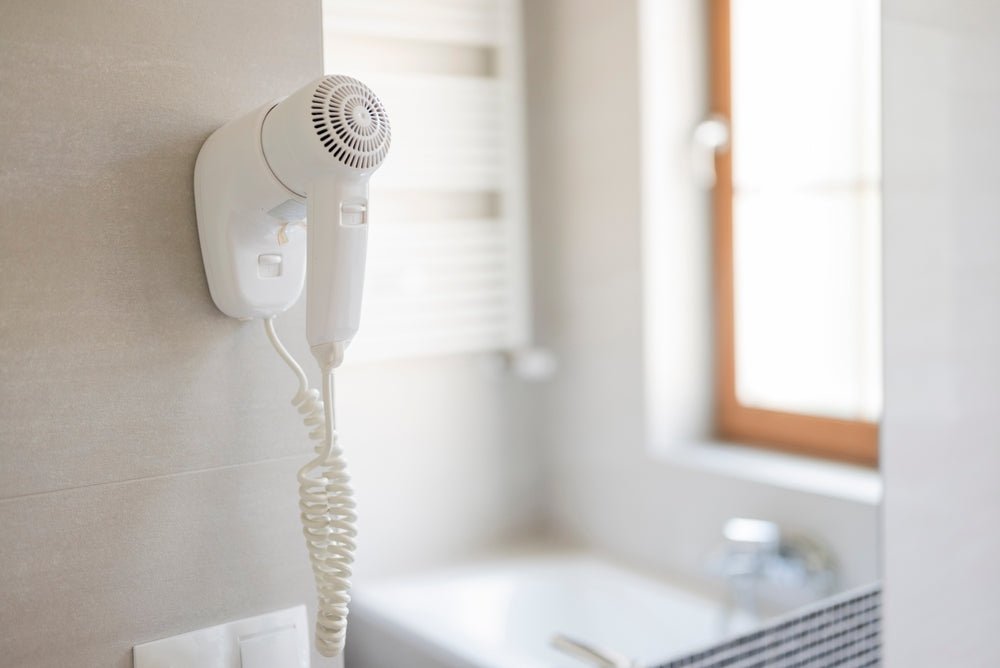
Whether electric dryers work cleanly at home depends entirely on your setup, and this guide answers whether hand dryers are sanitary for home bathrooms by explaining that warm-air units often blow bathroom germs onto wet skin, while clean paper towels remove them by friction. Research shows fast air currents pull particles from toilet flushes and spray them outward. You’ll find specific wall clearances, noise trade-offs, and exact cleaning routines here that standard product listings leave out.
Table of Contents
Are hand dryers sanitary for home use

A residential hand dryer is an electric blower mounted on a wall that evaporates water from washed hands using room air or heated air. While common in sports arenas and airports, homeowners buy them to cut paper waste and stop soggy piles from filling small trash cans. The biggest misconception is that blowing hot air sterilizes skin. Warm air doesn’t kill household germs; it simply moves surrounding bathroom air across your hands.
When a toilet flushes without the lid down, it creates an aerosol plume. The dryer’s intake fan pulls in these floating particles and blasts them directly onto your hands. High-speed jet air can disperse bathroom microbes across a distance of several feet. If you place a dryer near an open toilet bowl, you’re coating clean fingers in aerosolized bacteria. This unit is practical only for people with a dedicated wash basin placed well away from the toilet area.
The basic method
- Choose a dry wall location at least 4 feet away from the toilet and at least 2 feet away from the sink edge to avoid splashing.
- Mark the mounting plate position between 40 and 48 inches above the finished floor, which accommodates both standing adults and children.
- Shut off the bathroom circuit breaker before touching any wiring, then pull a dedicated 15-amp, 120-volt line to the spot. If you aren’t experienced with domestic electrical work, hire a licensed electrician to run the junction box and breaker connection.
- Fasten the mounting bracket into wall studs using heavy 2-inch wood screws, or use toggle bolts rated for at least 50 pounds on drywall.
- Connect the black live wire, white neutral wire, and bare copper grounding wire to the unit terminals using screw-on wire nuts.
- Slide the dryer body over the bracket, secure the tamper-proof cover screws on the bottom panel with a hex key, and switch the breaker back on.
- Wash your hands with soap for 20 seconds, rinse, shake off excess droplets into the basin 3 times, then hold hands 3 to 4 inches below the air nozzle for 15 to 20 seconds without touching the nozzle itself.
The single judgement call that separates a hygienic install from a dirty one is bathroom airflow. A dryer placed in a dead-air corner will gather more dust and airborne particles than one mounted in an area with active ventilation.
Key numbers and settings at a glance
Your drying speed, noise levels, and cleanliness depend on the specific unit hardware and room placement.
What separates good results from bad ones
Air intake protection and filtration
Units that draw air straight from the room without an internal filter collect floating dust, hairspray, and lint. Over several months, that debris coats the heating element and blows out onto your fingers. Units equipped with a medical-grade filter capture these floating bathroom particles before the air hits your hands. If the machine lacks internal filtration, you’re trading clean cloth towels for contaminated air.
Moisture containment beneath the airflow
A powerful motor pushes water droplets off your fingers and onto the wall and floor below. If that surface is standard painted drywall, the constant moisture can lead to water damage or mold growth over time. A durable backsplash made of ceramic tile, stainless steel, or acrylic mounted beneath the unit keeps the wall dry. Wipe that splash guard daily to prevent standing water from creating odors.
Common problems and quick fixes
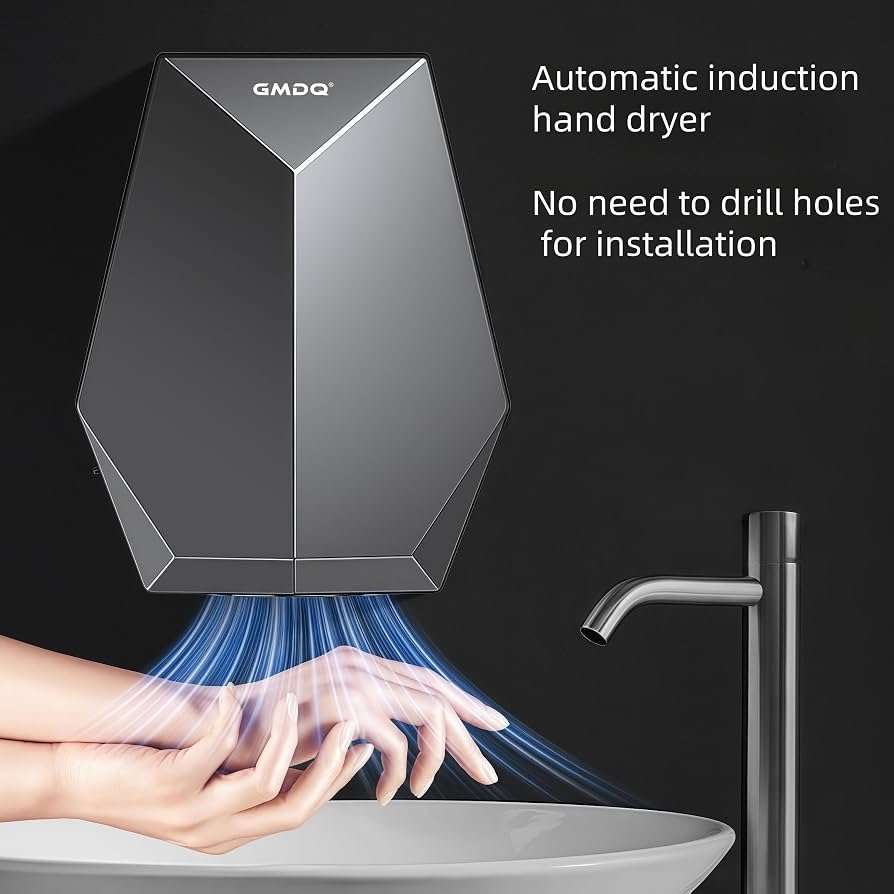
Electric units need quick troubleshooting when air speed drops or bad smells develop.
| What you notice | What it usually means | What to do first |
|---|---|---|
| Air smells dusty or burnt | Lint trapped on intake vents | Vacuum the intake grille using a soft brush |
| Air volume feels weak | Internal HEPA filter is clogged | Replace the air filter element inside cover |
| Unit turns on by itself | Mirror reflection hitting sensor | Adjust the infrared sensor range screw downward |
| Water puddling on floor | Air blows water straight down | Install an absorbent wall plate beneath dryer |
The rules that apply
Household electric installations must follow the National Electrical Code published by the National Fire Protection Association. Under these rules, bathroom outlets and hardwired appliances must have Ground Fault Circuit Interrupter (GFCI) protection to prevent electric shocks near plumbing fixtures.
For hygiene, the Centers for Disease Control and Prevention handwashing guidelines state that wet hands pick up germs much more easily than dry hands, which makes drying your hands completely an essential step. The CDC notes that clean towels or warm-air dryers are acceptable methods, but drying must be thorough. If high noise makes a child stop after 5 seconds, their damp skin picks up bacteria immediately from the next doorknob they touch.
Keeping it working afterwards
Turn off the unit’s dedicated wall switch before opening the cover for cleaning. Vacuum the intake screen regularly to stop dust from starving the motor. If the unit uses a replaceable HEPA cartridge, change it whenever necessary; check the manufacturer’s label since replacement intervals depend on domestic usage and household pets. Clean the outer shell as part of your usual clean with a microfiber cloth dampened with mild soapy water. Never spray bleach or liquid cleaners directly into the air nozzle, as this corrodes the heating coil and ruins internal electronics.
When to use a different approach
Electric blowers are the wrong choice for households with infants or people sensitive to loud sounds. A high-speed motor reaches 80 decibels in a small tiled room, which can startle small children and scare them away from washing their hands entirely.
This machine is also a poor fit for tiny half-baths where the toilet sits within arm’s reach of the sink. In tight spaces under 35 square feet, toilet flush aerosols inevitably contaminate the dryer’s intake. Use a stack of clean single-use cotton washcloths instead. It gives you true mechanical removal of bacteria without blowing bathroom air across your skin.
Frequently asked questions

Do home hand dryers use a lot of electricity?
No. While a heating element draws between 1,000 and 1,500 watts, it runs for less than 30 seconds at a time. The overall electricity cost usually amounts to just a few cents per month for normal family use.
Why do some hand dryers blow cold air?
Unheated jet dryers rely on raw air speed rather than heat to scrape water off your skin. This design cuts power consumption sharply, but cold air can feel uncomfortable during winter months in unheated bathrooms.
Can home hand dryers spread mold spores?
Yes. If you install the unit in a damp bathroom with poor ventilation, the intake fan draws in floating mold spores and blasts them across your wet hands and wall surfaces.
What happens if you don’t change the HEPA filter?
The motor works harder against the blocked airflow, which makes the unit overheat and dry your hands much slower. Trapped dust inside the housing can also create an unpleasant burnt smell.
Is a hand dryer better than paper towels for home use?
No, paper towels remain more sanitary. The physical rubbing action of paper pulls lingering bacteria off the skin, while dryers rely strictly on evaporation and can blow room dust back onto clean hands.
Final Thoughts
If you’re still unsure about making the switch, try using a dedicated hand towel for a week to see how it fits your routine. It’s a simple change that keeps your space feeling fresh. You’ll find that choosing the right method doesn’t just improve hygiene—it makes your home feel more comfortable, too.