Independent customer sentiment and installer feedback show that basco shower doors reviews rate these enclosures highest for custom fit and heavy glass durability, while standard framed units earn lower scores due to tricky track cleaning. A framed sliding door works best when working with a tight budget, but custom frameless glass wins if you have out-of-plumb walls.
Table of Contents
Comparing Basco shower door reviews

Choosing a shower door setup involves balancing cost, leak resistance, and the work required to keep it clean.
Framed sliding bypass enclosures
Framed bypass units use metal extrusions on all four sides to hold thinner glass panels.
- Screw the wall jambs into the tile using 1.5-inch stainless steel screws, making sure both sides sit plumb.
- Cut the bottom track to fit the sill width, then secure it in place with a steady bead of silicone sealant.
- Hang the inner glass panel onto the top roller track first, followed by the outer panel.
- Adjust the roller wheel cams so the doors sit square against the wall cushions when closed.
This design is great at keeping water inside small shower stalls because the continuous metal frame acts as an unbroken barrier. It also installs easily over uneven walls because the deep side channels hide slight alignment mistakes. However, the deep metal bottom channel traps soapy residue, making weekly cleaning tedious. If you don’t feel comfortable drilling into ceramic or porcelain tile, hire a licensed glazier so you don’t crack the wall surface.
Semi-frameless pivot doors
Semi-frameless pivot doors keep metal along the wall and bottom pivot points while leaving the door edges exposed.
- Fasten the structural hinge jamb to the finished wall with two-inch mounting hardware.
- Seat the bottom drip rail onto the threshold, angling the weep holes inward toward the shower pan.
- Mount the glass door into the clamp-style hinge base, tightening the bolts to the specified clamp tension.
- Position the magnetic strike jamb along the opposite wall until the door seals firmly along the full height.
These doors create an open, airy look without the heavy weight of solid glass slabs. They also seal tightly against splashing water along the strike jamb. The main trade-off is that the door panel swings outward into the room, so it won’t work in cramped bathrooms where a toilet sits right in front of the shower opening.
Heavy glass frameless barn-door sliders
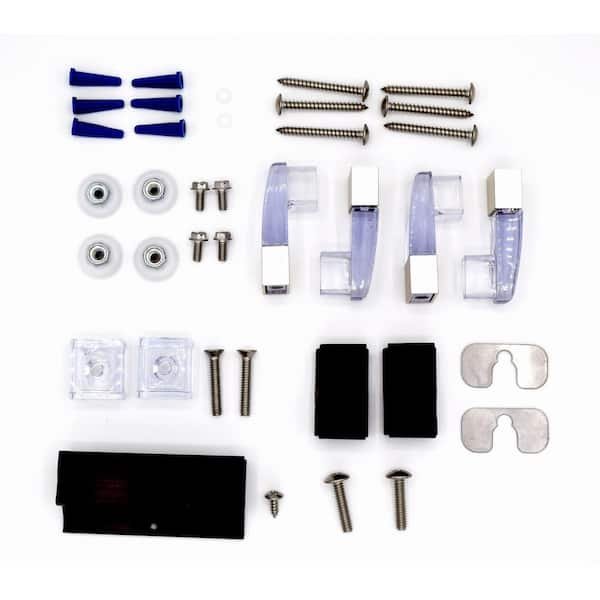
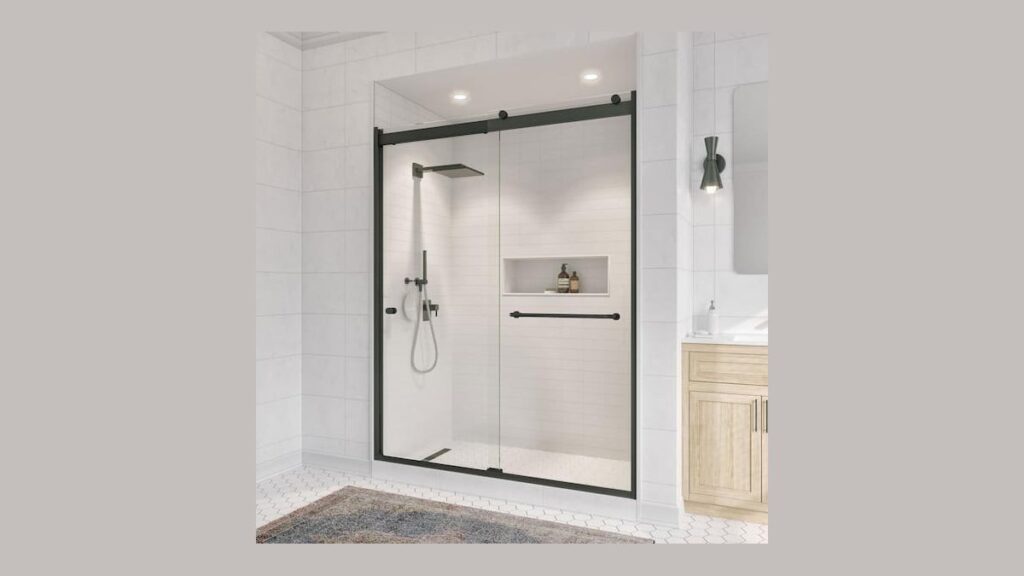
Frameless rolling systems hang thick glass from an exposed stainless steel top bar.
- Anchor the heavy top support bar directly into solid wood wall blocking using three-inch structural screws.
- Roll the structural rollers onto the bar and hang the main moving glass panel.
- Mount the bottom floor guide to the threshold using waterproof silicone to keep the glass panel from swinging side to side.
- Press the clear vinyl wipe onto the trailing glass edge to block water from escaping through the gap between panels.
Frameless doors eliminate metal channels completely, so wiping the glass with a squeegee takes just seconds. The thick glass also feels solid and slides quietly. The downside is that these units require flat, plumb openings; if your wall leans more than a fraction of an inch, the door won’t roll smoothly. A fourth option is a fixed walk-in glass screen, which is cheap and simple to set up, but it lets bathroom drafts in during cold mornings.
Which one should you use?
If you’re in a hurry, pick the framed sliding bypass enclosure because it fits stock tub sizes without requiring precision adjustments or custom glass cutting. If you’re doing this for the first time, choose the semi-frameless pivot door; its metal frame allows enough wiggle room to forgive minor measuring errors while still looking modern. If you want the best possible result whatever it takes, invest in the heavy frameless rolling door for its high-end look and smooth glide.
The core trade-off comes down to maintenance versus installation effort: trackless doors are effortless to wipe down regularly, but they require strict wall preparation and careful alignment during setup. This option isn’t for people with thin acrylic wall surrounds, as those flexible walls lack the solid backing needed to support heavy glass.
The rules that apply whichever way you choose
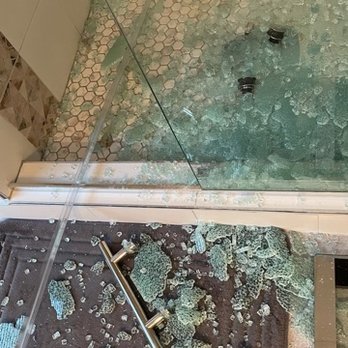
Safety glazing must always meet the federal architectural standard published by the Consumer Product Safety Commission under 16 CFR Part 1201. Before unpacking any boxes, use a level to check your walls and threshold; if your threshold slopes backward away from the drain, fix the sill before hanging anything. Partway through the build, inspect your wall anchors to confirm they bite into solid studs rather than hollow drywall anchors. Once the door is hung, run a neat bead of mold-resistant silicone along the interior edges to prevent water infiltration, then let it cure for a full 24 hours before running the shower. Handling large sheets of tempered glass carries a risk of sudden shattering if the bare edge strikes a hard tile floor, so work with a partner or hire a certified installer.
Frequently asked questions
Can you install a Basco shower door by yourself?
No, you need a helper because tempered glass panels are heavy and awkward to hold. Dropping an edge onto tile can shatter the entire panel instantly.
How long does silicone caulk take to dry?
It takes 24 hours to cure completely. Running water over fresh silicone too soon ruins the waterproof seal and causes water leaks behind your walls.
Is heavy glass safer than thin framed glass?
Yes, thicker tempered glass resists flex and impacts better during daily use. Thin glass relies entirely on its outer metal frame to avoid bending.
What happens if your shower walls aren’t plumb?
Your doors will leave uneven gaps along the wall, causing water leaks. Framed models can hide minor wall slope, but frameless models require custom-cut glass.
Why does water leak from the bottom track?
The weep holes in the bottom channel are clogged with soap scum or caulk. Clearing those drainage slots lets trapped water flow back into the drain.
Final Thoughts
If you’re ready to upgrade your bathroom, take a moment to measure your opening carefully before heading to the showroom. It’s worth visiting a local dealer to see the glass thickness in person. You’ll feel much more confident in your choice once you’ve seen how these sturdy doors operate firsthand.