For the outside of a cast iron tub, look for paint that is labeled for metal and exterior use, with rust protection. That makes Rust-Oleum Stops Rust the strongest match in this group. Tub-refinishing paints may work on certain bathtub surfaces, but several listings do not confirm compatibility with bare cast iron or metal. The tub’s exterior is also different from its water-holding interior: paint intended for the outside should not be assumed safe for the inside or for prolonged water contact.
Table of Contents
Quick Comparison
| Product | Type | Best Fit | Key Caution |
|---|---|---|---|
| Fusion Mineral Paint, Cast Iron | Mineral paint | Indoor decorative projects on suitable porous surfaces | Not listed as water-resistant or for metal |
| IRONABLE Tub and Tile Refinishing Kit | Two-part tub and tile paint | Listed tile, ceramic, glass, acrylic, and marble projects | Cast iron compatibility is not stated |
| Rust-Oleum Stops Rust Hammered Black | Oil-based protective enamel | Exterior metal that needs rust protection | Not a tub-interior refinishing coating |
| DWIL Tub and Tile Paint | Water-based acrylic with hardener | Listed bathroom surfaces, with a cast-iron qualification | Listing also says it is not suitable for metal |
| Xmntdo Tub and Tile Refinishing Kit | Acrylic kit with hardener | Listed tub, sink, countertop, and floor projects | Metal compatibility is not specified |
Our Picks: Best Paint For Outside Of Cast Iron Tub reviews
1. Rust-Oleum Stops Rust: Best Match for Exterior Cast Iron

Of the five options here, this is the clearest fit for the outside of a cast iron tub. Its oil-based protective enamel is listed for interior and exterior use on metal, and the product description highlights rust prevention and resistance to abrasion, fading, and chipping. Those features are relevant when you are painting exposed metal rather than refinishing the tub’s water-contact surface.
The hammered black finish is designed to hide some flaws in scratched, rusted, or pitted metal. It is a practical choice if you want a textured look, but it will not create a smooth, glossy bathtub finish. The product is brush-on, and its listed coverage is up to 100 square feet. Actual coverage depends on the surface and application, so check the can’s directions for preparation, coats, and drying before starting.
This enamel is not a tub-refinishing kit. It is not the right choice for the inside of the tub, and you should not assume that it is suitable for a surface that will be submerged or constantly wet. For a tub exterior, confirm that the specific surface and any existing coating are compatible with the label instructions.
Pros:
- Specifically listed for metal and exterior use
- Oil-based formula is described as rust-preventive
- Hammered finish can help disguise surface flaws
- Listed coverage is up to 100 square feet
Cons:
- Hammered black is a textured look, not a smooth tub-refinishing finish
- Not presented as a coating for the tub’s interior or prolonged water exposure
Verdict: Choose this as the leading option for an exposed metal tub exterior when its label confirms compatibility with your surface and planned use.
2. DWIL Tub and Tile Paint: A Conditional Option for Enamel-Coated Cast Iron

DWIL is a water-based acrylic tub-and-tile coating supplied with a hardener. Its listing describes use on bathtubs, sinks, tiles, and other surfaces, and gives a coverage estimate of 25–30 square feet per coat. It also states that cast iron tubs made from iron alloys with porcelain enamel can be painted, while regular iron tubs cannot.
There is an important qualification: the same listing says the product is not suitable for metal. That makes this a conditional choice, not a straightforward recommendation for a cast iron exterior. A porcelain-enamel-coated surface and bare exposed iron are not interchangeable. Before buying, confirm directly with the manufacturer that the product is suitable for the exact surface you plan to paint, especially if the outside is bare metal or has rust.
The product is described as low odor and water-based, with a full cure time of seven days. Those details may appeal for an indoor bathroom project, but they do not resolve the metal-compatibility concern. Follow the supplied directions for mixing, application, ventilation, and curing, and do not use it on the tub interior unless the instructions specifically allow that use.
Pros:
- Designed for bathroom refinishing projects
- Water-based acrylic formula with a hardener
- Listing gives a clear full-cure time and coverage estimate
- Includes a specific note about certain porcelain-enamel cast iron tubs
Cons:
- Listing also says the paint is not suitable for metal
- Compatibility with bare cast iron is not established
Verdict: Consider DWIL only after confirming its suitability for your tub’s exact enamel or metal surface; do not rely on the general cast-iron note alone.
3. IRONABLE Tub and Tile Kit: A Supplied-Tools Option for Listed Surfaces
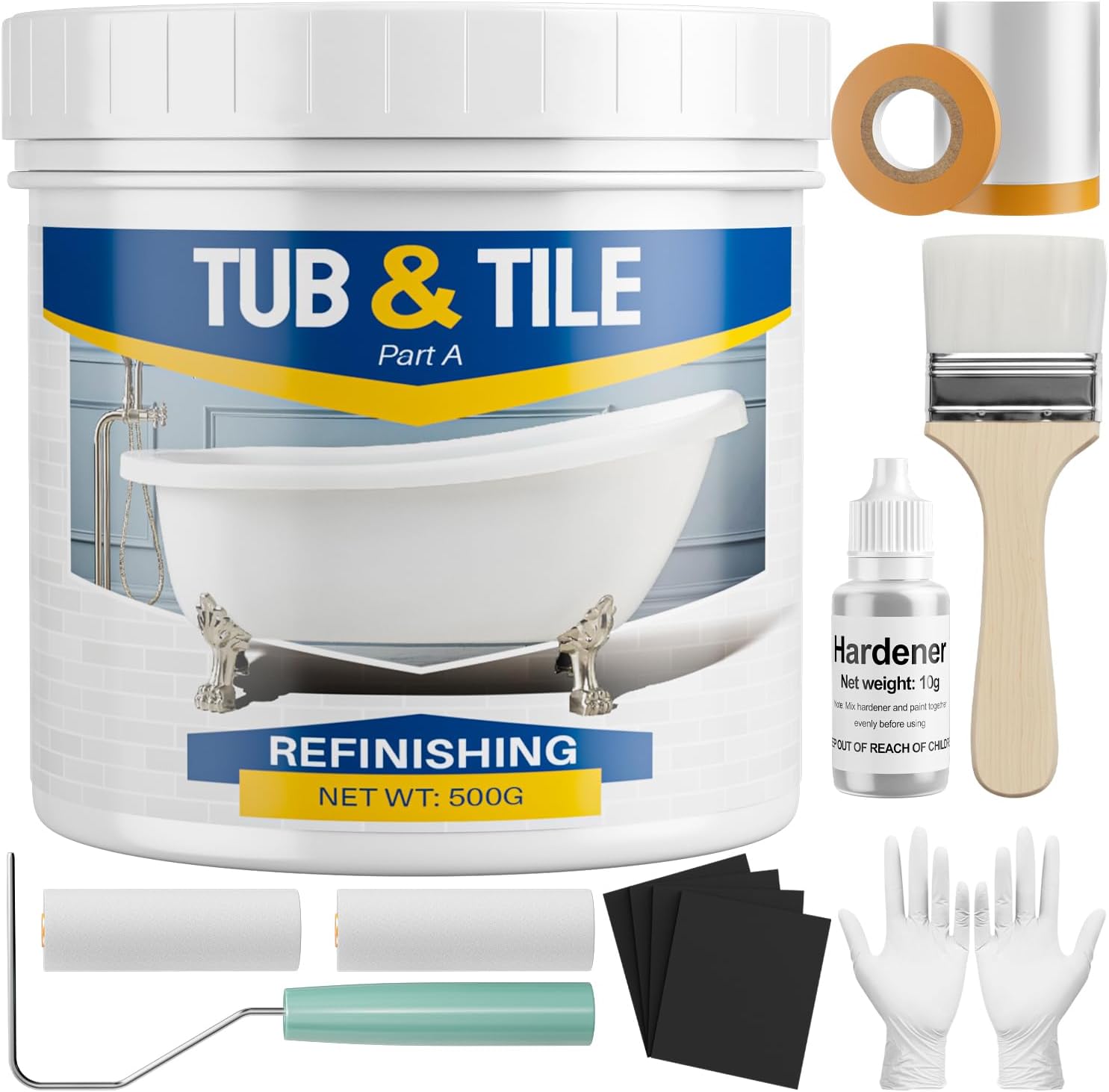
This kit includes a two-part coating, rollers, a brush, masking supplies, gloves, and sandpaper. It is presented for bathroom refinishing, with the listing naming tile, ceramic, glass, acrylic, and marble among its suitable surfaces. That range makes it relevant to some tub projects, but the supplied product details do not specifically list cast iron or metal.
The product description calls the coating waterproof and describes a low-odor, low-VOC formula. It also gives a 25–30-square-foot coverage estimate and says to allow seven days for optimal curing. These details may suit a DIY project on a surface the manufacturer approves, but they are not proof that the coating will bond to a cast iron tub exterior.
For this particular job, the missing metal compatibility is the key drawback. Ask the manufacturer whether the kit is approved for your tub’s exterior material and existing finish before you buy. If you are painting bare iron, a coating specifically labeled for exterior metal is a more direct fit.
Pros:
- Includes several application and masking tools
- Designed for tub and tile refinishing projects
- Listing describes the coating as waterproof and low odor
- Coverage and curing guidance are provided
Cons:
- Cast iron and metal compatibility are not specified
- Two-part mixing and curing require careful attention to the directions
Verdict: This may be useful for approved tile or bathroom surfaces, but get written confirmation before using it on a cast iron tub exterior.
4. Xmntdo Tub and Tile Kit: Acrylic Refinishing Paint with Hardener
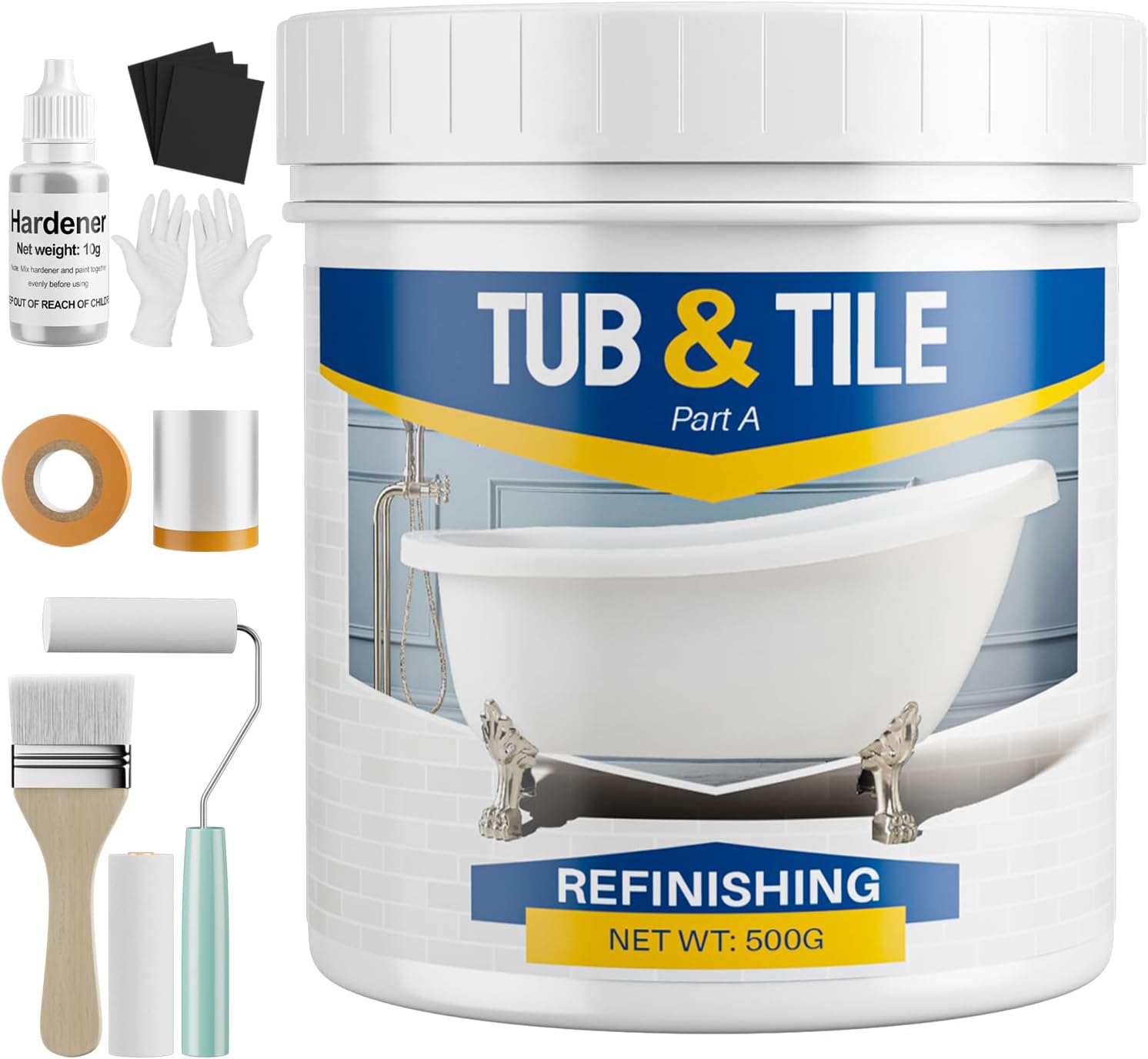
Xmntdo’s kit is an acrylic tub-and-tile refinishing product that comes with tools and a hardener. The listing names tubs, sinks, countertops, and floors as uses, and describes the formula as water-based, low odor, and suitable for indoor and outdoor use. It gives an estimated coverage of 25–30 square feet and says optimal curing takes seven days.
Those are useful details for planning a refinishing project, but the listed surface information does not specifically confirm compatibility with cast iron or metal. “Outdoor use” alone does not establish that the paint is suitable for bare iron, rust prevention, or the conditions around your tub. Check the full label and ask the manufacturer about the tub’s material and existing coating before applying it.
The semi-gloss white finish is a different look from Rust-Oleum’s hammered black enamel. Xmntdo is more clearly positioned as a bathroom refinishing kit, while Rust-Oleum provides the stronger documented match for exterior metal. Do not choose between them on color alone; surface compatibility should come first.
Pros:
- Kit includes tools and a hardener
- Listing describes a low-odor, water-based formula
- States indoor and outdoor use
- Provides a coverage estimate and curing guidance
Cons:
- Cast iron and metal compatibility are not specified
- Requires mixing and a full curing period before normal use
Verdict: Choose this for a tub or tile project only if the manufacturer confirms that your specific cast iron exterior is an approved surface.
5. Fusion Mineral Paint in Cast Iron: A Decorative Color, Not a Metal-Tub Coating
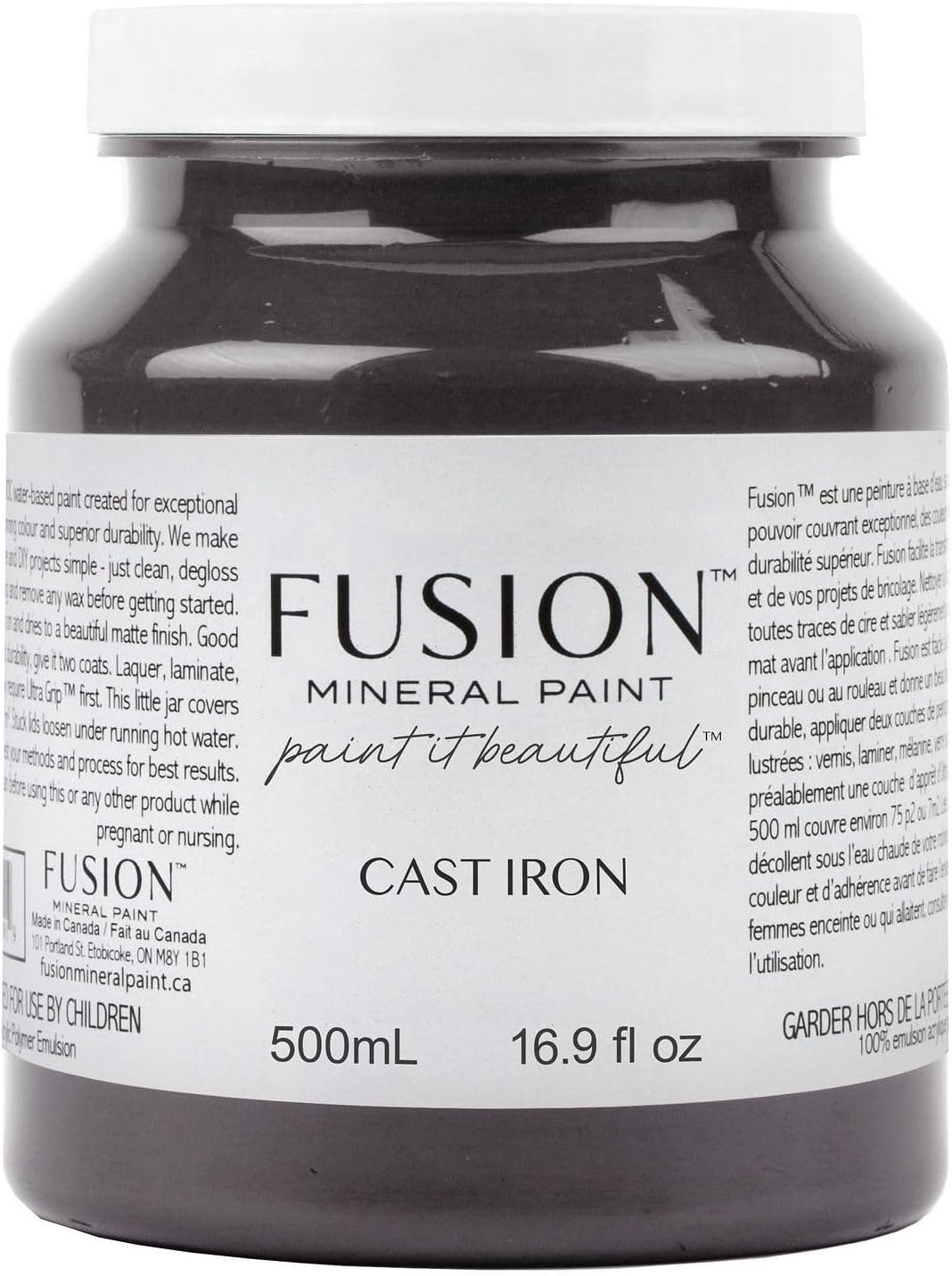
Fusion Mineral Paint is a matte mineral paint in a color called Cast Iron. Despite that name, the supplied product details list indoor use and recommend wood or porous surfaces. The listing also says it is not water-resistant. Those limits make it a poor match for painting an exposed cast iron tub exterior, particularly where moisture or bare metal is involved.
The product is described as easy to apply and self-leveling, with minimal prep and no finishing coat required for its intended use. It has a listed coverage of up to 75 square feet and a full cure time of 21 days. These features may appeal for a suitable indoor decorative project, but they do not replace a metal primer or establish that the paint will adhere to a tub.
In comparison with Rust-Oleum, Fusion is not listed for metal or outdoor use and lacks a water-resistance claim. Its main appeal here is the black color, not its suitability for the job. Use it on a tub only if the manufacturer confirms compatibility with that exact surface and environment.
Pros:
- Matte black color named Cast Iron
- Listed coverage is up to 75 square feet
- Self-leveling formula is described as needing minimal prep
Cons:
- Listed for indoor use on wood or porous surfaces, not metal
- Product details say it is not water-resistant
Verdict: Do not choose Fusion as your default paint for a cast iron tub exterior; reserve it for surfaces within its stated use unless the manufacturer approves otherwise.
How to Choose Paint for the Outside of a Cast Iron Tub
Identify the Surface You Are Painting
First determine whether you are painting bare cast iron, a porcelain-enamel-coated surface, or an existing layer of paint. These surfaces can call for different preparation and coatings. A tub’s exterior may not have the same finish as its interior, so do not assume that a product labeled for “bathtubs” is also approved for every outside surface.
Check for Metal and Exterior Approval
For exposed cast iron, prioritize products that explicitly list metal and exterior use. Rust-Oleum is the clearest match in this group because its supplied details list both. Tub-and-tile products may be made for bathroom surfaces, but unless the label confirms compatibility with your tub’s material, ask the manufacturer before applying them.
Match the Coating to Moisture and Rust Conditions
The outside of a tub is not normally the water-holding surface, but it can still encounter bathroom moisture, splashes, or condensation. Look for clear information about water resistance and rust protection, and consider the condition of the metal. A coating that is not listed as water-resistant or for metal may not be a dependable choice for this setting.
Prepare the Tub According to the Product Label
Good results depend on following the coating’s directions for cleaning, removing loose or failing material, sanding, priming, and drying. Do not assume every paint uses the same preparation steps. If the tub has rust, an old coating, or a glossy enamel surface, check whether the chosen product calls for a particular primer or surface treatment.
Compare Finish, Application, and Coverage
Think about the appearance you want as well as the surface match. Rust-Oleum’s option has a hammered black finish, while the listed tub kits include white or other bathroom-style finishes. Coverage estimates also differ, and may depend on the surface and number of coats. Measure the area and use the product’s own directions to estimate how much paint you need.
Allow the Full Cure Time
Dry-to-touch time is not always the same as full cure time. The products here list different curing periods, from several days to longer. Keep the tub and painted area free from contact or cleaning until the manufacturer’s directions say the coating is ready. Proper curing is especially important for products that use a hardener.
Frequently Asked Questions
What is the best paint in this list for the outside of a cast iron tub?
Rust-Oleum Stops Rust is the strongest match based on the supplied details because it is listed for exterior metal and rust prevention. Confirm that the product label is appropriate for the tub’s exact surface and conditions before applying it.
Can I use tub-and-tile paint on cast iron?
Not automatically. Some tub paints list use on certain bathroom surfaces, but that does not guarantee compatibility with bare cast iron or a porcelain-enamel exterior. Check the full label or contact the manufacturer with details about your tub.
Can I use the same paint on the inside and outside of the tub?
Do not assume so. A paint for exterior metal is not necessarily intended for the tub interior or prolonged water contact. Use a product specifically approved for the surface and type of exposure you are painting.
Is Fusion Mineral Paint in Cast Iron suitable for a cast iron tub?
The supplied details do not make it a good default choice. The paint is listed for indoor use on wood or porous surfaces and is described as not water-resistant, with no stated metal compatibility.
Does DWIL Tub and Tile Paint work on cast iron?
Its listing says some cast iron tubs with porcelain enamel can be painted, but also says the product is not suitable for metal. Because those statements create uncertainty for a tub exterior, confirm compatibility with DWIL before using it.
How long should I wait before using or cleaning the painted tub?
Follow the exact product instructions. The products in this group list different dry and cure times, and a surface that feels dry may not be fully cured. Wait for the stated full-cure period before cleaning or exposing the coating to normal use.
Final Recommendation
For an exposed, metal exterior, Rust-Oleum Stops Rust is the most suitable pick in this group because it is specifically listed for exterior metal and rust protection. Its hammered black finish is not a smooth bathtub-refinishing finish, and it should not be used on the tub’s inside unless the label expressly permits it. If your tub has porcelain enamel or an unusual existing coating, verify compatibility before painting. The tub-refinishing kits are possible alternatives only when their manufacturers confirm that your exact exterior surface is supported.