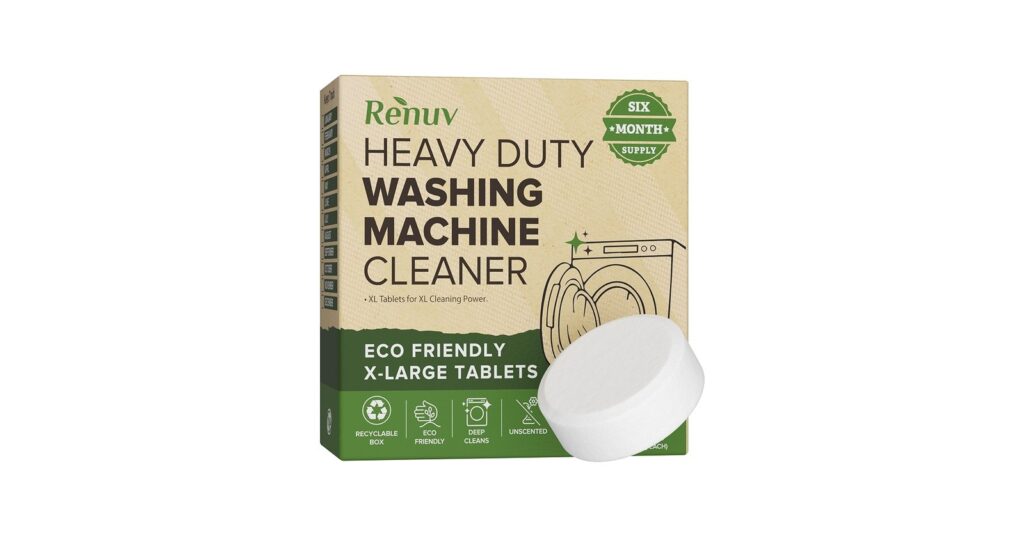
A deep cleaning cycle with finally fresh washing machine tablets unleash the power of clean by stripping trapped detergent residue and mineral scale in about 60 to 90 minutes. Doing this costs pennies per wash, stays at an easy effort level, and requires just one solid cleaning tablet before you begin. Check your machine’s interior door sticker for the model number to confirm your drum’s capacity before choosing your cycle.
Table of Contents
Gather your fresh washing machine supplies

| Item | How much | Why it’s needed | A substitute |
|---|---|---|---|
| Finally Fresh tablet | 1 standard piece | Breaks down built-up grime | none — don’t swap this |
| Hot tap water | Full drum fill | Melts oils and dissolves tablet | none — don’t swap this |
| Microfiber cloth | 2 dry towels | Wipes loosened debris from seal | Clean cotton washcloth |
| Warm water bucket | 1 gallon water | Rinses removable plastic parts | Clean kitchen sink bowl |
| Soft toothbrush | 1 small brush | Scrubs narrow dispenser corners | Soft nylon detailing brush |
Before you start
- Take every piece of clothing out of the washer drum.
- Pull out the detergent drawer until it clicks free, then empty standing water.
- Check the rubber door gasket on front loaders to remove loose coins, hairpins, or hair.
- Leave the washer plugged into its normal wall outlet, but make sure the main drainage hose stays free of sharp kinks.
- Skipping the gasket inspection causes trapped dirt to smear back across the drum during the rinse cycle. If your drain pump makes a loud grinding noise or the motor fails to turn, stop immediately and call a certified appliance technician; never open internal electrical cabinets yourself.
Step by step
-
Place one tablet directly into the bottom of the empty wash drum. Never put the cleaning tablet inside the plastic detergent drawer because it won’t dissolve fast enough there. Check that the tablet sits flat against the steel surface.
-
Shut the washing machine door firmly until the latch clicks. Check that the digital display shows the door lock icon before you touch any cycle buttons.
-
Turn the main cycle dial to the dedicated tub clean setting. If your appliance doesn’t have a clean cycle, select your normal cotton wash cycle instead to ensure a complete drum wash.
-
Select the highest available water temperature, which should reach at least 140°F on most residential units. Hot water breaks down old fabric softeners much faster than lukewarm water does. Check the temperature display light to confirm it says hot.
-
Select an extra rinse option if your unit allows custom modifications. The extra rinse flushes dissolved calcium bits completely out of the internal drain lines. Make sure the total cycle run time shows at least 60 minutes on the screen.
-
Press the start button to run the full cycle from start to finish without pausing. Watch the glass door for 5 minutes to verify that the water fills normally and starts foaming lightly.
-
Open the washer door right after the chime sounds at the end of the final spin. Leaving the door shut traps warm humidity inside, which lets mold spores regrow on clean rubber.
-
Wipe the inside rubber door boot and the front edge of the steel drum using a dry microfiber cloth. Inspect the towel surface to confirm it picks up loosened grey slime without tearing the rubber.
-
Rinse the detergent drawer under warm running water in your sink to clear crusty soap remnants. Wipe the drawer dry, slide it back into its housing, and leave the main door cracked open 2 inches for ventilation.
How to know it worked

A successful cleaning cycle leaves the interior stainless steel drum bright and completely smooth to the touch. You’ll see no white streaks, chalky calcium lines, or slimy black rings inside the folds of the door boot. The wash drum will emit a neutral, fresh scent instead of a sour, swampy odor. If you see cloudy water pooled on the bottom or notice grey flakes clinging to the metal holes, run a second cycle immediately with one fresh tablet.
If something goes wrong
| What happened | Why | What to do |
|---|---|---|
| Chalky powder remains | Water wasn’t hot enough | Run quick rinse with hot water |
| Foam overflows drawer | Old detergent buildup was huge | Run complete cycle with plain water |
| Strong chemical scent | Washer skipped final rinse step | Run short drain and rinse cycle |
| Drum still smells sour | Thick mildew behind outer tub | Run second tablet on heavy cycle |
| Water won’t drain | Debris blocked drain pump filter | Clear debris trap at base |
How often to do this
Run one tablet through an empty cycle regularly for a standard household washing 4 to 6 loads each week. If you wash more than 10 loads weekly, or if you use liquid fabric softeners often, shorten your cleaning schedule to clean more frequently. Fabric softeners leave behind residues that can accumulate and trap soil and lint. Homes with hard well water also need cleaning more frequently because dissolved minerals create a rough crust on the drum that catches lint. Skipping regular care for several months creates thick scale, which eventually costs a homeowner hundreds of dollars in pump repairs.
Frequently asked questions

Can I leave clothes inside during the cycle?
No, never leave clothes in the drum during this wash. The tablet contains concentrated oxygen bleach and washing soda designed to clean the drum and internal components. These strong agents will strip fabric dyes, spot dark shirts, and weaken cotton fibers during a heavy hot water cycle.
Why did the tablet not dissolve completely?
Your wash cycle ran with cold water instead of hot. Tablets require water temperatures of at least 120°F to break down their outer binder completely. If you run a quick 15-minute cold wash, pieces of the compressed block will stay intact on the drum floor.
How long does the cleaning cycle take?
About 60 to 90 minutes on most standard home washing machines. Choosing a specialized self-clean cycle runs longer than a normal wash to soak internal pump parts. Check your digital timer screen right after pressing start to see your machine’s exact countdown duration.
Is it safe for septic tanks?
Yes, using one tablet each month is safe for standard home septic systems. The dissolved cleaning ingredients break down into simple carbonate salts, oxygen, and biodegradable washing elements before reaching your tank. They won’t kill the active bacterial colonies working inside your tank when used as directed.
What happens if I put it in the drawer?
The tablet will block the narrow water intake port inside the dispenser drawer housing. This creates a messy water spill across your floor as water backs up. Always drop the tablet directly onto the metal floor of the empty wash basket before starting the cycle.
Does water hardness change how many tablets I use?
No, always use just one tablet per cleaning cycle regardless of water hardness. Using two tablets creates excessive suds that trigger error codes on modern high-efficiency machines. If your water has heavy lime deposits, simply clean your machine more often instead of adding extra tablets.
Final Thoughts
Keeping your laundry smelling great doesn’t have to be a chore. Once you’ve finished this quick refresh, you’ll notice your clothes come out feeling softer and looking brighter than before. Don’t wait for an odor to return; it’s a good idea to mark your calendar for another simple treatment next month.
Related guides