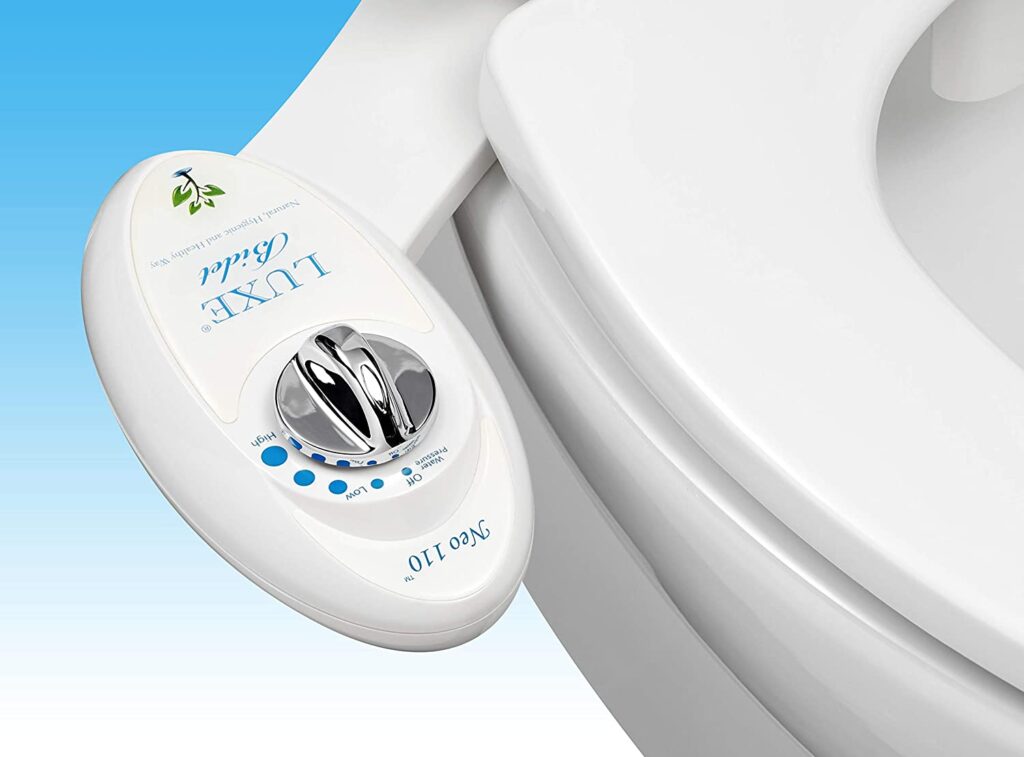

Cleaning your bidet seat doesn’t have to involve harsh chemicals. Many people worry about using strong cleaners that might damage the seat or leave harmful residues. The good news? You can achieve a sparkling clean bidet with natural ingredients that are not only effective but also eco-friendly. Let’s explore the steps and methods you can use to make your bidet seat shine while keeping it safe for you and the environment.
Table of Contents
Why Choose Natural Cleaners?
Switching to natural cleaners isn’t just a trend; it’s a healthier choice for you and the planet. Here are a few reasons to consider:
- Healthier Home: Harsh chemicals can irritate your skin and respiratory system.
- Environmentally Friendly: Natural ingredients break down better and have a lesser impact on the planet.
- Cost-Effective: Many natural cleaners can be made from things you already have at home.
Now that we’ve covered why natural cleaning is beneficial, let’s get into the nitty-gritty of how to clean your bidet seat effectively.
What You’ll Need
Before you get started, gather the necessary supplies. Here’s a quick list:
- White vinegar
- Baking soda
- Liquid castile soap
- Essential oils (like tea tree or lavender)
- Spray bottle
- Soft cloths or paper towels
- Old toothbrush or soft scrub brush
Step-by-Step Cleaning Guide
Let’s break down the cleaning process into simple steps:
1. Prepare Your Cleaning Solution
Making a natural cleaner at home is easy. Follow these steps:
In your spray bottle, mix the following:
- 1 cup of white vinegar
- 1 cup of warm water
- 1 tablespoon of liquid castile soap
- 5-10 drops of your chosen essential oil
Shake well to combine. This solution kills germs and removes stains nicely!
2. Initial Wipe Down
Start by removing any larger debris or dust from the bidet seat. Use a soft cloth or paper towel for this.
3. Spray and Let Sit
Now it’s time to use your freshly made solution:
Spray the cleaner generously onto the bidet seat. Be sure to cover the entire surface.
Let it sit for 5-10 minutes. This gives the solution time to break down dirt and kill bacteria.
4. Scrub Gently
Using your old toothbrush or a soft scrub brush, gently scrub the seat. Pay extra attention to any stubborn spots or crevices where dirt might hide.
5. Rinse and Dry
After scrubbing, rinse the surface with warm water. You can use a spray bottle filled with plain water or wet a cloth and wipe it down thoroughly.
Finally, dry the seat with a clean, soft cloth or let it air dry.
Maintenance Tips
Keeping your bidet clean doesn’t stop after the initial deep clean. Here’s how you can maintain it regularly:
- Wipe it down: Make it a habit to wipe the seat with a natural cleaner weekly.
- Keep products nearby: Store your natural cleaning solution in a handy spot to remind you to clean regularly.
- Check seals and fittings: Inspect for any wear or damage that could lead to leaks or other issues.
What to Avoid When Cleaning
To keep your bidet seat in top shape, steer clear of the following:
- Abrasive cleaners: These can scratch and damage the seat’s surface.
- Harsh chemicals: Strong cleaners can leave harmful residues and may irritate your skin.
- Steel wool or rough scrubbers: Always opt for soft materials to prevent scratches.
When to Deep Clean
You might not need a full clean every week; however, here are times you should consider a deeper clean:
| Timeframe | Reason |
|---|---|
| Every 1-3 months | To remove buildup and maintain hygiene. |
| After illness | To eliminate any germs and keep it hygienic. |
| After heavy use | If multiple people are using it, give it a thorough scrub. |
If you notice stains or persistent odors, it’s time to step up cleaning efforts.
Frequently Asked Questions
How often should I clean my bidet seat?
A good rule of thumb is to clean it once a week with regular maintenance wipes and do a deep clean every month or so.
Can I use bleach to clean my bidet seat?
It’s best to avoid bleach. It can harm the seat material and leave a strong chemical scent.
What if I have hard water stains?
Baking soda can be very effective. Sprinkle some on the stains, add a little vinegar, let it sit, then scrub gently.
Are there any specific essential oils I should use?
Tea tree oil is known for its antibacterial properties, while lavender offers a pleasant scent. Choose what you like!
Can cleaning damage my bidet seat?
If you use natural cleaners and soft materials, cleaning shouldn’t damage the seat. Just be careful with abrasive tools.
Conclusion
Keeping your bidet clean without harsh chemicals is not just feasible; it’s also rewarding. With simple ingredients like vinegar, baking soda, and essential oils, you can maintain a fresh and safe seat for you and your loved ones. Regular cleaning and maintenance are key, and with the right habits, it can become part of your routine. So grab those natural ingredients and start cleaning – you won’t regret it!