
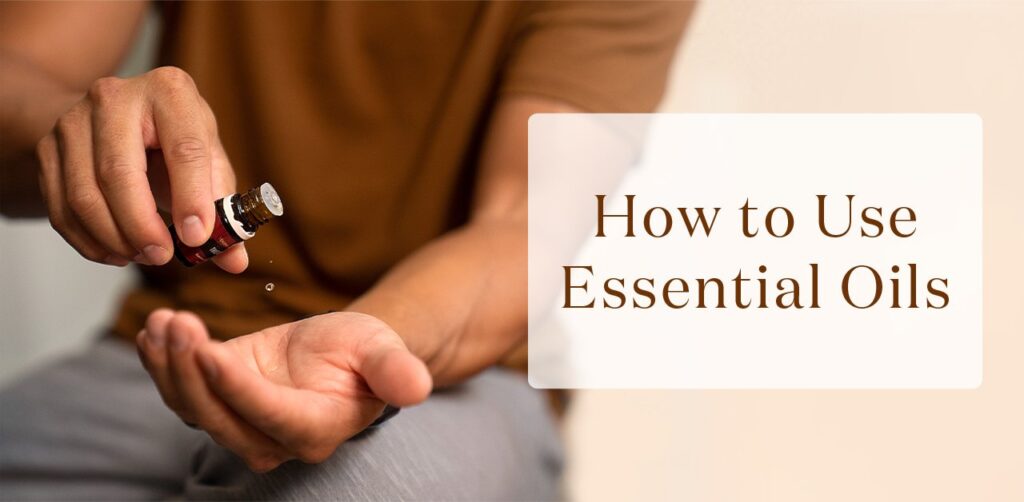
Mastering essential oils requires choosing between breathing them in or diluting them for your skin. For skin, blend 3 to 6 drops into 1 ounce of carrier oil like jojoba. For breathing, add 3 to 5 drops to an ultrasonic diffuser filled with 100 milliliters of water.
Carrier oils make plant extracts safe for skin contact. Without a plant oil to dilute them, pure extracts can burn human tissue, cause painful allergic reactions, and cause chemical burns.
The biggest risk starts before the bottle even opens: buying low-quality fragrance oils marked with unregulated marketing words like “pure” or “therapeutic grade.” If a label lists “fragrance” or skips the Latin plant name, put it back.
Table of Contents
How to use essential oils safely

-
Pick a pure essential oil with its Latin name printed clearly on the label. Check the bottle for a dark glass container, since sunlight breaks down delicate plant compounds quickly.
-
Clean and fill your electric diffuser with 100 milliliters of fresh tap water. Add 3 to 5 drops of oil, place it across the room, and let it run for 30 minutes in a ventilated room.
-
Mix for the skin by adding 3 drops of essential oil to 1 tablespoon of sweet almond or jojoba oil for a 1% blend. If you want a stronger 2% blend for a healthy adult body massage, use 6 drops instead. Tip: Never substitute plain water for a carrier oil when mixing, because pure oil floats on water and hits your skin at full strength.
-
Test your skin by rubbing 2 drops of the diluted mixture onto your inner forearm. Cover it with a clean bandage and wait 24 hours to ensure your skin shows no itching, swelling, or redness.
-
Rub the blended carrier oil directly onto your wrists, chest, or legs after the patch test passes. If your skin turns red or starts to sting, immediately wipe the area with pure carrier oil to lift the residue. Tip: If skin irritation occurs, wash the area gently with mild soap and water or use a carrier oil to dilute the residue.
-
Stop immediately and call medical help if someone swallows any amount of essential oil. The National Capital Poison Center guidance on essential oils warns that swallowing even tiny amounts can cause throat burns, vomiting, and nervous system poisoning.
How long it takes
Using essential oils gives fast results, but each method works at a different speed.
| Situation | How long | What changes it | What to watch for |
|---|---|---|---|
| Ultrasonic diffusing (100ml water) | 30 to 60 minutes | Room airflow and ceiling height | Headaches or watery eyes |
| Skin patch test (inner arm) | 24 hours | Individual skin sensitivity | Red bumps, itching, or heat |
| Topical absorption (1-2% mix) | 15 to 45 minutes | Base carrier oil thickness | Burning, tingling, or rash |
If a scent stops spreading within 10 minutes of running a machine, clean the ultrasonic plate with white vinegar to clear sticky resin clogs.
How to tell when it’s done
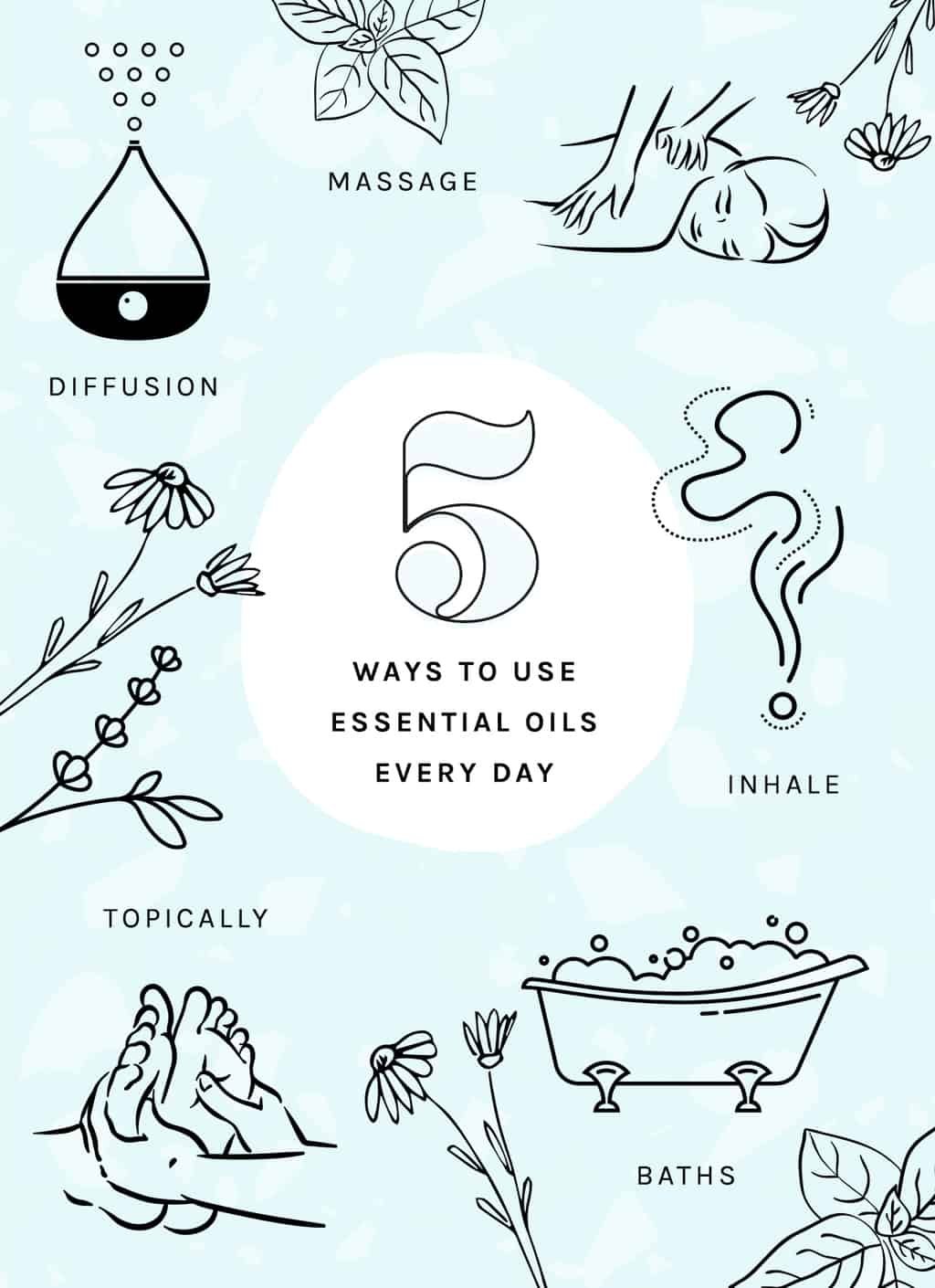
A working mist looks like a fine, steady steam drifting quietly into the room without leaving wet puddles on your wooden table. When diffusing, the room smells lightly of plants without stinging your throat or making you cough.
On your skin, the carrier oil absorbs fully within 30 minutes, leaving your skin soft rather than greasy. If you’re unsure whether your skin tolerated the blend, check the test patch under bright light after a full day. Any mild redness means the blend was too strong, and you shouldn’t use it on your body.
Mistakes that ruin it
- Applying oils undiluted: Pure extracts strip skin lipids and trigger permanent contact allergies that ruin future use. Always dilute drops into a plant-based carrier oil before letting them touch bare skin.
- Swallowing drops in water: Essential oils don’t dissolve in water, which means the raw fluid burns your mouth, throat lining, and stomach. Never drink essential oils, even if online recipes suggest adding lemon drops to morning drinks.
- Diffusing all day in closed rooms: Breathing concentrated vapors for hours overloads your lungs and causes dizziness, sinus headaches, and nausea. Run your diffuser for 30 minutes, then turn it off for an hour while keeping doors cracked open.
- Using strong oils around domestic pets: Cats and dogs lack liver enzymes needed to break down oils like tea tree, pennyroyal, and eucalyptus. Diffuse only in open areas where pets can easily leave the room.
Frequently asked questions

Can you put essential oils directly on your skin?
No, you shouldn’t put raw oils on bare skin. Pure plant oils are highly concentrated chemical liquids that cause severe chemical burns and permanent skin allergies. Always blend your drops into a carrier oil like jojoba, argan, or olive oil before applying them to your body.
Is it safe to leave a diffuser on overnight?
No, leaving a diffuser running while you sleep overexposes your lungs to concentrated organic compounds. This often causes morning headaches, sinus irritation, and grogginess. If your machine features an automatic timer, set it to turn off after 30 minutes instead of running all night.
What happens if you get essential oil in your eyes?
Flush your eye immediately with lukewarm water or saline solution for at least 15 minutes and seek medical attention. Lipids grab the essential oil molecules and lift them safely away from delicate eye tissues. If severe pain, vision changes, or burning lasts past 15 minutes, visit an urgent care doctor.
Can you ingest essential oils for health benefits?
No, never drink or eat essential oils. The human digestive tract is lined with sensitive mucous membranes that corrode when exposed to pure volatile oils. Swallowing them carries a real trade-off: temporary digestive relief balanced against severe mucosal inflammation, liver stress, and accidental poisoning.
Who is this not for?
This practice isn’t for homes with pet birds, infants, or people suffering from severe reactive asthma. Birds have tiny, sensitive air sacs that fail quickly when breathing concentrated terpenes. For infants, their thin skin absorbs toxins rapidly, making essential oil use unsafe.
Do essential oils expire over time?
Yes, this varies by model and bottle type, so check the label date. Citrus oils oxidize as they age, turning sour and irritating to skin, while wood oils can last much longer. If an oil looks cloudy, smells sharp like turpentine, or thickens, throw it away immediately.
Final Thoughts
Start your journey by testing a tiny amount on your inner arm to ensure your skin reacts well. Once you’re comfortable, try blending different scents to create a custom aroma that fits your mood. It’s a simple way to make your home feel more peaceful, so have fun exploring your favorite combinations.