
To solve how to unclog toilet when plunger doesnt work, pour half a cup of liquid dish soap followed by a gallon of hot tap water directly into the bowl. This method clears the trap because the single most common cause of an unyielding blockage is dense waste combined with toilet paper stuck against dry porcelain.
Table of Contents
Why this happens
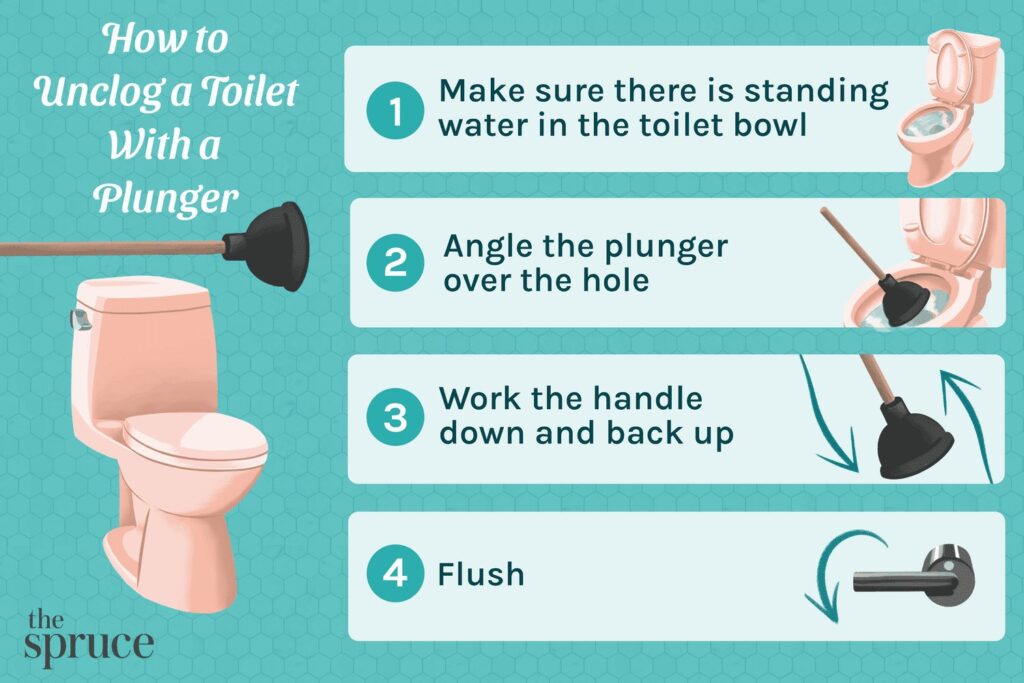
Toilets clog past the reach of a plunger when trapped waste sits deep in the curving trapway. A plunger clears simple clogs by moving water back and forth to loosen paper near the bowl’s opening.
First, heavy wads of toilet paper catch on internal porcelain ridges. This happens easily if mineral deposits have narrowed the pipe over time. Second, non-flushable items create hard physical dams that rubber cups can’t break. “Flushable” wipes don’t break down in water like toilet tissue does; the EPA’s guide on what not to flush warns that these materials bind together and cause severe residential drain blockages. Finally, older low-flow toilets often lack the water force needed to push bulky solids around the second bend of the trapway, leaving a dense plug resting past the reach of surface suction.
Pour dish soap and hot tap water
This fix is for soft clogs made of toilet paper and organic waste. Squirt half a cup of liquid dish soap directly into the standing toilet water. If you’re out of liquid soap, you can use the same amount of laundry detergent or shampoo. Let it sink to the bottom for 15 minutes to coat the trapway.
Next, heat one gallon of water on the stove until it’s hot to the touch, but not boiling. Pour the gallon smoothly into the center of the bowl from waist height. The extra height adds gravity and pressure, while the hot water softens the paper mass. You’ll know it worked when the standing water drops suddenly with an audible sucking sound. If the bowl empties completely, wait 10 minutes and press the flush handle to test the line.
Feed a wire toilet auger
This mechanical method is for deep blockages or foreign items that soap can’t dissolve. A manual plumbing auger (also called a toilet snake) uses a long, coiled wire cable with a protective plastic guard that prevents metal from scraping the porcelain. Slide the curved rubber end of the tool into the drain hole. Turn the handle clockwise while pushing downward with firm pressure.
Feed about 3 feet of cable into the pipe until you feel solid resistance. Rotate the crank continuously to break up the mass, or snag it if an object fell in. Slowly pull the cable backward out of the drain. You’ll know it worked when the water in the bowl drains out on its own. This tool isn’t for thin plastic pipes or wall vents.
Create chemical expansion with baking soda

This home fix is for stubborn, slow-draining paper clogs when you don’t own plumbing snakes. Pour one cup of dry baking soda into the bowl water. Follow immediately with two cups of plain white household vinegar. The mixture will instantly fizz and foam upward inside the bowl.
Let the mixture react undisturbed for 30 minutes. After the time passes, pour half a gallon of warm tap water into the bowl. If water clears out freely, the path is open. The trade-off is time: chemical fizzing takes far longer than a snake, but it avoids direct physical contact with dirty water. If water stays high after 40 minutes, stop and contact a licensed plumber.
What not to do
- Never pour boiling water into a cold toilet bowl, because rapid heat changes can crack porcelain fixtures instantly.
- Don’t use a straightened wire coat hanger, since bare metal easily scratches visible porcelain glaze and leaves permanent gray marks.
- Avoid pouring harsh chemical drain cleaners like sulfuric acid or lye, because they release toxic fumes and damage vintage pipes if trapped.
- Don’t flush the toilet a second time if the bowl is full, as this causes dirty water to spill over onto your bathroom floor.
How to stop it happening again
Change how you use your bathroom fixtures to keep waste moving freely through household plumbing pipes.
| If you’re doing this | Do this instead | Why |
|---|---|---|
| Flushing personal wet wipes | Throw wipes in a trash can | Wipes don’t break down in water and catch on pipe walls |
| Using large bundles of toilet paper | Flush halfway through your visit | Smaller paper amounts pass easily through narrow trapway bends |
| Flushing bathroom dental floss | Throw floss into the trash bin | Thin strands bundle together and snag solid waste downline |
| Relying on minimal water per flush | Hold the flush handle down longer | |
| Dropping hygiene products down the drain | Keep a small wastebasket near the bowl | Cotton fibers swell up in standing water and create rock-hard plugs |
Frequently asked questions

Can boiling water crack a toilet bowl?
Yes. Boiling water causes thermal shock, which instantly cracks cold ceramic or porcelain fixtures. This mistake damages the bowl beyond repair and causes major floor leaks. Only use hot tap water under 140 degrees Fahrenheit when trying to clear a stubborn clog.
How long does dish soap take to unclog a toilet?
Dish soap takes roughly 15 to 20 minutes to work. The heavy liquid needs this time to slide past the standing water, coat the porcelain walls, and lubricate the blockage before you add hot water.
What happens if I keep flushing a clogged toilet?
The toilet bowl will overflow onto your bathroom floor. The tank holds enough water to fill the bowl right to the rim, so a second flush sends waste spilling over. If water rises, remove the tank lid and push the rubber flapper down immediately.
Is liquid drain cleaner safe for toilets?
No. Chemical drain cleaners generate high heat inside the curved trap. The caustic chemicals sit trapped inside the bowl, which can melt rubber seals, damage aging plumbing pipes, and splash back onto your skin if you attempt mechanical clearing later.
Why does toilet water rise and then slowly drain?
A partial obstruction rests deep inside the line. Water squeezes past the edges of the blockage very slowly, but the pipe lacks the clear space needed for a swift, full flush. A wire auger usually clears these stubborn partial plugs.
Final Thoughts
If these simple ingredients don’t get things moving, don’t panic or reach for harsh chemicals. It’s likely time to use a plumbing snake to break up the stubborn obstruction safely. If you don’t have one handy, a quick trip to the local hardware store will help you get back to normal.
Related guides
- How to Remove Urine Scale from Toilet Bowls Quickly
- How to Make the Toilet Flush Better: Easy DIY Fixes
- How to Fix a Toilet That Keeps Running Intermittently






