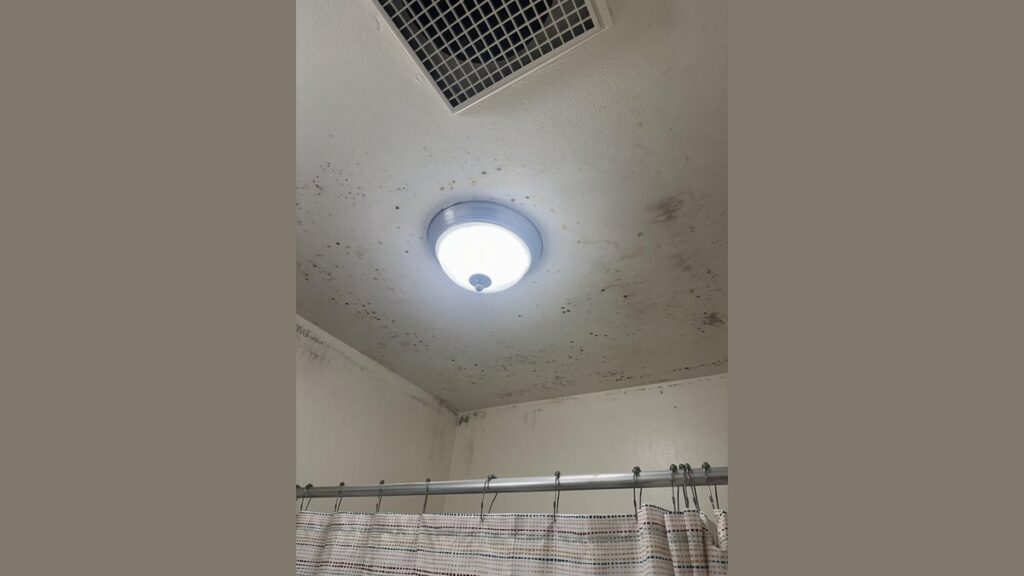
Controlling moisture and airflow is the only way for how to stop mold growing on bathroom ceiling surfaces permanently. Bleaching the dark spots cleans the surface for a week, but it leaves drywall wet underneath and costs you repeated paint jobs when spores return. The right method dries the room before spores take root.
Table of Contents
Stop mold growing the right way

| What most people do | What to do instead | Why it matters |
|---|---|---|
| Spray pure chlorine bleach | Wash with diluted detergent | Bleach damages paint binders |
| Turn off fan immediately | Run fan twenty minutes | Trapped steam feeds spores |
| Paint over active spots | Clean, dry, then prime | Mold rots fresh topcoats |
| Keep bathroom door shut | Crack door two inches | Fresh airflow speeds drying |
| Wipe with wet rag | Dry ceiling with towel | Lingering water enters drywall |
| Clean large toxic patches | Hire mold remediation expert | Spores spread into lungs |
Stop spraying chlorine bleach on drywall
Bleaching bathroom ceilings seems effective because chlorine removes dark stains in minutes. However, chlorine can’t soak into porous drywall or plaster. The chemical evaporates into the air quickly, leaving pure water behind inside the ceiling panel. That leftover moisture feeds the fungus roots that survived underneath. Over time, repeated bleach treatments break down your ceiling paint and weaken gypsum board.
Use warm water mixed with standard dish soap to lift the surface grease and fungus. If you deal with persistent spores, apply three percent hydrogen peroxide or distilled white vinegar instead. These liquids penetrate porous materials better than chlorine without ruining the drywall paper. According to the EPA guide on mold cleanup, fixing the underlying moisture problem is the only step that permanently stops growth on building materials. Never mix vinegar and peroxide together, as they create harmful acid vapors. This cleaning step works for surface patches smaller than ten square feet. If you find larger patches or soft drywall, you’re dealing with structural damage that requires professional remediation.
Run exhaust fans twenty minutes after showers
Shutting the ventilation fan as soon as you step out of the shower traps warm, humid air right against the ceiling. Steam rises naturally, condenses into liquid drops on cold drywall, and gives fungus spores the water they need to sprout within twenty-four to forty-eight hours. Running the fan only while showering doesn’t clear this condensed vapor.
Leave the exhaust fan running for at least twenty minutes after you turn off the water. If your bathroom lacks a wall timer, switch the fan on manually and set a kitchen timer. Here is your decision rule: if your bathroom mirror stays foggy five minutes after your shower, do increase your fan time to thirty minutes; if the mirror clears instantly, do keep it at twenty. This habit carries a minor trade-off: your winter heating bill might rise slightly because warm indoor air vents outside. Still, that small cost beats replacing rotted ceiling drywall. This routine isn’t for windowless half-baths without a shower, where high humidity rarely builds up.
Apply mold-resistant primer before repainting
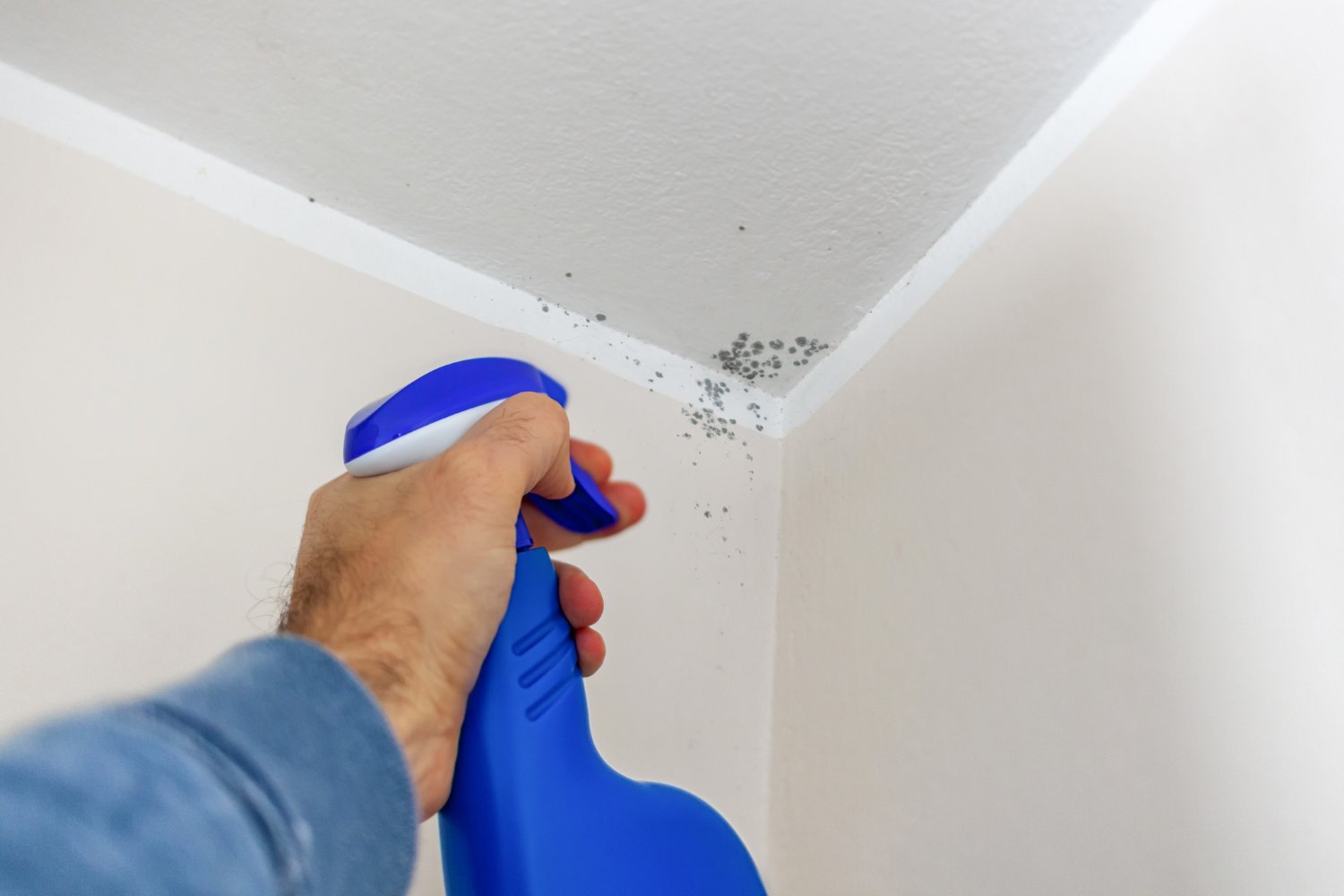
Painting latex wall paint directly over cleaned ceiling spots is a costly mistake. Standard indoor paints lack fungicides, meaning mold feeds directly on the paint’s organic binders once damp air returns. Skipping proper primer causes fresh paint to bubble, peel, and turn black within three months.
Scrape away flaking material, sand the dry surface smooth, and coat the bare drywall with an oil-based or dedicated mold-killing primer. Check the product can for the manufacturer’s recoat time, which usually requires waiting two to four hours depending on indoor humidity. Once dry, apply two coats of satin or semi-gloss acrylic paint rather than flat ceiling paint. Glossier sheens repel water droplets instead of absorbing them. If you rent and can’t repaint, this repair step isn’t an option for you; focus entirely on ventilation and wiping surfaces dry instead. Remember an honest limit: paint additives prevent surface growth, but they won’t stop mold if your roof or upstairs plumbing leaks water downward into the ceiling.
Advice you can ignore
- Lighting scented candles clears spore growth: Candles add pleasant scents and mask musty odors, but open flames add soot and do nothing to lower room humidity or kill fungi.
- Wiping the ceiling with tea tree oil prevents all mold: Essential oils smell strong and carry mild antifungal traits, but they leave oily films that trap dust and feed future bacteria.
- Painting over mold with thick sealant kills it: Trapping active spores under standard rubberized sealants rots the hidden paper facing of the drywall and hides spreading structural decay.
- Running a dehumidifier replaces an exhaust fan: Dehumidifiers remove ambient air moisture slowly over several hours, but they can’t pull dense steam plumes out of the room fast enough during hot showers.
The right way, start to finish
- Turn on your bathroom exhaust fan, open the window two inches, and put on rubber gloves and an N95 dust mask.
- Mix one teaspoon of liquid dish soap into two cups of warm water inside a clean bucket or spray bottle.
- Spray the solution onto the mold spots, let it sit five minutes, and wipe firmly with a microfiber cloth until clean.
- Mist three percent hydrogen peroxide across the cleaned area and leave it wet for ten minutes to sanitize the porous drywall.
- Press a clean, dry microfiber mop or dry towel against the ceiling to pull out all leftover moisture from the paint surface.
- Check your exhaust fan airflow by placing a single sheet of toilet paper against the intake grille to confirm strong suction holds it flat.
- Run the fan for twenty straight minutes after every shower to drop room humidity below fifty percent before leaving the bathroom door open.
Frequently asked questions

Can mold on the bathroom ceiling make you sick?
Yes, breathing airborne mold spores causes allergic reactions, sneezing, skin rashes, and asthma attacks in sensitive people. Damp drywall releases invisible spores into bathroom air every time hot shower steam warms the ceiling, making proper mask protection essential during cleaning.
Why does mold keep coming back on the bathroom ceiling?
Your room stays humid too long after showers, giving microscopic spores the constant water supply they need to regrow. Cleaning only removes visible top growth, so mold returns within days unless you improve airflow or run your exhaust fan longer.
Is vinegar better than bleach for bathroom ceiling mold?
Yes, vinegar works better because mild acetic acid sinks into porous drywall to reach fungus roots without ruining underlying paint binders. Bleach stays on the exterior paint layer, loses its sanitizing power quickly, and leaves water behind that feeds future fungal colonies.
How long does it take for bathroom ceiling mold to grow?
About twenty-four to forty-eight hours after steam condenses into liquid water drops across warm, unventilated drywall surfaces. Spores germinate quickly once relative room humidity stays above sixty percent, forming visible black or brown colonies in less than a week.
What happens if you paint over mold on a ceiling?
The mold eats through the fresh paint layer within weeks, causing bubbling, flaking, and black stains across your new ceiling finish. Trapped fungus also decomposes the underlying drywall paper, turning a simple surface wash into an expensive plaster replacement project.
Does leaving the bathroom door open stop mold?
Yes, opening the door right after bathing lowers humidity fast by trading hot, steamy air with dry air from adjacent living spaces. Just ensure your fan runs simultaneously so steam leaves your home instead of drifting into nearby bedrooms and closets.
Final Thoughts
You’ll find that keeping your bathroom dry doesn’t just protect your paint; it makes your morning routine feel much fresher. Start by checking your exhaust fan for dust buildup this weekend. Once it’s running at full power, you won’t have to worry about those stubborn dark spots appearing ever again.