

The quickest method for how to fix a toilet that keeps running intermittently is wiping the flapper seal clean and giving its lift chain a little slack. This short cycling—often called “phantom flushing”—happens when water slowly seeps past the rubber flapper into the bowl, dropping the tank level until the fill valve kicks on for several seconds to refill it.
Table of Contents
Why your toilet keeps running intermittently
This problem has three real physical causes inside the tank. First, the rubber flapper gets stiff or covered in mineral scale over time, so it can’t seal flat against the drain hole. Second, the flapper chain might be too tight, holding the seal slightly open, or too long, getting trapped under the rubber flap when it drops. Third, the refill tube might sit too far down inside the overflow pipe; this can cause water to be siphoned out of the tank if the end of the tube is submerged in the water level of the bowl or the overflow pipe. While a running toilet rarely damages the home directly, the EPA WaterSense program notes that household leaks can waste substantial amounts of water, driving up utility bills quietly over months.
Inspect and clear the flapper seal
This fix is for tanks where the valve fires every 10 to 60 minutes without anyone touching the handle. Turn the shutoff valve behind the toilet clockwise until it stops, then flush to empty the tank. Rub your finger along the rubber flapper’s underside and the plastic rim it rests against to clear any grit, slime, or mineral deposits. Check the chain connecting the flush handle lever to the flapper: it needs about 1/2 inch of slack so the flapper sits completely flat. Turn the shutoff valve counter-clockwise to restore the water supply. If the tank fills and stays quiet for an hour, the cleaning worked. This job needs no special tools, but if the porcelain tank lid is cracked, stop and replace it to avoid cuts.
Reset the refill tube height
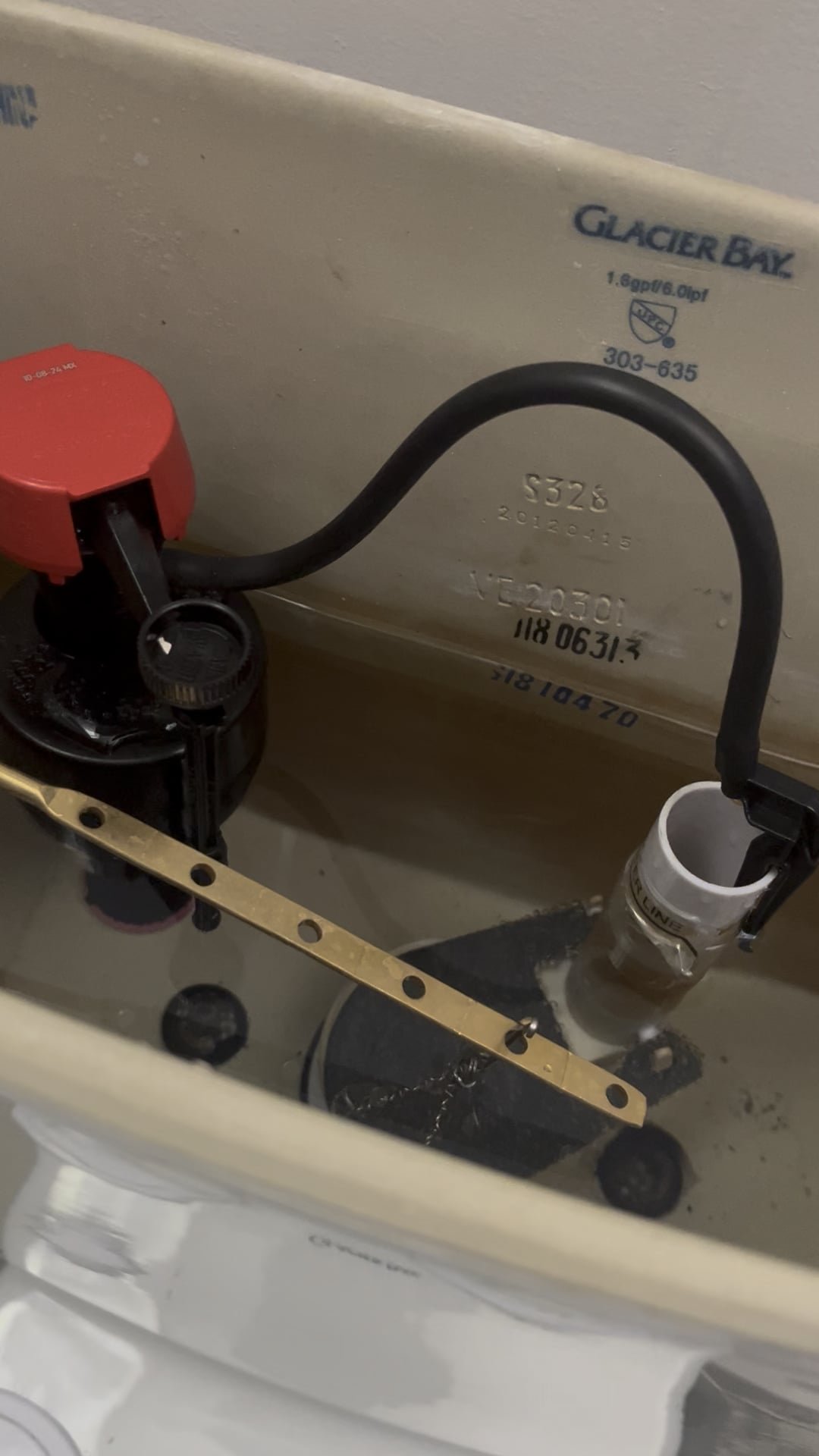
This fix targets the small, flexible plastic hose running from the fill valve tower to the open overflow tube in the tank center. If this tube is pushed deep down into the hollow overflow pipe, it creates a siphon that constantly drains tank water into the bowl below. Pull the thin hose up so its end sits above the overflow pipe rim, and secure it with the small plastic clip that came on the tube. The water level inside the tank should sit roughly 1 inch below the top of that overflow pipe. Flush once, let the tank refill, and ensure the hose sprays into the pipe without dipping beneath the rim.
Replace the worn flapper assembly
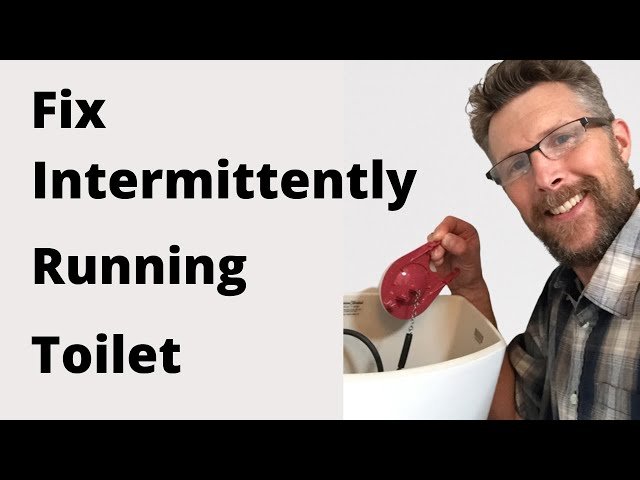
This step is for older units where cleaning doesn’t stop the phantom flush. If the rubber feels sticky, warped, or leaves black marks on your fingers, you can’t restore it. Swapping a flapper is a simple, low-cost job that takes 10 minutes, but it has a trade-off: universal flappers save money, yet they don’t seal properly on every toilet brand. If the flush valve opening measures 2 inches across, buy a standard 2-inch flapper; if it measures 3 inches across, buy an extra-large model. Unhook the old rubber ears from the overflow pipe pegs, snap the new flapper in place, and clip the chain to the handle arm. If you replace the flapper and the toilet still cycles, the plastic drain seat beneath it’s cracked, which means pulling the tank off the bowl—a job best left to a licensed plumber to avoid cracking the porcelain.
What not to do
- Drop chemical drop-in bleach tablets into the tank, because the harsh oxidizers rot flexible rubber flappers and plastic valves within months.
- Bend the metal float arm with heavy force, which snaps the internal valve seals and causes a continuous overflow leak.
- Coat the leaky flapper with silicone sealant or glue, as the wet environment keeps adhesives from setting and fouls the drain opening.
- Shorten the lift chain until it has zero slack, since this holds the flapper slightly off the drain hole and guarantees phantom flushing.
How to stop it happening again
Preventing intermittent toilet running requires regular visual checks and proper tank care.
| If you’re doing this | Do this instead | Why |
|---|---|---|
| Leaving drop-in chlorine pucks in the tank | Pour liquid bowl cleaner directly into the bowl | Tank chemicals eat rubber flappers and silicone seals quickly |
| Ignoring hard water scale on the valve | Wipe the valve seat with a sponge twice a year | Mineral buildup prevents the flapper from dropping flat |
| Guessing flapper size during a repair | Measure the drain diameter across the bottom opening | A 2-inch flapper will leak immediately on a 3-inch flush valve |
| Snapping the chain taut to remove play | Leave 1/2 inch of loose chain links on the arm | Tight chains hold the rubber edge up, causing water loss |
Frequently asked questions
Can a running toilet increase your water bill?
Yes, a toilet that runs intermittently wastes water around the clock. The slow leak forces the fill valve to open repeatedly, which can add significant extra gallons to your monthly utility usage if left unchecked.
Why does my toilet run for 5 seconds every few minutes?
Water is leaking slowly from the tank down into the bowl. When the water level inside the tank drops below the float’s trigger point, the fill valve opens briefly to top off the tank, then shuts off again.
How long does a toilet flapper usually last?
A standard rubber flapper lasts between 2 to 5 years under normal conditions. Using in-tank cleaning tablets or living in an area with hard municipal water will degrade the flexible material much faster.
Is it safe to leave a toilet running while away?
No, you should shut off the supply valve behind the toilet before leaving for a long trip. An unmonitored leak wastes water, and a cracked fill valve can rupture under sustained household pressure, causing indoor flooding.
What happens if the flapper chain is too long?
The extra metal chain links fall beneath the rubber flapper as it closes. This prevents the flapper from sealing against the drain opening, creating an immediate, continuous water leak straight into the toilet bowl.
Final Thoughts
If the water level still won’t stay steady, don’t worry. You might just need to replace the flapper entirely, as the rubber can harden and crack over time. It’s an inexpensive part that’s easy to swap out. Once you’ve finished, you’ll finally enjoy the peace and quiet of a silent bathroom.
Related guides
- Bathroom Sink Filling With Water By Itself: How to Fix It
- Charcoal Filter for Bathroom Fan: Essential Air Quality Fix






