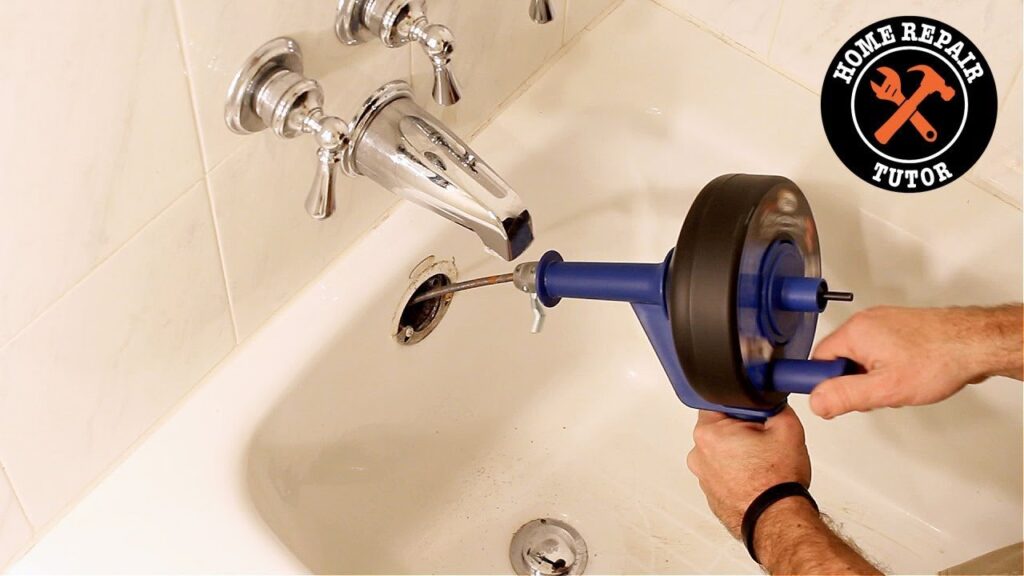
Pulling hair and soap residue out with a plastic drain snake is the most reliable way for how to unclog a shower drain without chemicals. Most blockages sit within the top 6 inches of the pipe. You can remove the drain cover and pull out the tangle in under five minutes using a cheap tool or a wire hanger.
Table of Contents
Why your shower drain clogs
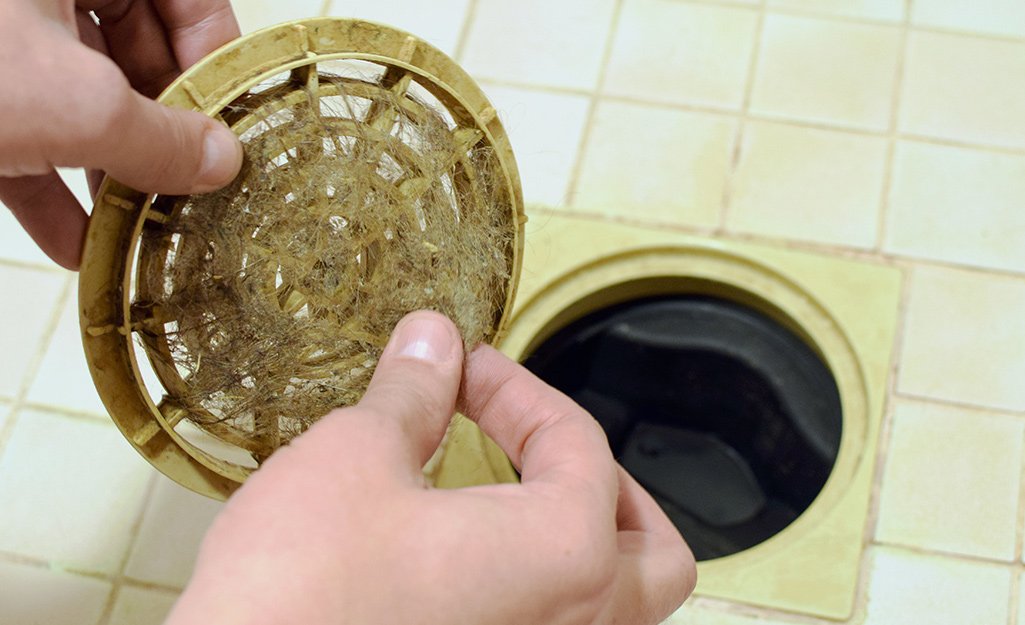
Shower clogs build up slowly from a mix of shed hair, body oils, and soap. When warm shower water carries soap scum down the pipe, the residue sticks to the pipe walls as it cools. Loose hairs catch on the drain crossbars or inner ridges, and this sticky soap binds them into a thick mat.
Over time, sediment like bath salts or dirt adds weight to the tangle. This trap catches more hair every time someone showers. The water slows down first, and then it stops draining entirely once the mat seals the opening. Tree roots or broken main pipes can cause backups too, but if only the shower pan fills with water, the trouble is simply hair stuck near the surface trap.
Clear the trap with a plastic snake
This physical method works best for standing water caused by everyday hair build-up. You’ll need a flexible plastic hair snake with barbed edges, which measures about 18 to 20 inches long.
- Remove the drain cover using a standard screwdriver, or twist it counterclockwise if it’s a snap-in model.
- Push the plastic snake straight into the opening until you hit resistance.
- Pull the snake straight up slowly.
- Throw the pulled clump straight into the trash.
If you don’t have a plastic snake, straighten a wire coat hanger and bend a small 1/4-inch hook at the end with pliers. It removes clogs almost as well. You’ll know it worked when a gallon of tap water drains immediately without pooling. This fix isn’t for old, heavily corroded iron pipes, which can snap plastic barbs off inside the wall.
Dissolve residue using hot water and dish soap
This liquid wash is for slow drains caused by thick body wash, conditioner, and greasy soap scum rather than solid hair knots. It melts the soft fats binding the grime together. The trade-off is that it takes longer to work than manual pulling, but you don’t have to fish out dirty clumps by hand.
- Heat 1 gallon of tap water in a kettle until it’s hot, but turn off the heat before it boils.
- Pour 1/2 cup of standard liquid dish soap straight down the shower opening.
- Wait 10 minutes so the soap cuts through the grease on the pipe surface.
- Pour the hot water slowly down the opening from about 6 inches above the drain.
Water that drains in a smooth swirl shows the pipe is clear. The US Environmental Protection Agency Safer Choice program highlights that standard detergents break down organic grime without releasing the dangerous fumes found in caustic cleaners.
Force the blockage with a cup plunger
This mechanical push is for deep clogs that sit past the reach of short snakes, near the shower P-trap. Standard flat plungers work, but accordion-style cup plungers create more suction. This is worth the extra muscle when a snake pulls back clean but the shower pan still fills with water.
- Rub a thin layer of petroleum jelly along the rubber rim of the plunger to improve the seal.
- Run 1 to 2 inches of water into the shower pan so the plunger cup stays submerged.
- Block the overflow opening with a wet washcloth if your shower has one.
- Set the cup squarely over the drain opening to push out trapped air.
- Pop the plunger off quickly on the final pull.
If water drains fast, the pressure wave broke the clog free. If the pan still backs up after three tries, stop; deep clogs past the trap require a licensed plumber with a drum auger.
What not to do
- Never pour boiling water into PVC pipes. Water at 212°F can soften modern plastic joints and melt rubber slip seals, which causes hidden leaks behind walls.
- Avoid mixing baking soda and vinegar for heavy clogs. The foamy reaction looks powerful, but it produces mostly saltwater and carbon dioxide gas, which lacks the force to cut dense hair.
- Don’t shove thin wire down without a hook. A straight wire simply pushes the hair mat deeper into the pipe curve, making it much harder to reach.
- Stop using chemical drain openers. Caustic lye eats away pipe glue, generates dangerous heat inside plastic lines, and splashes onto skin if you must plunge later.
How to stop it happening again
Small changes to your routine will keep hair out of the plumbing entirely.
| If you’re doing this | Do this instead | Why |
|---|---|---|
| Letting loose hair wash down | Place a silicone hair catcher over the grate | Catches strands before they enter the pipe |
| Using thick bar soaps with tallow | Switch to liquid body wash | Liquid soap leaves less greasy residue on walls |
| Washing pets directly in the shower | Lay a mesh strainer over the drain hole | Pet fur is dense and binds instantly with soap scum |
| Rinsing oily body scrubs freely | Wipe excess scrub off with a towel first | Heavy cosmetic oils congeal quickly inside cold pipes |
Frequently asked questions
Can boiling water crack a shower pan?
Yes. Boiling water can crack cold porcelain, warp thin acrylic pans, and soften plastic P-traps beneath the floor. Keep water hot from the tap instead of boiling it on the stove. This simple rule protects plumbing joints from heat damage.
Is baking soda and vinegar safe for pipes?
Yes. The mixture is gentle on plumbing materials, but it rarely clears a solid hair knot. It creates fizzing bubbles that remove light odors, yet it lacks the chemical strength to break down real clogs.
How long does it take to snake a shower drain?
If the blockage sits within the first foot of the pipe, you can pull the mass out on your first or second pass.
Why is my shower still clogged after snaking?
The clog sits further down the pipe line than your tool can reach. A short plastic snake only reaches about 18 inches. If multiple fixtures back up at once, the main home line is blocked.
What happens if a plastic snake breaks off inside the drain?
Retrieve the broken piece right away using needle-nose pliers or a wire hook. Leaving plastic inside the pipe creates a permanent trap for future hair. If it slips past the P-trap, you must call a professional.
Can you use a toilet plunger on a shower drain?
Yes, if it has a flat rubber base. Traditional toilet plungers feature an extra inner fold that prevents a flat seal against a shower floor. Fold that inner neck up inside the cup before plunging.
Final Thoughts
If the water still drains slowly after you’ve cleared the debris, there might be a deeper issue in your pipes. Don’t hesitate to call a plumber if you’re worried about potential leaks. It’s better to be safe than sorry, and they’ll ensure your bathroom stays in great shape for years to come.