To use a scale to measure body fat accurately, step on the platform bare-foot once a week, first thing in the morning, after using the restroom and before drinking water. A standard smart scale provides a helpful trend line within an error margin of several percentage points rather than a laboratory-grade reading. The details below show how to control water levels, handle device settings, and track numbers so your home data stays reliable over time.
Table of Contents
How your scale measures body fat accurately

A smart body fat scale sends a tiny, safe electric signal up through one leg and down the other. The process uses bioelectrical impedance analysis, which calculates body fat because lean muscle holds water and conducts electricity quickly, while body fat resists the current.
Many people buy these devices expecting the exact precision of an autopsy. That’s a major misconception. A consumer scale doesn’t weigh your fat directly on a physical plate; it calculates a mathematical estimate based on your speed of conduction, total weight, height, age, and assigned sex.
Who this isn’t for: these scales aren’t safe for anyone with an implanted medical device like a pacemaker, because the electrical pulse can interfere with the hardware. A standard scale also misses visceral fat around upper organs since the current simply travels up your legs and across your pelvis. This tool works best for ordinary adults who want to follow personal fitness trends at home over months, rather than people who need medical diagnostics.
The basic method
Follow these exact steps to collect consistent numbers every time you step onto your scale:
- Place the scale on a flat, hard tile or wood floor, keeping it at least 2 inches away from any wall or baseboard.
- Enter your exact profile data into the paired mobile app, including your height to the nearest half-inch and your birth year.
- Wake up, empty your bladder completely, and remove all clothing, socks, and jewelry.
- Wipe the metal footpads with a dry cloth to clear away dust or bathroom moisture.
- Step onto the platform bare-foot, centering your heels and balls of your feet directly over the metal sensors.
- Stand straight with your arms resting slightly away from your sides, keeping your thighs apart so they don’t touch.
- Remain completely still for 10 to 15 seconds until the digital screen blinks or locks the final percentage reading.
The single judgement call that separates a good result from a bad one is deciding whether your hydration matches your last check. If your water intake was unusually low yesterday, delay your reading by 24 hours; if your routine was normal, log the number immediately.
Key numbers and settings at a glance
Your daily routine changes how fast electrical current moves through your body tissue. Use this table to manage common conditions.
| Situation | What to use | How long | What to watch for |
|---|---|---|---|
| Standard weekly check | Normal user profile | 15 seconds on scale | Morning measurement before any liquid intake |
| High-volume training | Athlete mode profile | 15 seconds on scale | Overestimated fat if using standard sedentary profile |
| Post-exercise reading | Don’t measure | Wait 12 hours | False high fat reading caused by sweat loss |
| Post-meal check | Don’t measure | Wait 4 hours | False low fat reading caused by stomach fluid |
What separates good results from bad ones
Preparation and routine
Consistency beats high-tech features every time. People often check their progress randomly throughout the day, which ruins their data. When you drink 16 ounces of coffee, your stomach holds conductive liquid, driving your fat percentage down falsely on the display. Later, an intense gym workout makes you sweat out 2 pounds of water; that dehydration raises your electrical resistance and creates an artificial jump in your reported fat level.
Taking measurements under identical conditions stops these wild swings. Step on the scale on the same weekday morning each week. Leave the scale in one spot rather than sliding it into cabinets, because moving digital load sensors can temporarily knock them out of balance.
Technical adjustments
Pay close attention to user modes in your device menu. Many brands feature an “athlete mode” designed for adults who exercise intensely for over 10 hours per week. Choosing the wrong setting is a common mistake that costs users weeks of confusion, producing readings that drift several points away from their actual physical composition. Keep your arms separated from your torso during the test; if your inner thighs press together, the current skips past parts of your legs, returning an artificially low body fat estimate.
Common problems and quick fixes

When your screen delivers strange numbers or refuses to measure, consult this chart before resetting your unit.
| What you notice | What it usually means | What to do first |
|---|---|---|
| Percent reading jumps up 3% in a day | Mild dehydration or heavy sweat loss | Drink your normal water and retest tomorrow morning |
| Percent reading drops sharply after dinner | Digestive fluids conducting current fast | Discard the entry and test on an empty stomach |
| Error code displays across screen | Bare feet are too dry to conduct | Wipe feet with a slightly damp washcloth |
| Weight registers but fat percentage skips | Feet missed the metal contact plates | Re-align the balls and heels of your feet on the sensors |
| Results drift over three consecutive days | Low batteries or uneven floor tile | Relocate unit to flat hardwood and insert new batteries |
Medical limits and guidelines
Consumer smart scales serve as general tracking monitors rather than medical diagnostic tools. The National Institute of Diabetes and Digestive and Kidney Diseases points out that clinical health assessments depend on several related factors, such as overall body mass index, waist circumference, and personal medical background, instead of home bioimpedance estimates alone.
Athletic training programs, nutrition planning, and medical evaluations require professional guidance. If your body fat estimates seem dangerously high or low, don’t attempt extreme diet cuts on your own. Schedule a consultation with a registered dietitian or a certified medical practitioner who can run verified physical tests.
Caring for your scale
Keep your digital body scale in an area with steady room temperatures and low humidity. Bathrooms collect heavy shower steam that can corrode inner circuitry and leave mineral residue across the glass contact plates.
Wipe down the metal sensor strips regularly using a microfiber cloth moistened with plain water. Avoid harsh bleach or chemical cleaners, which strip away conductive coatings. This varies by model — check the label on the bottom of your scale for maker-specific care warnings.
When to use a different approach
A home body fat scale is the wrong choice if you need medical-grade accuracy. The trade-off for home convenience is precision; home scales often drift when your daily water retention shifts.
- For true clinical evaluations, book a dual-energy X-ray absorptiometry (DEXA) scan at a medical facility.
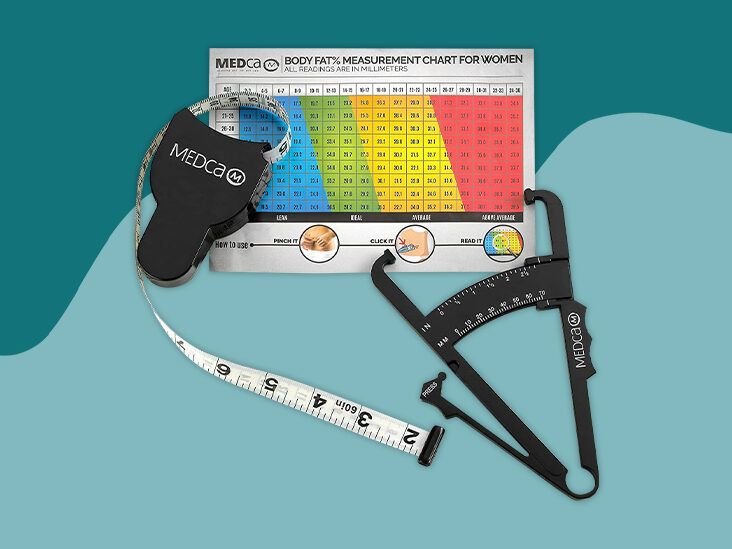
- For competitive bodybuilding where fractions of a percent dictate preparation, use skinfold calipers operated by a trained fitness technician.
- During pregnancy, fluid distributions shift heavily; skip electrical impedance checks completely and rely on standard scale weight guided by your doctor.
Frequently asked questions

Can drinking water change your body fat reading?
Yes. For stable results, take your measurements before breakfast and before drinking fluids.
Why does my body fat percentage go up after working out?
Sweat loss removes water from your muscles, which increases your body’s resistance to electrical current. The scale mistakes this temporary water drop for higher body fat. Avoid stepping onto the sensors for at least 12 hours after heavy exercise.
How often should I check my body fat percentage?
Once per week is plenty for tracking changes. Daily water retention moves up and down constantly, which creates confusing shifts on your app charts. Pick a single weekday morning to log numbers that show real, long-term trends.
Is it safe to use a body fat scale while barefoot?
Yes, standing bare-foot on the clean sensors is safe and necessary for the low electrical current to pass through skin. However, step off if you feel pain, and never touch the platform if your feet are soaking wet from a bath.
What happens if I move the scale to a carpeted floor?
Carpet absorbs physical downward force and produces false numbers for both your weight and fat percentage. Always set the device feet flat against rigid floor surfaces like hardwood, smooth concrete, or ceramic tile.
Final Thoughts
Consistency is your best tool for seeing real progress. Don’t get discouraged by minor daily fluctuations, as your body’s hydration changes constantly. Instead, keep a simple log for a month to spot the bigger picture. You’ll find that focusing on these long-term patterns makes reaching your health goals much easier.
Related guides
- How to Remove Urine Scale from Toilet Bowls Quickly
- Can a Bathroom Scale Help You Lose Weight? Here Is How