Spray a warm mixture of 1 cup distilled white vinegar and 1 cup liquid dish soap over the surface, wait 20 minutes, then scrub with a non-scratch sponge and rinse. Removing soap scum from shower walls helps you clear mineral and body oil buildup without harsh fumes. This simple household method suits standard ceramic tile, porcelain, and fiberglass walls best.
Table of Contents
Supplies to remove soap scum
- 1 cup distilled white vinegar (5% acidity; don’t use industrial cleaning vinegar above 10% indoors without a respirator).
- 1 cup grease-cutting liquid dish soap (standard concentrate).
- 1 microwave-safe bowl or glass measuring cup.
- 1 clean spray bottle (16-ounce or 32-ounce capacity).
- 1 non-scratch scrubbing sponge or soft nylon bristle brush (avoid steel wool or stiff wire brushes, which gouge acrylic and scratch glazes).
- 2 microfiber cloths for wiping and buffing.
- 1 pair of household rubber cleaning gloves.
A standard baking soda paste works well as an abrasive booster if grease remains, but pure bleach won’t dissolve mineral-based scum and leaves dangerous fumes behind.
Step-by-step
- Heat 1 cup of white vinegar in the microwave for 45 to 60 seconds until it’s warm to the touch, not boiling.
- Pour the warm vinegar and 1 cup of liquid dish soap into your clean spray bottle. Gently swirl the bottle for 20 seconds so the liquids blend together without creating thick foam.
- Spray the solution generously over the shower walls, coating the hazy sections until they look wet. If you’re cleaning a tall stall over 7 feet high, work in top-to-bottom sections so the liquid doesn’t dry out before you return.
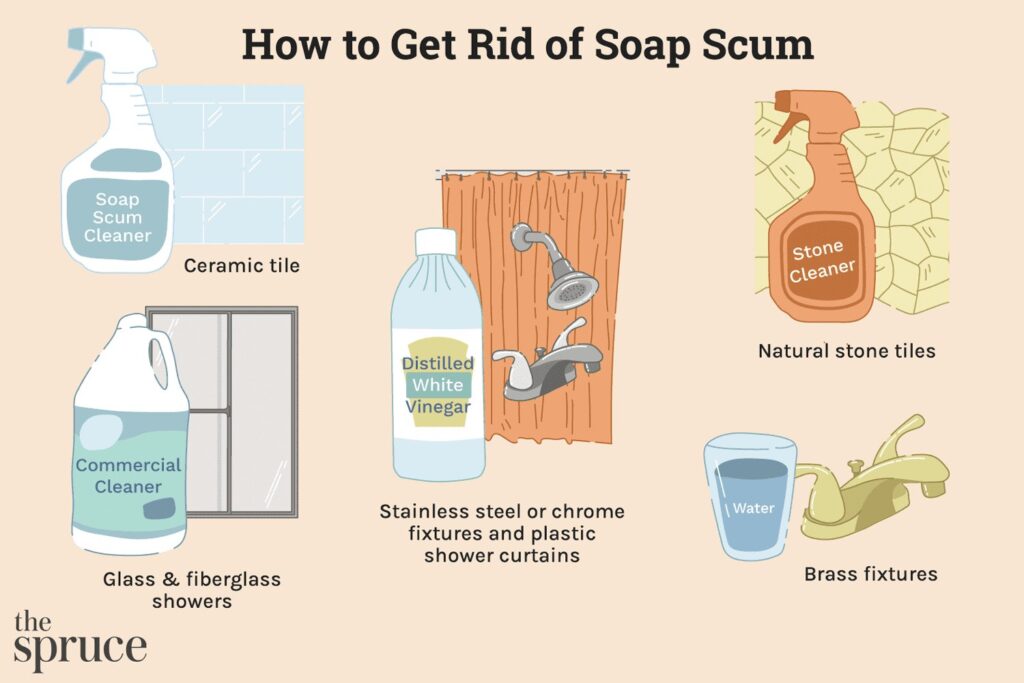
- Let the mixture sit undisturbed on the walls for 20 minutes to soften hardened calcium stearate deposits. Careful: Acid breaks down natural stone. If you have marble, travertine, or limestone tiles, vinegar will permanently etch the surface, so switch immediately to a pH-neutral stone cleaner instead.
- Scrub the damp walls using circular motions with a non-scratch nylon sponge. Spend 30 to 45 seconds on heavily coated corners and around the soap dish. Tip: If stubborn spots resist the sponge, sprinkle 1 tablespoon of dry baking soda directly onto your sponge for gentle extra scrubbing power.
- Rinse the entire wall thoroughly with warm water from your showerhead or a clean bucket until all soap residue vanishes down the drain.
- Dry the tiles and surrounding edges with a clean microfiber cloth.
Wall types and buildup levels
Buildup thickness and wall surfaces change the supplies, soak times, and labor needed to restore the shine.
| Shower Wall Condition | Time Required | Method Variation | What to Monitor |
|---|---|---|---|
| Light haze on ceramic tile | 15–20 minutes | 10-minute vinegar soak, single rinse | Grout lines for residual film |
| Heavy layers on fiberglass | 35–45 minutes | 20-minute soak plus baking soda paste | Surface gloss to prevent dulling |
| Textured acrylic stalls | 25–30 minutes | Warm soap mixture, soft nylon brush | Crevices where grime settles |
Starting with mild soap and short dwell times prevents unnecessary surface wear before you try stronger scrubbing pastes.
How to tell you did it right

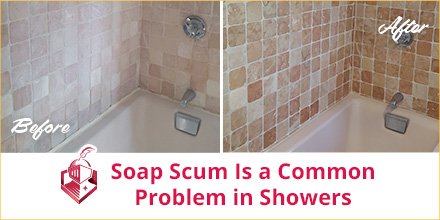
A clean shower wall feels completely smooth under dry fingers, reflects light evenly, and shows no milky white streaks when the room dries. A poor result leaves chalky patches, rough texture near the bottom row of tiles, and cloudy smears across darker grout. This lingering cloudiness usually happens because mineral residues were loosened but left to dry on the surface before being completely rinsed away. You can prevent this haze by rinsing with abundant warm water, squeegeeing the droplets down the drain, and wiping the edges dry with a clean microfiber towel.
Protecting surfaces and maintaining results
To protect indoor air quality during cleaning, follow the EPA guide to indoor air quality by opening bathroom windows and turning on the exhaust fan. After scrubbing, rinse your spray bottle with plain water, wipe the nozzle, and hang damp sponges to dry so mildew can’t form. If your shower has crumbling grout, severe caulking failure, or broken sub-wall waterproofing, stop cleaning and contact a licensed tile contractor before water leaks behind the wall boards.
Alternative cleaning options
Commercial acidic cleaner
Commercial bathroom sprays cut tough grime faster, cutting dwell times down to 3 minutes. The trade-off is stronger chemical fumes and higher product costs, so you must run an exhaust fan continuously while spraying.
Baking soda and peroxide paste
Mix 1/2 cup baking soda with 3 tablespoons hydrogen peroxide to form a thick paste. This works on localized, stubborn grout stains without running down walls, though it takes longer to apply and rinse away cleanly.
High-pressure steam cleaning
Handheld steam machines loosen soap residues using plain tap water and heat in under 10 minutes. While this eliminates all chemical purchases, the machines cost more to buy and can crack cold glass doors if applied unevenly.
Frequently asked questions

Can vinegar damage shower walls?
Yes, vinegar permanently damages natural stone like marble, slate, and limestone by dissolving the calcium carbonate within the rock. Use vinegar only on ceramic, porcelain, glass, and fiberglass.
Why does soap scum come back so fast?
Soap scum returns quickly because dissolved minerals in hard tap water bind with fatty acids from bar soaps every time you shower. Switching to liquid body wash slows this accumulation significantly.
Is bleach safe for removing soap scum?
No, bleach can’t dissolve mineral scale or fatty oil buildup, and its strong fumes irritate your lungs. Bleach whitens organic mold stains, but it leaves behind the hard, crusty soap film.
How long should cleaner sit on shower walls?
Leave mild cleaning sprays on the wall for 15 to 20 minutes before scrubbing. This gives the liquid enough dwell time to soften hard bonds without drying against the surface.
What happens if you use abrasive scouring pads?
Coarse abrasive scouring pads scratch fiberglass, dull acrylic coatings, and strip the glossy protective glaze off ceramic tiles. Those micro-scratches trap more dirt and soap scum later, making future cleaning much harder.
Final Thoughts
Keeping your bathroom sparkling doesn’t have to be a chore if you stay consistent. Try wiping down the tiles with a squeegee after every shower to prevent future buildup from settling. You’ll find that a little bit of daily maintenance makes your weekly cleaning routine feel much faster and easier.
Related guides
- Clean Shower Curtain Mold With Vinegar: A Simple Guide
- How to Get Rid of a Smelly Shower Drain: The Fast Vinegar Fix
- Bathroom Shower Wall Panels: The Ultimate Guide for Your Makeover