Bidets improve hygiene and are becoming more popular, and this comprehensive guide shows you how to switch without making a mess. A stream of water removes bacteria directly, which reduces skin irritation from dry toilet paper. This guide covers setup methods, water pressure targets, safety rules, and daily habits that quick summaries skip.
Table of Contents
How bidets improve personal hygiene

A bidet is a bathroom fixture that sprays clean water to wash your groin and anal area after using the toilet. People use them to feel cleaner, avoid painful chafing, and lower toilet paper waste. They work well for anyone with hemorrhoids, mobility challenges, or sensitive skin.
One common misconception is that bidets reuse dirty water from the toilet bowl. They do not. Most units tap into the water supply line that feeds the toilet tank. The nozzle pushes water out under controlled force to lift away residue without touching your body.
The basic method
Using a bidet correctly takes about two minutes and follows a clear sequence.
- Sit fully back on the toilet seat so the wash nozzle aligns with your body.
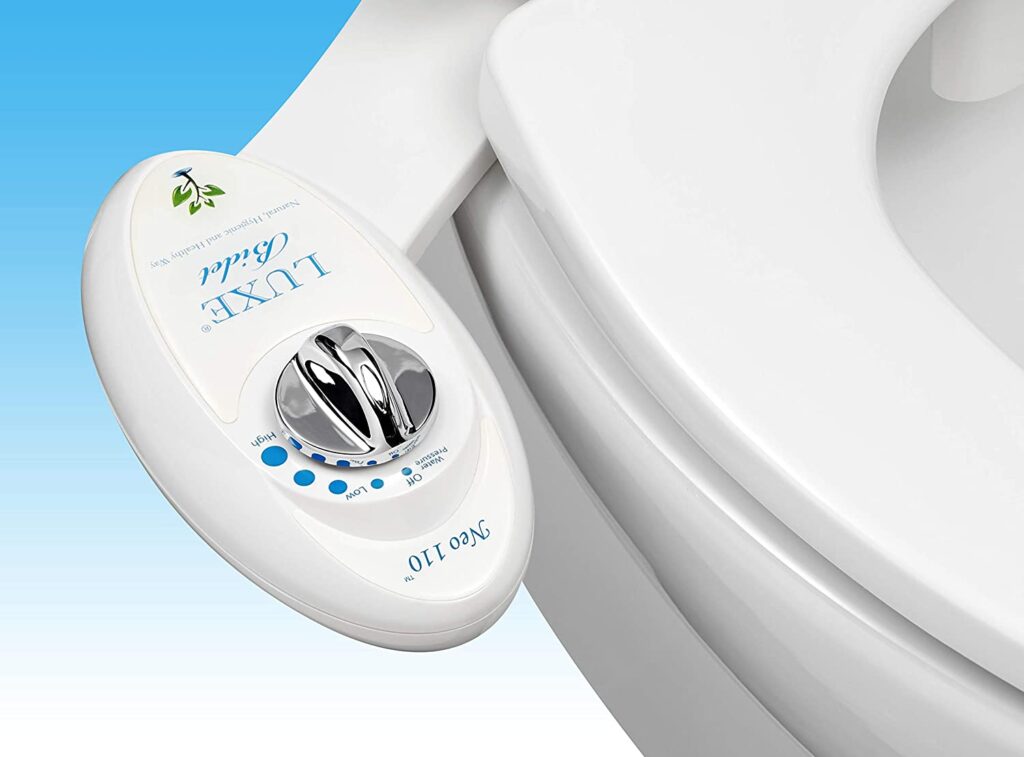
- If your unit is manual, turn the control dial slowly to the lowest setting; if it’s electric, press the wash button on your remote.
- Keep the pressure low for about 10 seconds to find the target without spraying water over the rim.
- Shift your hips slightly forward or backward for 20 to 30 seconds to wash the entire area thoroughly.
- Turn the water off completely once you feel clean.
- Pat the area dry using two or three squares of toilet paper, or turn on the built-in warm air dryer for about two minutes.
The single judgement call that separates a good result from a bad one is water pressure. Cranking the valve to high right away can sting irritated skin and splash dirty water onto your clothes. If you plan to install a bidet seat that needs an electrical outlet near the toilet, hire a licensed electrician to run an outlet protected by a ground-fault circuit interrupter.
Key numbers and settings at a glance
Every user has different needs, so you’ll want to match the setting to your body and your equipment.
| Situation | What to use | How long | What to watch for |
|---|---|---|---|
| Normal daily bowel movement | Medium pressure, rear wash | 20 to 30 seconds | Overspray past the bowl rim |
| Swollen hemorrhoids | Low pressure, warm water | 30 to 45 seconds | Stinging from sudden pressure spikes |
| Postpartum soreness | Low pressure, front wash | 40 to 60 seconds | High water temperature |
| Menstrual care | Front feminine wash nozzle | 20 to 30 seconds | Washing back-to-front |
| Drying with built-in air | Medium heat dryer | 2 to 3 minutes | Sitting damp on the seat |
What separates good results from bad ones
Spray direction and preparation
Getting a clean wash depends on nozzle direction. Always wash from front to back. Blasting water from the rear toward the front can push anal bacteria toward the urethra. Check the nozzle position before you turn the pressure up.
Water pressure and dry skin
People often make the mistake of setting the spray pressure as high as it goes, thinking stronger water means a better wash. This aggressive pressure strips natural skin oils and causes painful micro-tears over time. Keep the pressure gentle. When drying, never wipe with force. Dab gently with a towel or a few squares of paper.
Common problems and quick fixes

Small adjustments solve most bidet issues without calling a plumber.
| What you notice | What it usually means | What to do first |
|---|---|---|
| Water leaks at the pipe joint | Rubber washer is pinched or missing | Turn off water and reset the washer |
| Spray feels weak | Mineral buildup in the tiny nozzle holes | Soak nozzle tip in white vinegar |
| Spray hits the back of the seat | Unit sits too far forward on the rim | Loosen bolts and slide base back |
Plumbing and electrical installation codes
Adding a wash attachment means altering your bathroom plumbing. The Uniform Plumbing Code requires an air gap or vacuum breaker on bidet sprayers to prevent backflow into the water supply. Most modern bolt-on attachments have an internal air gap or check valve that meets this standard, but you must check the box for ASME A112.18.1 certification.
If your model needs electricity for a heated seat, the National Electrical Code requires a dedicated GFCI outlet placed at least several feet away from the shower edge. Never run an extension cord across your bathroom floor. That creates a severe shock hazard in wet conditions. If your bathroom lacks a safe outlet, hire a licensed electrician to install one.
Keeping the nozzles clean
Wash the spray nozzle once a week to prevent mineral buildup and mold growth. Most attachments include a self-cleaning knob that rinses the wand with clean water before and after use. Turn this on for 10 seconds before sitting down.
Regularly pull the wand down by hand and scrub the holes with an old toothbrush dipped in warm water and dish soap. Avoid bleach and harsh chemical cleaners because they crack the internal plastic seals. The exact cleaning method varies by model, so check the label under your lid.
When to use a different approach
A bidet isn’t right for every person or every bathroom. This approach isn’t for renters whose leases forbid plumbing changes, because attaching the T-valve can risk water damage if tightened incorrectly. In that case, use a portable squeeze bottle instead.
People who can’t safely dry the skin afterward should also avoid frequent bidet use. Trapped moisture inside skin folds can trigger yeast infections. If you can’t reach to pat completely dry, stick to damp bathroom wipes and throw them in the trash can.
Frequently asked questions

Can bidets cause a urinary tract infection?
No, as long as you spray from front to back. Problems happen when women wash from the back toward the front, which pushes anal bacteria into the urethra. Always direct the water flow away from the urinary opening to stay safe.
Is it safe to use a bidet during pregnancy?
Yes, using gentle water is much safer than rough wiping during pregnancy. It soothes swollen tissues and keeps the area clean without putting direct pressure on painful hemorrhoids. Keep the water temperature warm, never hot, to avoid burning sensitive skin.
Do bidets save money on toilet paper?
Yes. A typical household uses up to 75 percent less paper once they switch to washing with water. You only need a few sheets to pat yourself dry after the wash cycle ends.
What happens if the bidet water pressure is too high?
High water pressure can cause significant discomfort and irritation to sensitive tissue. It also creates painful micro-tears in delicate skin folds. Start every wash cycle on the lowest dial setting and increase it slowly.
Can children use a bidet safely?
Yes, but you should teach them how to turn the dial first. Children often turn the pressure knob too hard and spray water onto the bathroom floor. Supervise young kids until they know how to adjust the flow.
Final Thoughts
Making the switch to water-based cleaning doesn’t have to be intimidating. Once you’ve experienced the fresh, clean feeling of a bidet, you won’t want to go back to paper alone. Pick out a simple attachment this weekend and see how much better your daily routine feels. You’ll be glad you did.