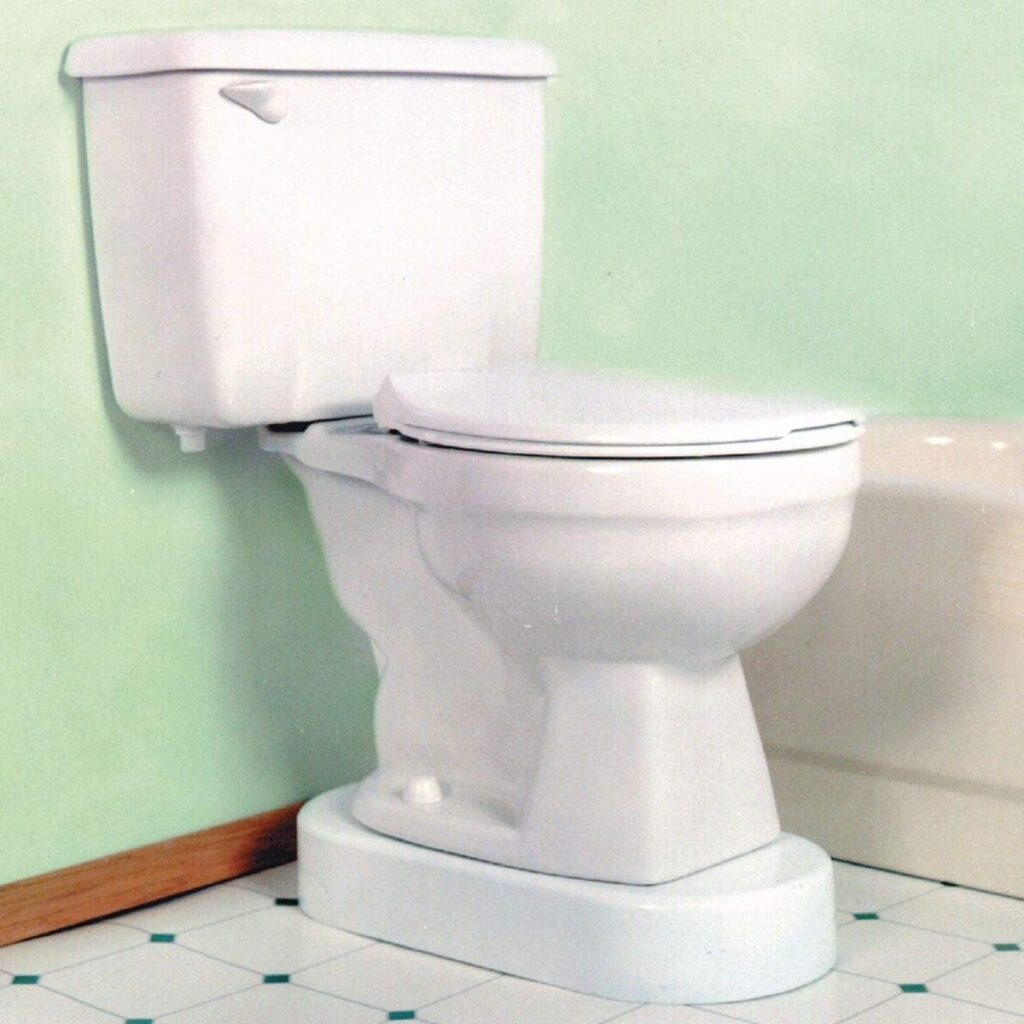

How much does a toilet weigh? A standard residential commode typically checks in between 60 and 120 pounds empty. Two-piece models usually weigh 70 to 90 pounds total, while single-piece ceramic fixtures often exceed 100 pounds before you add any water.
Water adds significant bulk that most people forget about before unbolting the base. Standard tanks hold between 1.28 and 1.6 gallons of standing water, adding roughly 10 to 13 pounds to the porcelain’s physical mass.
This lifting job isn’t for anyone with active lower-back injuries, because awkward bathroom corners force poor body mechanics. The real trade-off comes down to fixture type: single-piece toilets eliminate leaky tank gaskets, but you pay for it with a heavier, unbroken 110-pound lift.
Table of Contents
Removing and lifting a commode safely

- Turn the shutoff valve clockwise until tight, flush the handle to drain the tank, and vacuum out the remaining 2 cups of standing water with a wet-dry vac.
- Disconnect the flexible braided supply line from the base of the fill valve using an adjustable wrench.
- Loosen and remove the two tank-to-bowl bolts from inside the tank using a deep socket if you’re working on a two-piece model. Tip: If X is a two-piece fixture, lift the 35-pound tank off first; if Y is a one-piece unit, don’t attempt to take it apart and plan for a heavy 100-pound lift instead.
- Pry the plastic caps off the floor bolts with a flathead screwdriver and unscrew the two floor nuts using a 7/16-inch wrench.
- Slice through any dried silicone caulk around the base perimeter using a utility knife held flat against the tile floor.
- Straddle the bowl, grab the rim with both hands, bend your knees, and lift straight up to clear the floor bolts. Tip: Keep the bowl level as you lift so any trapped trapway water doesn’t spill onto the subfloor.
This varies by model — check the label or maker’s carton for exact weights before attempting a solo lift.
How long it takes
Carrying out a fixture replacement or removal involves handling different unit types and water conditions.
| Situation | How long | What changes it | What to watch for |
|---|---|---|---|
| Disassembling a two-piece bowl and tank | 15–20 minutes | Rusted tank bolts | Tank porcelain cracking under tool pressure |
| Hauling an intact one-piece ceramic unit | 5–10 minutes | Hallway stairs and tight door frames | Slipping on polished bathroom tiles |
If removing the floor bolts is taking far longer than the table says, stop pulling and cut the rusted hardware with a mini hacksaw rather than risking cracked porcelain.
How to tell when it’s done

The fixture is completely detached when the base lifts upward without pulling the floor flange or tilting sideways. You’ll hear the old wax seal break with a soft suction sound. A cleared fixture leaves the exposed iron or PVC flange clean and flush with the finished floor surface. Keep heavy, awkward loads close to the body, and place the removed porcelain straight down onto an old towel or cardboard sheet immediately after it clears the anchor studs.
Mistakes that ruin it

- Leaving water in the internal trapway: Water rushes out onto the subfloor when you tilt the bowl backward, leading to hidden rot beneath the tiles. Always suction out the bowl completely or stuff an absorbent rag down the neck before moving it.
- Lifting the whole unit as one piece: A 90-pound assembled unit strains your back and risks snapping the brittle ceramic tank bolts during transit. Separate the tank from the bowl every time on two-piece models to cut your working lift down to manageable 40-to-50-pound sections.
- Rocking the bowl side to side: Snapping an iron drain flange through excess leverage ruins the floor connection and costs several hundred dollars in emergency plumbing repairs. Slice all caulking thoroughly and pull straight upward instead of using forceful side-to-side rocking.
Can one person lift a toilet alone?
Yes, one person can manage a detached bowl or tank separately, as long as each component weighs under 55 pounds. However, moving an unbroken 110-pound one-piece unit down stairs or across slippery bathroom tile usually requires two people to prevent drops and cracked finishes.
Why are one-piece toilets heavier than two-piece models?
One-piece fixtures are often heavier because the tank and bowl are cast as a single, continuous unit. That solid construction adds 20 to 30 pounds of extra china compared to split units of identical water capacity.
How much does an empty toilet tank weigh?
Around 25 to 45 pounds for most standard residential models made from vitreous china. The weight fluctuates based on internal wall thickness, the lid design, and whether the model features an insulated anti-sweat liner installed inside the inner walls.
Is it safe to move a toilet with the seat attached?
Yes, it’s safe to keep the plastic or wood seat attached while carrying the fixture. Standard toilet seats weigh between 3 and 6 pounds, so they add very little overall heft and won’t throw off your balance during the carry.
What happens if you drop a porcelain toilet?
It shatters immediately into razor-sharp ceramic shards that cut through standard work gloves. Dropping a fixture also risks puncturing the finished tile floor or cracking the drain waste pipe inside the subfloor, requiring expensive structural repairs.
Final Thoughts
If you’re planning a bathroom renovation, don’t try to lift the fixture by yourself. It’s safer to have a friend help you maneuver the heavy porcelain to avoid back strain or accidental cracks. Once you’ve cleared the area, you’ll be ready to install your new model with total peace of mind.