

Pouring chlorine bleach into the bowl every week is the biggest error homeowners make, because bleach only bleaches color out of stains while hard minerals keep bonding to the porcelain. To prevent calcium buildup in toilet bowls, use a mild acid that actually dissolves dissolved rock before it hardens. You save your bowl’s smooth glaze and skip hours of scraping by adding acidic cleaners on a strict schedule.
Table of Contents
Better ways to prevent calcium buildup
| What most people do | What to do instead | Why it matters |
|---|---|---|
| Pour bleach to clear hard crust | Add 2 cups white distilled vinegar | Bleach whitens stains; vinegar dissolves calcium carbonate |
| Drop chlorine tablets into cistern | Clean bowl directly using liquid descalers | Tank tablets rot rubber seals within months |
| Scrub crust hard with pumice | Brush weekly with standard nylon bristles | Pumice scratches porcelain, creating pockets for minerals |
| Flush immediately after pouring cleaner | Let acid soak for 4 hours | Acids need contact time to break bonds |
| Wait until mineral ring turns brown | Wipe waterline every 7 days | Old deposits turn rock-hard and resist acids |
| Use boiling water to loosen scale |
Use weak acids instead of chlorine bleach
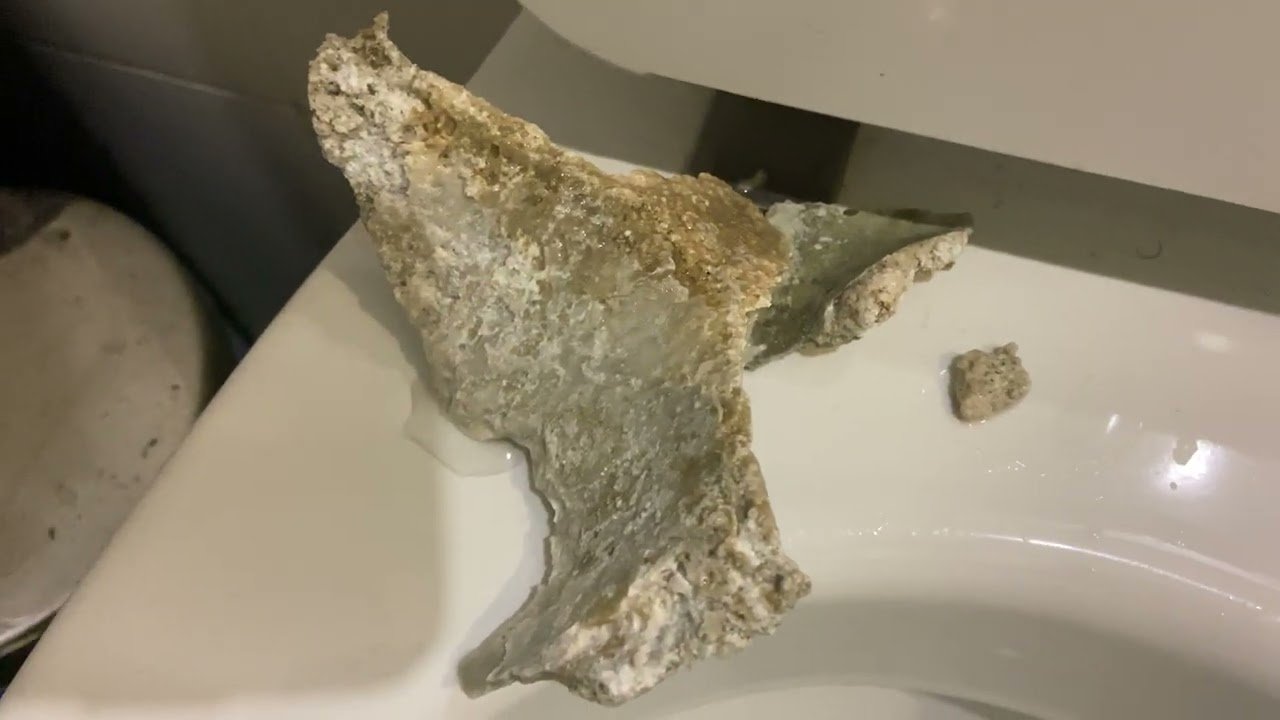
Pouring standard chlorine bleach into a bowl seems like an easy fix because it disinfects and turns dirty stains white right away. Bleach alters the color of iron and debris, but it can’t dissolve alkaline mineral deposits. Calcium carbonate stays glued to the porcelain surface underneath. Over months, this layer thickens into a rough, sandpaper-like crust that traps waste and bacteria.
Instead, pour 2 cups of regular 5 percent white distilled vinegar into the bowl regularly. The acetic acid reacts with calcium carbonate to break it down into soluble calcium acetate, water, and carbon dioxide. For heavy mineral areas, use 1 cup of food-grade citric acid powder instead. Dissolved citric acid works faster on thick crust. According to the USGS water hardness guidelines, water with more than 120 milligrams of dissolved minerals per liter is hard, and water over 180 milligrams is very hard. Very hard water demands this acid treatment frequently, while moderate water needs it occasionally.
Keep chemical pucks out of the cistern
Dropping slow-dissolving chemical tablets into the toilet cistern looks like a smart way to automate bowl cleaning with every flush. The concentrated chemicals sit directly against sensitive rubber flappers, fill valves, and plastic flush mechanisms for days between flushes. The steady chemical exposure rots rubber gaskets, warps flappers, and leads to silent tank leaks that waste dozens of gallons daily. Replacing these parts costs money, time, and plumber call-outs.
If your water has high mineral content, treat the water at the supply or clean the bowl directly; if you must treat the cistern, use only fluid-based hang-in cleaners that disperse into the overflow tube rather than sitting inside the tank. Avoid tank pucks entirely. This advice isn’t for homes with whole-house ion-exchange water softeners, since those systems already strip the calcium out before water reaches bathroom pipes.
Stop scraping crust with coarse pumice stones

Rubbing porcelain with a pumice stone removes thick rings instantly, which gives fast visual satisfaction. Pumice acts as a heavy abrasive that cuts through mineral rock, but it also strips away the factory glaze protecting the vitreous china. Once you grind off this slick, glassy outer coat, the raw, porous ceramic underneath is permanently exposed. Mineral crystals then anchor deeper into those micro-scratches, making future buildup return twice as fast and twice as hard to scrub off.
Stick to a firm nylon-bristled toilet brush and give the acid soak time to do the hard work. If mineral crust is already thick and resists brushing, use a flat plastic putty knife to gently pry the softened crust away from the porcelain. The plastic edge flexes without scratching the underlying glaze. This keeps the bowl’s factory seal intact so minerals slide away with normal water flow.
Advice you can ignore
- Mixing baking soda and vinegar together: This kitchen remedy creates fun foam, but mixing an acid and a base neutralizes both into saltwater, leaving nothing active to dissolve calcium.
- Hanging blue detergent blocks inside the rim: These dyes only color the water and mask stains without softening water minerals or stripping mineral rings.
- Using muriatic acid for basic weekly care: This harsh acid strips scale fast, but its toxic fumes ruin chrome fixtures and burn lungs; save it strictly for total plumbing emergencies.
- Relying on magnetic water conditioners clamped to supply pipes: Standard municipal testing shows these magnets don’t reliably extract calcium or stop scale accumulation in home plumbing fixtures.
The right way, start to finish
- Push your toilet brush into the trapway 4 times to force water down, dropping the bowl level 3 inches below the mineral line.
- Pour 2 cups of 5 percent distilled white vinegar directly around the dry porcelain waterline, coating all visible mineral stains thoroughly.
- Let the acid sit undisturbed in the bowl for at least 4 hours, or overnight, so it breaks the bonds of the calcium deposits.
- Scrub the entire waterline and rim holes vigorously for 60 seconds with a firm nylon brush to lift the softened scale.
- Check the porcelain surface with your fingers; if rough patches remain, add 1 cup of citric acid powder and wait 2 more hours.
- Flush the toilet twice to rinse away all dissolved minerals and acid residue, leaving the bowl clear and slick.
Frequently asked questions

Can vinegar damage toilet bowl porcelain?
No. Standard five percent white vinegar is a mild acid that dissolves alkaline mineral crust without etching vitreous china or harming your home’s plastic sewer pipes. Strong industrial acids like muriatic acid will destroy protective glaze over time, but household vinegar remains safe for frequent bowl maintenance.
Why does calcium buildup keep coming back?
Your municipal supply or private well carries high amounts of dissolved calcium and magnesium that dry along the waterline after flushes. Every time standing water evaporates in the bowl, it leaves solid rock crystals behind. Regular acidic rinses keep these microscopic crystals from joining into a visible crust.
How long does vinegar take to dissolve calcium?
About 4 hours for thin water rings, though leaving the acid overnight delivers the best results on thick deposits. If buildup is older and rock-hard, drain the bowl completely and apply acid-soaked paper towels directly to the ring for 8 hours to break the mineral bonds.
Is it safe to use a pumice stone on hard water rings?
No, because rubbing pumice against vitreous china scratches away the smooth glaze. While it removes scale immediately, it leaves permanent microscopic grooves in the bowl. New calcium deposits settle into those fresh crevices, making future stains build up much faster and stick harder to the ceramic.
What happens if you put boiling water in a toilet?
Does hard water buildup affect flushing power?
Yes. Minerals collect inside the siphon jet and the small rim feed holes, choking the incoming water volume during each flush. When those passages get clogged with scale, water enters the bowl too slowly, leaving you with weak flushes that fail to clear solid waste properly.
Final Thoughts
Keeping your porcelain smooth doesn’t have to be a chore if you stay consistent. Once a month, pour a cup of white vinegar into the bowl before bed and let it sit overnight. It’s a simple, cheap habit that’ll keep your bathroom looking fresh without any harsh chemicals or extra scrubbing.
Related guides






