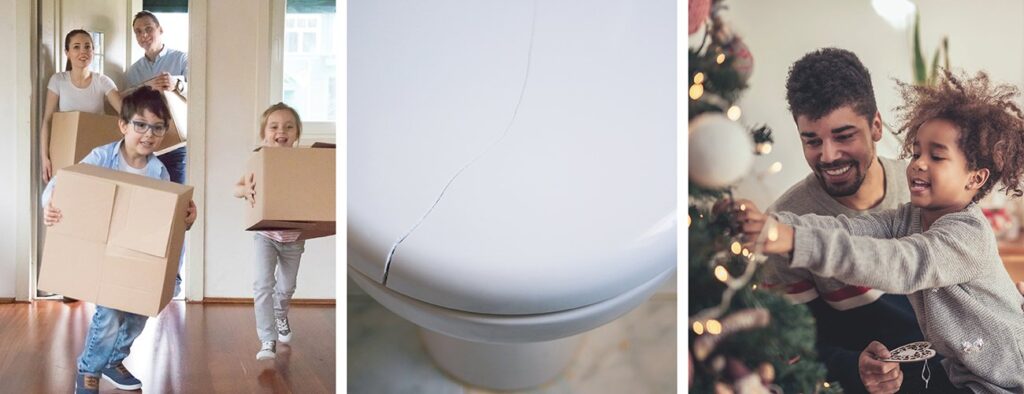
Most households find that toilet seats typically need to be replaced after five years of regular daily use. If the seat is cracked or stained down into the plastic, replace it today. If the hinges only feel loose, keep the seat and tighten the bolts instead. Normal wear from cleaning chemicals weakens the material over time, while worn hinges make the seat slide sideways every time someone sits down.
Table of Contents
Repair or replace, at a glance
| If this is true | Repair | Replace |
|---|---|---|
| Bolts wiggle loose under normal sitting | Tighten or swap the mounting hardware | Keep old seat body |
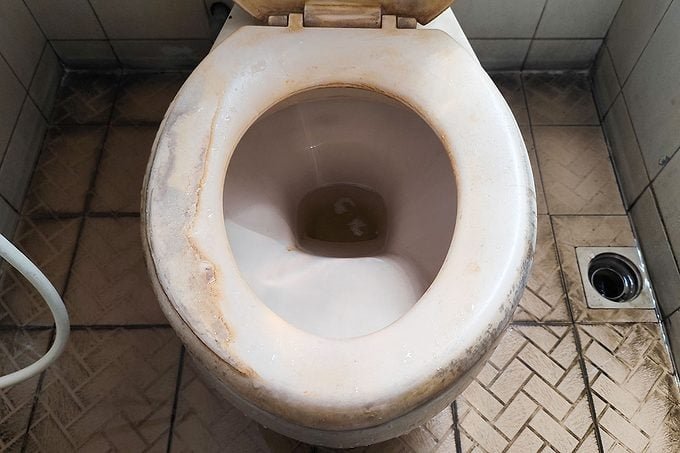
| Plastic body shows visible hairline cracks | Can’t repair structural plastic | Install a new seat immediately |
| Bottom rubber bumpers fell out | Press new push-in bumpers into place | Keep old seat body |
| Yellow stains soaked into worn finish | Deep plastic discoloration can’t scrub off | Get fresh sanitary surface |
| Hinges snapped or soft-close spring died | Hinge kits cost more than seats | Buy matching new unit |
| Moving into a previously owned home | Sanitizing can’t undo past wear | Fresh seat guarantees hygiene |
When repairing is the right call
Fixing the hardware is the better path when the plastic or wood body stays solid and smooth. If the seat shifts when you sit, loose bolts are almost always the cause. A simple turn with a standard screwdriver takes five minutes and solves the problem without spending money on a new unit.
You can also replace the small rubber bumpers on the underside if they crack or fall out. Universal push-in bumper packs cost very little and protect the porcelain bowl from hard impacts. If tightening metal nuts doesn’t hold, nylon replacement bolts stop the nuts from vibrating loose over time. The trade-off is your personal time: you save the cost of a new seat, but you have to work near the dirtiest parts of the bowl. This fix isn’t for people with broken hinge brackets or cracked plastic bodies. When the seat body breaks, no glue can safely hold adult body weight.
When replacing is the right call
Installing a fresh seat makes sense the moment the protective finish wears away or the base cracks. If strong bleach or abrasive pads have scrubbed the top shine off, urine and dirty water soak right into the porous plastic underneath. No household chemical can lift those yellow stains once they sink in.
Cracks are dangerous because they pinch bare skin and harbor bacteria that cleaning sprays can’t reach. According to the CDC hygiene practices guidelines, hard non-porous surfaces must remain intact so cleaners can effectively kill common bathroom germs. Buying fresh hardware for an old, worn-out seat is throwing good money away. A common mistake people make is using epoxy or superglue on a split hinge, which will fail under normal shifting. This varies by model — check the label on your toilet to see if you need an elongated or round shape before buying.
The costs people forget
- Plumber service calls cost far more than the plastic seat itself just to have someone visit your house.
- Taking the wrong measurements forces an extra trip back to the hardware store to return an incorrect round or elongated size.
- Removing rusted, frozen metal bolts often requires a mini hacksaw and extra work when hardware won’t turn.
- Discarding bulky wooden or heavy plastic lids adds unwanted solid waste to your standard household trash collection.
- Installing a fancy bidet seat usually requires adding an electrical outlet near the toilet base.
If you repair, ask this first
Before starting any repair, identify what replacement hardware actually fits your specific toilet brand. Next, check if the mounting holes on the porcelain go all the way through or if your toilet uses hidden top-fixing anchors that require special expanding plugs. Determine whether the hinge assembly uses standard nylon bolts, because plastic threads never rust like bare metal does. Finally, check if the hinge pins have internal soft-close springs, because broken dampers can’t be serviced by hand. If a stubborn metal bolt has completely seized against the porcelain bowl, stop before applying heavy wrench force. Cracking the ceramic toilet tank or bowl turns a minor hinge repair into an expensive plumbing emergency.
If you replace, look for this
Look for solid polypropylene plastic with color molded all the way through, which stops cleaning chemicals from peeling off the top finish. Choose quick-release hinge posts so you can pop the entire seat off with one button to clean behind it. Make sure the package includes non-corrosive nylon hardware or stainless steel mounting bolts that won’t seize over time. Finally, check the shape on the box against your bowl: standard US round bowls measure about sixteen and a half inches from the bolt holes to the front tip, while elongated bowls measure about eighteen and a half inches.
Frequently asked questions

Can toilet seats carry bacteria after cleaning?
Yes, old seats carry bacteria if the smooth outer seal has scratched away or cracked. Harsh chemical cleaners strip the glossy top layer over time. Once that surface wears off, fluids sink straight into the raw plastic where normal wipe-downs can’t touch them.
Why do toilet seats turn yellow over time?
Sunlight, hard tap water, and strong cleaners turn white plastic yellow as the material ages. Urine also reacts with degraded plastic coatings, leaving dark stains that permanently soak into the core material. Once this chemical discoloration sets in, scrubbing won’t remove it.
How long does a wooden toilet seat last?
About three to four years under normal household use. Molded wood seats use paint or enamel seals that eventually chip around the edges from moisture. Once bathroom water gets inside the exposed wood fibers, the core swells, warps, and cracks along the main seams.
Is it safe to use a cracked toilet seat?
No, cracked seats aren’t safe because they easily pinch skin and break suddenly under normal body weight. A sharp plastic edge can cause painful cuts. The split seam also gathers dirty wash water and bacteria that can’t be sanitized.
What happens if you use the wrong size seat?
The seat overhangs the porcelain bowl or leaves the cold ceramic rim exposed. An incorrect fit places uneven weight on the mounting bolts every time you sit down. That bad angle bends the plastic hinges until they snap completely.
Does bleach damage plastic toilet seats?
Yes, straight bleach breaks down the protective plastic resins and makes the finish turn brittle. It also strips the shine, which allows dirt to stick faster. Warm water mixed with mild dish soap cleans the seat safely without ruining the glossy seal.
Final Thoughts
Choosing a new seat is a great chance to refresh your bathroom’s look. You’ll find plenty of comfortable, durable options at your local hardware store. Once you’ve picked a style you like, don’t wait for a crack to appear—go ahead and swap it out whenever your current one starts feeling tired.
Related guides
- Can You Sit on a Toilet Seat Lid? Safety and Weight Limits
- Why You Should Always Flush the Toilet Before Using It
- Bathroom Remodel No Payments for Two Years: How It Works