
The fastest method on how to get rid of a smelly shower drain is pouring 1 cup of baking soda down the opening, adding 1 cup of distilled white vinegar, and flushing with boiling water after 15 minutes. Bacteria eating trapped hair and body oils cause most bad bathroom odors.
Table of Contents
Causes of a smelly shower drain
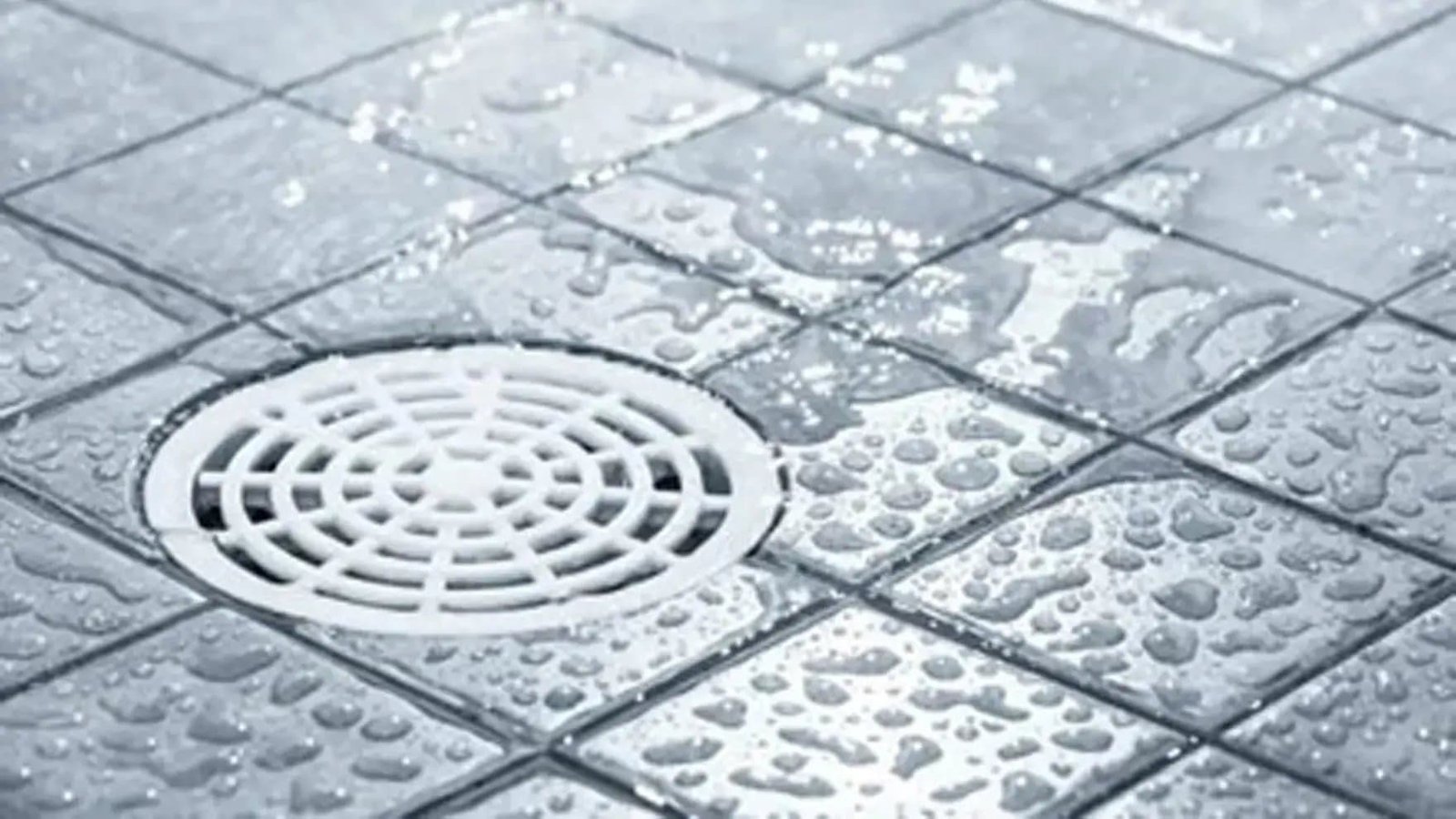
Shower drains smell bad when rotting debris builds up along the pipe walls. Every time someone showers, loose hair, soap scum, skin cells, and thick conditioners stick to the inside of the plumbing. Harmless bacteria begin feeding on this trapped material, creating sulfur gas that smells like rotten eggs or sewage.
Another cause is a dry P-trap. The P-trap is the curved pipe beneath the floor that holds a pool of standing water. This water barrier blocks sewer smells from rising into the room. If a guest bathroom sits unused for weeks, that pool evaporates and lets smelly gases enter directly. Leaky pipe joints can also let wastewater pool under the shower pan.
Flush with baking soda and vinegar
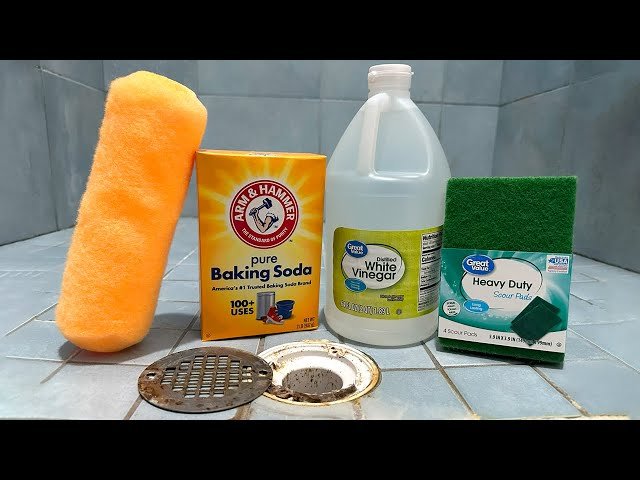
This fix is for light grease, fresh soap scum, and everyday mildew. You’ll need 1 cup of baking soda, 1 cup of household white vinegar, and 1 kettle of boiling water. Remove the drain cover using a screwdriver if necessary. Pour the baking soda directly into the opening, then slowly pour the vinegar right over it. The mixture will foam vigorously inside the pipe.
Finally, pour the full kettle of boiling water straight down the drain to carry away the melted oils. You’ll know it worked if the sour smell disappears immediately after the steam clears. However, this varies by model — check the label on modern acrylic or plastic drain assemblies, as pouring boiling water directly onto very thin plastic pipes can loosen glued joints over time.
Pull the hair clog manually
This fix is for drains that smell bad and drain slowly at the same time. While a chemical reaction loosens film, it can’t dissolve thick clumps of wet hair. Buy an inexpensive 20-inch plastic drain snake from any hardware store. Put on rubber gloves and feed the plastic snake into the pipe until you hit resistance. Twist the tool two full turns so its barbed teeth grab the clump, then pull it straight out into a plastic trash bag.
This process smells foul and feels messy, which is the trade-off for avoiding expensive plumbing fees. Wipe the underside of the drain cover with an old sponge and dish soap before putting it back. Turn on the shower hot tap for 60 seconds. If the water drains away without pooling around your feet, the rotten clog is gone.
Sanitize with chlorine bleach
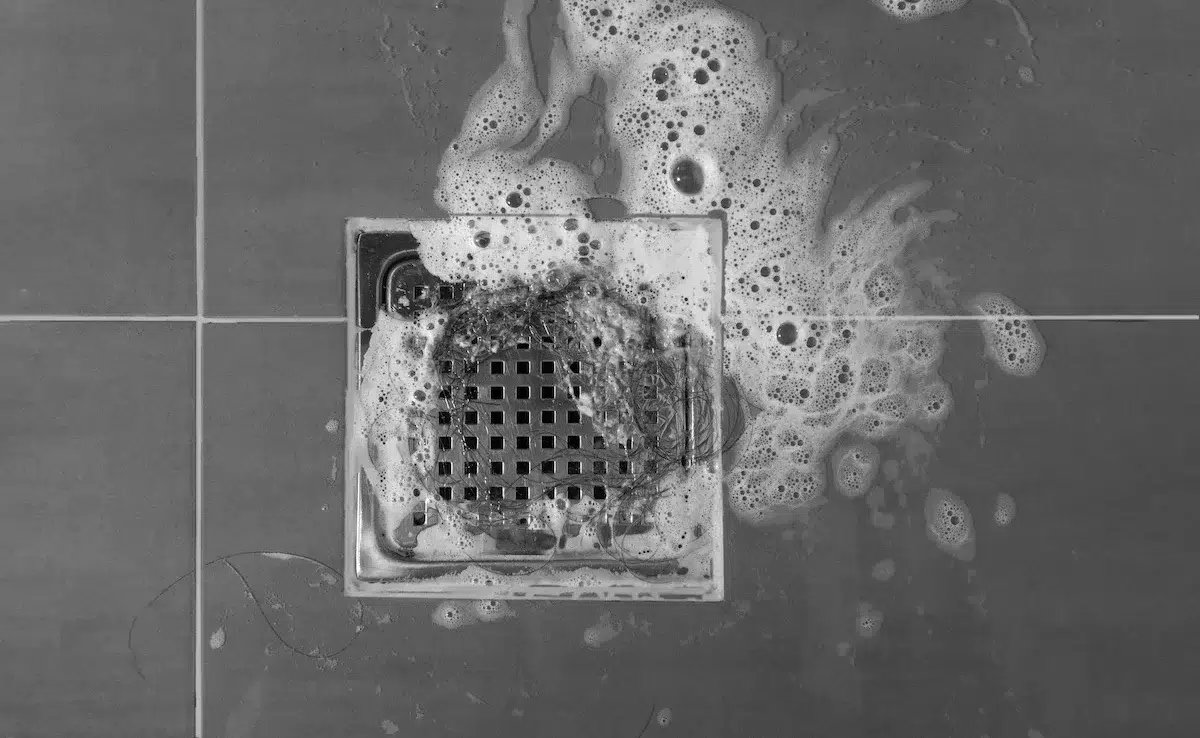
This fix is for heavy mold, deep sewer smells, or black sludge sitting just past the trap. Bleach kills living bacteria instantly on contact. Measure 1/2 cup of standard household liquid bleach. Slowly pour the liquid into the drain opening, aiming for the pipe walls rather than splashing the shower floor.
Leave the room and let the bleach sit undisturbed for 15 minutes to disinfect the slime layer. The CDC guide on cleaning with bleach notes that bleach requires adequate ventilation, so keep the bathroom fan running and the window open. Flush the line with warm tap water for 2 minutes. This fix isn’t for homes with off-grid septic systems, because strong bleach kills the beneficial bacteria that process waste in the tank. If strong odors persist after a deep sanitize, call a licensed plumber to inspect the main sewer stack.
What not to do
- Pouring commercial lye-based drain cleaners into a slow line eats away old metal pipes and creates toxic fumes.
- Mixing bleach with vinegar or ammonia creates dangerous chloramine gas that can severely damage your lungs.
- Dumping coffee grounds down the shower to cover the scent creates heavy sludge that clogs the trap completely.
- Pushing bent wire coat hangers deep into the pipe can puncture hidden rubber seals or scratch plastic walls.
- Masking the odor with plug-in air fresheners costs money regularly without fixing the rotting bacteria below.
How to stop it happening again
Routine maintenance stops organic waste from gathering inside the pipes before bacteria can feed on it.
| If you’re doing this | Do this instead | Why |
|---|---|---|
| Leaving the shower drain bare | Place a silicone hair catcher over the grate | It catches loose strands before they tangle into sticky balls |
| Washing heavy body oils down the drain | Flush with hot tap water for 30 seconds after bathing | Hot water carries liquid oils through before they cool and harden |
| Leaving wet hair on the drain plate | Wipe the grate clean immediately after you finish | Rotting hair on top of the plate creates bad odors in hours |
Frequently asked questions
Can baking soda damage shower pipes?
No, baking soda is mild and completely safe for all standard residential plumbing pipes. It won’t crack PVC, loosen glue, or pit old cast iron drains. The gentle fizzing action simply lifts scum off the pipe walls without producing excessive heat or harsh chemical reactions.
Why does my drain smell like rotten eggs?
Your drain smells like rotten eggs because anaerobic bacteria are feeding on hair and soap scum inside the pipe. As these bacteria eat the organic matter, they release hydrogen sulfide gas.
How long does a drain cleaning treatment take?
A basic baking soda and vinegar flush takes around 20 minutes from start to finish. You need 5 minutes to measure the household ingredients, 15 minutes of resting time for the foam to work, and 1 minute to flush the pipe clean with hot water.
Is it safe to use boiling water in shower drains?
No, boiling water isn’t completely safe for all shower systems. Thin PVC joints or rubber gasket seals under shower pans can warp or loosen if exposed to rolling boiling water. Use very hot tap water instead if you have modern plastic plumbing installed under your tub.
What happens if the P-trap runs dry?
Sewer gas moves upward directly into your living space through the open pipe. The P-trap requires standing water to create a physical block against the city sewer lines. Pouring two cups of clean water down any dry drain restores that liquid seal in seconds.
Final Thoughts
If the unpleasant scent persists after this treatment, you might have a deeper clog further down the pipes. Don’t hesitate to use a plastic drain snake to pull out stubborn debris. Keeping your shower clean shouldn’t be a chore, so you’ll feel much better once your bathroom smells fresh again.
Related guides
- How to Fix a Toilet That Wobbles Side to Side: Easy Steps
- How to Fix a Toilet That Keeps Running Intermittently
- Charcoal Filter for Bathroom Fan: Essential Air Quality Fix






