
To get rid of odor in bathroom sink drains fast, flush the pipe with 1/2 cup of baking soda followed by 1 cup of distilled white vinegar, let it fizz for 15 minutes, then wash it down with 4 cups of boiling water. The single most common cause is rotting organic slime—made of soap scum, shed hair, and toothpaste—trapped along the drain walls.
Table of Contents
Causes of bathroom sink odor
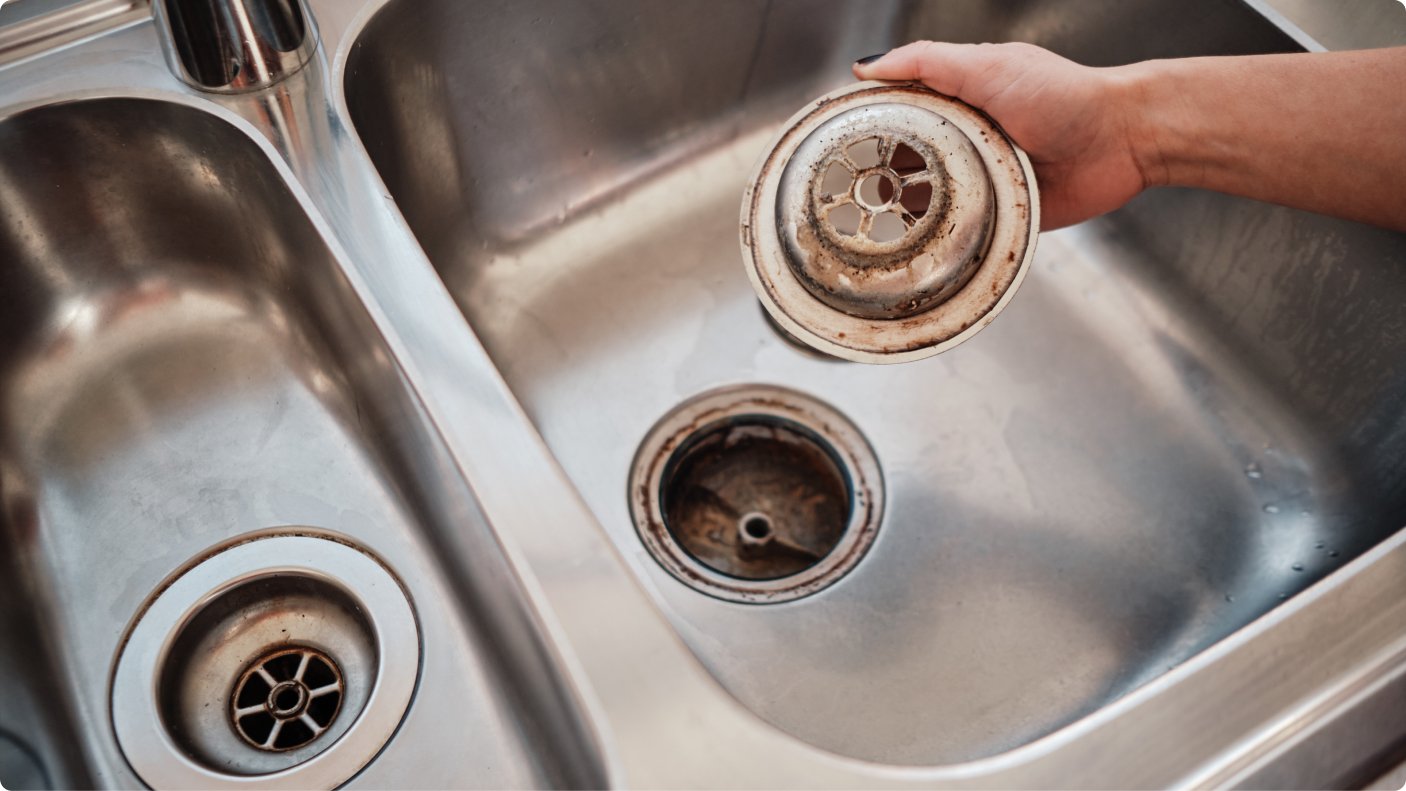
Bathroom drains smell bad because bacteria feed on organic waste stuck inside the dark, damp pipe. Every time you wash your hands or brush your teeth, soap, oils, dead skin, and toothpaste cling to the drain walls. Over several weeks, this forms a sticky film called biofilm that releases foul gases.
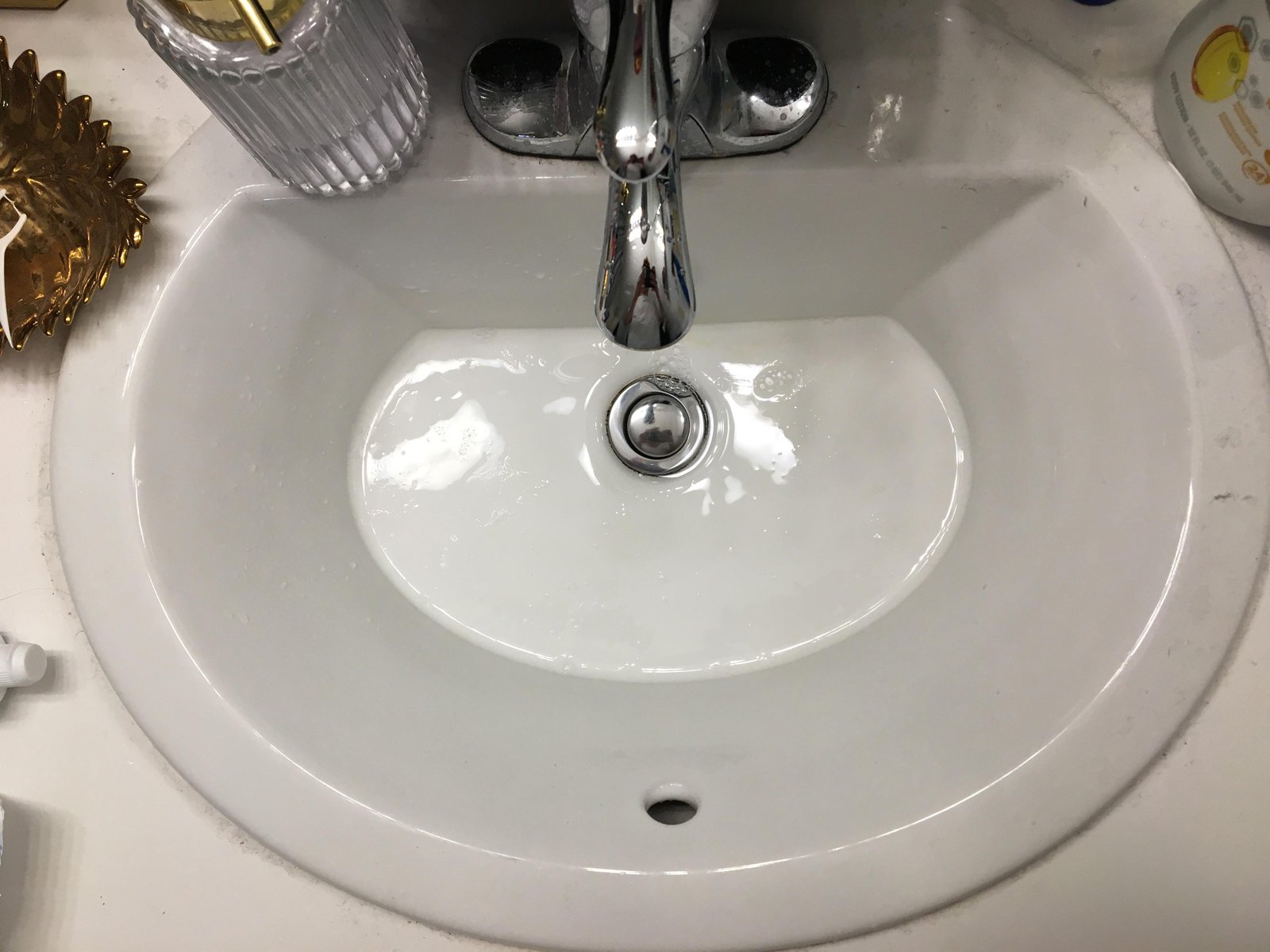
The second major cause is a dried-out P-trap. The P-trap is the curved pipe beneath your sink that holds standing water to block sewer gases from rising into your room. If a sink sits unused for weeks, that barrier evaporates. Finally, bathroom sinks have an overflow hole near the rim. Hair, grime, and mold easily collect inside this dark channel, creating a sour smell right under your nose even when the main pipe runs clear.
Flush with baking soda and vinegar
This fix is for light odors caused by everyday soap scum and fresh bacteria buildup.
- Pour 1/2 cup of dry baking soda straight down the drain opening.
- Slowly add 1 cup of distilled white vinegar. It’ll foam immediately.
- Put the drain stopper in place or cover the hole with a rag to force the fizzing action down the pipe.
- Wait 15 minutes while the mixture loosens the surface gunk.
- Boil 4 cups of tap water on the stove and carefully pour it down the drain to rinse away the residue. If you have plastic PVC pipes under the sink, use very hot tap water instead of boiling water to protect the pipe joints.
You’ll know it worked if the sour smell disappears after the hot water drains completely.
Clean the sink overflow channel
This fix is for sour or musty smells that linger after the drain pipe itself is clean. It targets the small safety opening near the top rim of the sink basin.
- Insert a narrow, flexible bottle brush or pipe cleaner into the overflow hole.
- Push it in about 6 to 8 inches, twist it several times to scrape away hidden mold, and pull it out.
- Wipe the greasy residue off the brush with a paper towel and repeat until the brush comes out clean.
- Place a small funnel into the overflow opening.
- Pour 2 cups of hot tap water through the funnel to wash the loosened grime down into the main drain.
If the air directly above the rim smells clean, the hidden bacteria are gone.
Remove and clean the P-trap
This fix is for heavy clogs, sewer smells, or thick hair tangles that liquids can’t dissolve. It requires opening the cabinet under your sink.
- Clear everything out of the vanity cabinet and set a 1-gallon bucket directly under the curved pipe.
- Unscrew the two slip nuts on the curved P-trap by hand. If they’re too tight, use adjustable slip-joint pliers.
- Lower the pipe carefully into the bucket to catch the trapped water and rotting sludge.
- Carry the pipe outside or to another sink, then scrub the inside using an old toothbrush and warm soapy water.
- Reattach the trap, hand-tightening the nuts firmly before testing.
The trade-off is simple: taking the trap off takes more effort and makes a mess, but it completely removes rotting debris that chemical flushes leave behind. This fix isn’t for old metal pipes that are corroded or rusted shut. For fragile, rusted metal plumbing, stop immediately and call a licensed plumber to avoid snapping the pipe. You’ll know it worked when water flows quickly and the sewer smell stops rising.
What not to do
- Don’t use thick chemical drain cleaners. Harsh lye-based chemicals can weaken plastic pipes, eat away rubber seals, and generate fumes that irritate your lungs according to the EPA indoor air quality guide.
- Don’t pour bleach directly into the overflow hole. Bleach doesn’t break down tangled hair or thick grime, and splashing it can permanently ruin chrome or brass drain finishes.
- Don’t ignore a completely dry sink trap. Running water for 5 seconds fixes an empty trap instantly, while spraying air fresheners only masks toxic sewer gas.
- Don’t push wire coat hangers down modern pop-up drains. The sharp metal tip scratches the pipe lining and can bend the delicate lift rod mechanism.
How to stop it happening again
Routine habits keep organic slime and stagnant water from creating new odors in your pipes.
| If you’re doing this | Do this instead | Why |
|---|---|---|
| Leaving a guest sink unused for months | Run the faucet for 15 seconds every two weeks | Refills the P-trap water barrier so sewer gas can’t enter |
| Rinsing shaving cream down with cold water | Rinse your razor with hot tap water for 10 seconds | Hot water melts cosmetic oils before they coat the pipe walls |
| Letting beard trimmings wash down the drain | Wipe whiskers with dry tissue and toss them in the trash | Hair snags inside the stopper mechanism and traps rotting soap |
| Ignoring sticky residue around the pop-up plug | Prevents foul-smelling biofilm from building on the rubber gasket |
Frequently asked questions
Can sewer gas from a sink drain make you sick?
Yes, breathing concentrated sewer gas can cause headaches, nausea, and dizziness. The gas contains hydrogen sulfide, which produces the characteristic rotten-egg odor. If filling your sink’s dry P-trap with water doesn’t stop the rotten-egg smell within a few minutes, leave the room and call a plumber.
Why does my bathroom sink smell like rotten eggs?
A dry P-trap is the most common reason for a rotten-egg smell. When the curved pipe beneath the sink loses its water barrier, hydrogen sulfide gas drifts directly up into your home. Running your faucet for 10 to 15 seconds quickly restores this water barrier and blocks the odor.
How long does the baking soda and vinegar mix take to work?
15 minutes is the standard resting time for baking soda and vinegar to loosen soft drain slime. Leaving it in the pipe longer doesn’t add cleaning power because the chemical fizzing reaction finishes within the first few minutes. Always follow with hot water to wash away the freed particles.
Is it safe to pour boiling water down a bathroom sink?
Yes, boiling water is safe for cast iron and copper pipes, but you must avoid it if you have plastic PVC plumbing. Boiling temperatures can soften thin PVC joints and warp rubber seals, leading to leaks beneath the sink cabinet. Use hot tap water instead for plastic pipes.
What happens if the drain odor doesn’t go away after cleaning?
The plumbing vent pipe on your roof may be blocked by leaves or animal nests. This pipe regulates air pressure across your home’s drain lines. When air can’t vent outside, water siphons out of your sink traps, letting odors escape. Clear the roof vent or hire a professional.
Final Thoughts
If the smell lingers after this deep clean, you might have a clog further down the pipe that needs a plumber’s snake. It’s also a good idea to check your drain stopper for trapped debris once a month. Keeping things clear now will save you from dealing with stubborn odors later on.
Related guides






