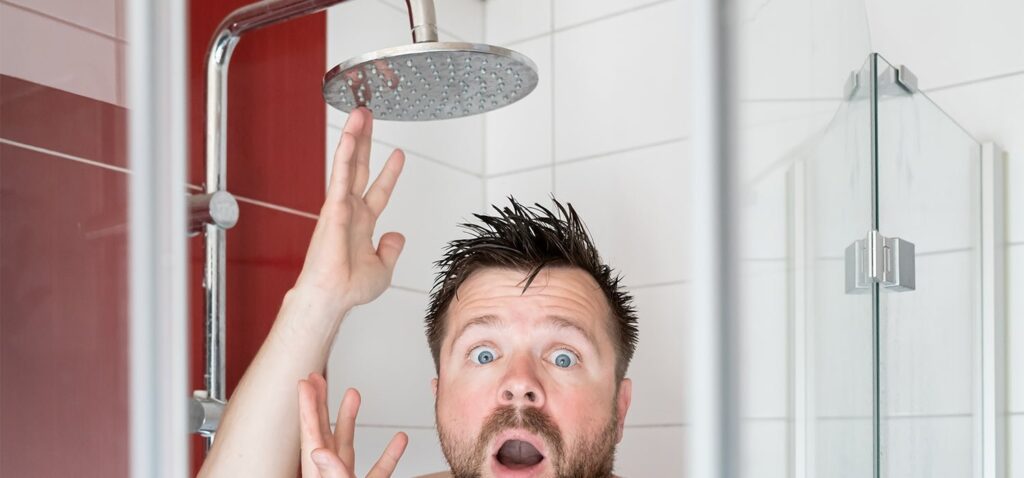
To fix high pitched noise from shower setups, clear mineral deposits from the showerhead or replace a worn-out diverter valve.
Table of Contents
Causes of high pitched shower noise
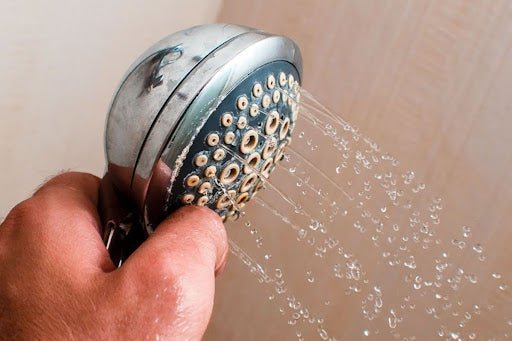
That shrill whistle comes from water squeezing past a restriction. Water enters your home under pressure, and when a pipe fitting narrows unexpectedly, the liquid speeds up and vibrates loose rubber or plastic parts.
Three common flaws cause this noise: 1. Limescale buildup: Hard water leaves calcium inside tiny showerhead nozzles and screen filters. 2. Worn diverter valve: The pull-knob on your tub spout has a internal rubber seal that flutters at high speed when it cracks. 3. High water pressure: A failing house pressure regulator forces too much water through standard fittings. The EPA WaterSense program notes that high household water pressure can waste water and damage plumbing fixtures over time.
| Symptom | Most Likely Cause | Best Action |
|---|---|---|
| Whistles only with showerhead attached | Clogged nozzle plate or mesh | Soak showerhead in white vinegar |
| Screams while tub-to-shower knob is pulled | Loose diverter gate seal | Replace the tub spout |
| Screeches across all faucets in the house | Excess municipal water pressure | Test main pressure regulator |
Soak and flush the showerhead
This fix is for anyone whose shower only screams after the water redirects up into the main head. Mineral crust traps grit in the inlet screen, turning ordinary flow into a squealing jet.
Unscrew the head by turning it counterclockwise by hand. If it feels stuck, wrap a cloth around the connector and turn gently with slip-joint pliers. Drop the whole head into a bowl filled with standard white distilled vinegar. Leave it submerged for about eight hours. This assumes standard brass or chrome finishes; for delicate specialty coatings, cut the soak time down to about two hours so the mild acid doesn’t tarnish the finish.
Scrub the rubber spray face with an old toothbrush, rinse it under a tap, and screw it back on. Turn the hot water on full. The whistle should disappear completely.
Replace a screaming tub spout
This fix addresses a diverter gate that whistles loudly while water runs. The small rubber flapper inside your tub spout dries out, tears, and vibrates like an instrument reed when diverted.
Check the underside of your tub spout near the wall. You’ll see either a small screw slot (slip-on spout) or a solid metal rim (threaded spout). If you have a set screw, loosen it with a hex wrench and slide the spout off the smooth copper pipe. If it has no screw, grip the spout and turn it counterclockwise off the wall.
Buy a replacement spout that matches your pipe connection style at any hardware store. Slide or thread the new spout on, making sure the new diverter faces straight up, and tighten the set screw firmly. You’ll know it worked when water flows cleanly upward without spray leaking around the tub spout lip.
Inspect the shower cartridge
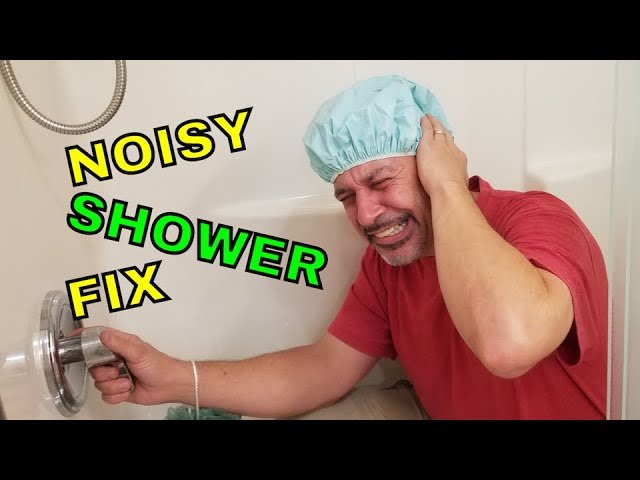
This fix is for whistling buried deep inside the wall behind the single mixing handle. Inside the wall sits a plastic mixing cartridge with tiny internal O-rings that fail and vibrate.
Shut off your home’s main water shutoff valve before touching anything. Pry off the decorative handle cap with a flat blade, unscrew the handle, and pull off the round metal trim plate. You’ll see a brass retaining clip or nut holding the cartridge inside the brass valve body.
Here is the trade-off: pulling a stuck cartridge yourself costs very little in parts, but prying too hard risks twisting the copper pipes behind your tile. If the brass retaining pin slides out freely, pull the cartridge with pliers and slide an exact replacement in. If the cartridge resists or feels seized by limescale, stop immediately and hire a licensed plumber to avoid cracking in-wall joints.
What not to do
- Don’t drill out the flow restrictor with power tools. Widening the plastic holes voids fixture plumbing codes and can create internal pressure drops that make squealing worse.
- Don’t use heavy pipe wrenches on decorative metal parts. Exposed chrome and matte black finishes crush easily under heavy steel teeth, which leaves bare brass that oxidizes quickly.
- Don’t pour bleach or caustic chemical drain cleaners down the shower arm. Harsh chemicals generate harmful fumes in warm bathrooms and pit thin metal threads inside wall fittings.
- Don’t silence pipes by wedging expanding foam spray blindly into wall gaps. Expanding foam can bow drywall outward and prevents technicians from reaching shutoff stops during future repairs.
How to stop it happening again
Routine maintenance prevents grit from building up inside tiny internal seals.
| If you’re doing this | Do this instead | Why |
|---|---|---|
| Leaving hard water on the shower face | Wipe rubber nozzles after bathing | Stops calcium from hardening inside small spray holes |
| Pulling the diverter knob while water runs full | Turn water down before pulling diverter knob | Softens water hammer shock against internal rubber seals |
| Ignoring crusty scale around handle trim | Dissolves mineral scale before it creeps into the valve stem | |
| Forcing a stiff shower handle | Replace worn cartridge parts early | Prevents metal friction that warps inside plumbing housings |
Frequently asked questions
Can high water pressure cause my shower to whistle?
Yes, high water pressure forces water past rubber seals faster than fittings can handle. This excess speed makes loose components vibrate loudly. Test your home’s outdoor spigot with a screw-on pressure gauge to see if your incoming supply runs above normal household ranges.
Why does the shower noise stop when I turn the handle?
The internal cartridge shifts internal openings as you turn the handle. If the sound vanishes at a specific heat setting, the rubber balance spool inside the cartridge is failing. Replacing the cartridge stops that internal vibration.
Is it safe to leave a whistling shower running?
No, because a shrill whistle indicates extreme friction and physical vibration inside your plumbing. Over time, those loosened joints can cause hidden leaks inside the bathroom framing.
What happens if descaling doesn’t stop the whistling?
The sound points to an internal wall issue, such as a failing pressure balancing cartridge or high street pressure. If soaking the head changes nothing, check the diverter next. When those external fixes fail, call a licensed plumber to inspect the main valve.
How long does a vinegar soak take to clear mineral scale?
About eight hours clears typical calcium buildup inside standard showerheads. For very hard water, an overnight soak breaks down thick white crust. After soaking, rinse the spray face under hot water to push remaining pebbles out.
Final Thoughts
If the screeching sound doesn’t fade after these quick adjustments, it’s a good idea to check your home’s water pressure. Sometimes, a simple pressure-reducing valve is all you’ll need to keep things quiet. Don’t hesitate to call a local plumber if you’re still feeling unsure about the repair process.
Related guides