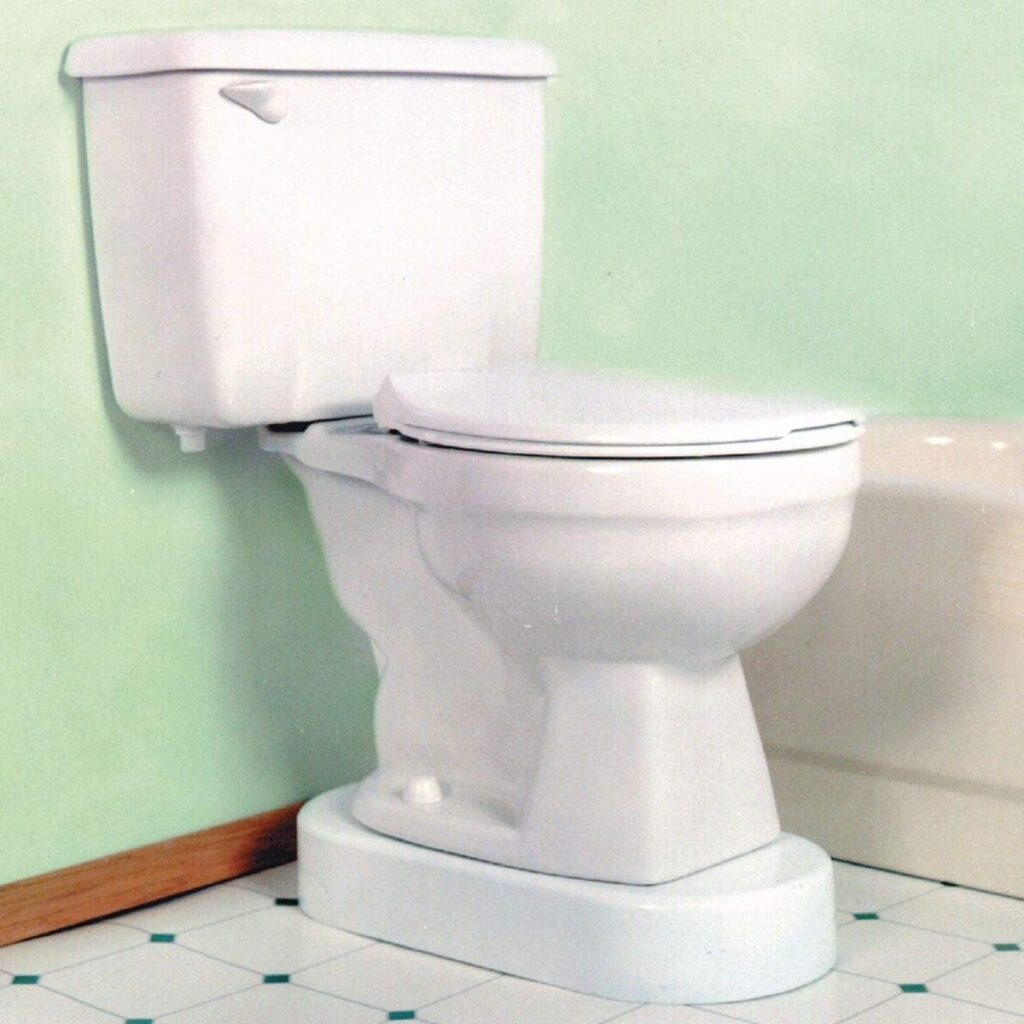

Cleaning the outside of a toilet tank is one of those tasks many of us overlook—after all, we usually focus on the inside of the bowl. But if you think about it, the toilet tank can collect dust, grime, and even stains over time. Plus, keeping it clean not only maintains your bathroom’s neat appearance but also improves hygiene. So, let’s roll up our sleeves and get into the nitty-gritty of making that toilet tank shine!
Table of Contents
Why Clean the Outside of Your Toilet Tank?
First off, why bother with this cleaning chore? It might seem trivial, but there are genuine benefits to keeping your toilet tank clean:
- Hygiene: Toilets can harbor bacteria, which could spread if left unattended.
- Aesthetics: A clean tank looks better. It contributes to the overall cleanliness of your bathroom.
- Maintenance: A clean tank can help identify leaks, rust, or other issues early on.
- Odor Control: Gunk accumulation can lead to unpleasant smells. Keeping things clean helps maintain a fresh environment.
When we skip this task, we often forget just how much grunge can build up. By dedicating some time to it, you’re investing in the overall health of your bathroom.
Materials You’ll Need
Before you get started, gather your cleaning supplies. Here’s a simple list of what you’ll need:
- All-purpose cleaner or vinegar
- Soft cloths or rags
- Old toothbrush or scrub brush
- Bucket or basin (optional)
- Rubber gloves (for sensitive skin)
Having everything on hand makes the cleaning process smooth and quick.
Step-by-Step Cleaning Process
Now let’s break down how to tackle that toilet tank. It’s easier than you might think!
1. Turn Off the Water Supply
Start by turning off the water supply to your toilet. You can find the shut-off valve behind the toilet near the floor. It’s usually a twist valve—just give it a turn. This prevents any water from coming in while you clean, helping you avoid a slippery situation.
2. Empty the Tank
Flush the toilet to empty the tank. This may sound strange, but it allows you to clean it thoroughly without excess water getting in your way. If you’re nervous about getting your hands wet, you can use a sponge to soak up extra water after flushing.
3. Choose Your Cleaner
Next up is selecting your cleaner. You can use a commercial all-purpose cleaner for bathrooms or go the natural route with vinegar. Vinegar’s acidity can break down mineral deposits and grime, which makes it a solid choice for toilet maintenance.
If you’re opting for a store-bought cleaner, be sure to check that it’s safe for use on porcelain and tiles.
4. Apply the Cleaner
Spray or apply your choice of cleaner on the outside surface of the tank. Make sure you coat all areas—sides, top, and any fixtures. Let it sit for about 5-10 minutes. This gives the cleaner time to do its job, breaking down any stubborn stains.
5. Wipe Down the Exterior
Grab a soft cloth or rag and wipe down the exterior. Work in small circles, applying a little pressure for areas that require extra attention. If you notice dried spots or stuck-on grime, use an old toothbrush or scrub brush for some gentle scrubbing.
6. Don’t Forget the Details
Pay attention to the flushing mechanism and any other features on the tank. These areas can trap dust and grime, and using a toothbrush can help get into those hard-to-reach spots. Just remember to be careful not to damage any components.
7. Rinse
Once you’ve wiped everything down, return to your bucket of water or use a wet cloth to rinse off any remaining cleaner. This helps avoid leaving any residue that might attract more dirt later on.
8. Turn the Water Back On
After cleaning, turn the water supply back on and flush a couple of times to ensure everything is back to normal. Take a moment to check for leaks at the shut-off valve and adjust if necessary.
Frequency of Cleaning
You might wonder how often you should be doing this cleaning. Here’s a simple guideline:
| Situation | Recommended Frequency |
|---|---|
| Regular Household Use | Every 1-2 months |
| Households with Pets | Monthly |
| High Traffic Areas (like public restrooms) | Weekly |
Adjust this schedule according to your household’s needs. If you notice that your toilet tank gets dirty more quickly, feel free to clean it more often!
Environmental Considerations
If you’re also keen on being eco-friendly, consider using natural cleaners like baking soda and vinegar. They’re effective, cheaper, and safer for the environment and your health. A quick mix of baking soda and vinegar not only minimizes chemical exposure but also leaves your toilet smelling fresh.
Keeping Your Toilet Tank Looking Great
Want to maintain that sparkle after cleaning? Here are a few tips:
- Regularly dust the tank to limit grime buildup.
- Consider placing a small air freshener nearby (make sure it’s toilet safe!) to keep odors at bay between cleanings.
- If you have pets, keep their grooming in check to minimize hair around the toilet area.
These small steps can give you a consistently clean look without the heavy lifting every time.
Frequently Asked Questions
Can I use bleach to clean my toilet tank?
Fill your tank’s water with a small amount of bleach. Be cautious, though; too much bleach can damage the inner mechanisms of the toilet.
What if there’s hard water buildup on the tank?
Hard water stains can be stubborn. If you spot any, try soaking a cloth in vinegar and wrapping it around the area. Let it sit for a while before scrubbing.
Is it safe to use a power washer on the toilet tank?
It’s generally not advisable to use a power washer on a toilet tank due to the risk of damaging the components.
How can I get rid of toilet tank odors?
Odors can come from a variety of sources. Regular cleaning helps, but placing a few air fresheners or using a baking soda sachet can absorb smells effectively.
Should I clean the inside of the tank too?
Yes! It’s good practice to clean the inside at least once a year. Use a mix of vinegar and baking soda to tackle deposits and grime.
Conclusion
Cleaning the outside of your toilet tank isn’t just about aesthetics; it’s crucial for maintaining hygiene and spotting potential issues early. By learning the proper steps and incorporating regular cleaning into your routine, you keep your bathroom fresh and functional. And with the right tips and materials, this task becomes not only manageable but even gratifying. So why wait? Grab your cleaning supplies and give that tank some much-needed attention!