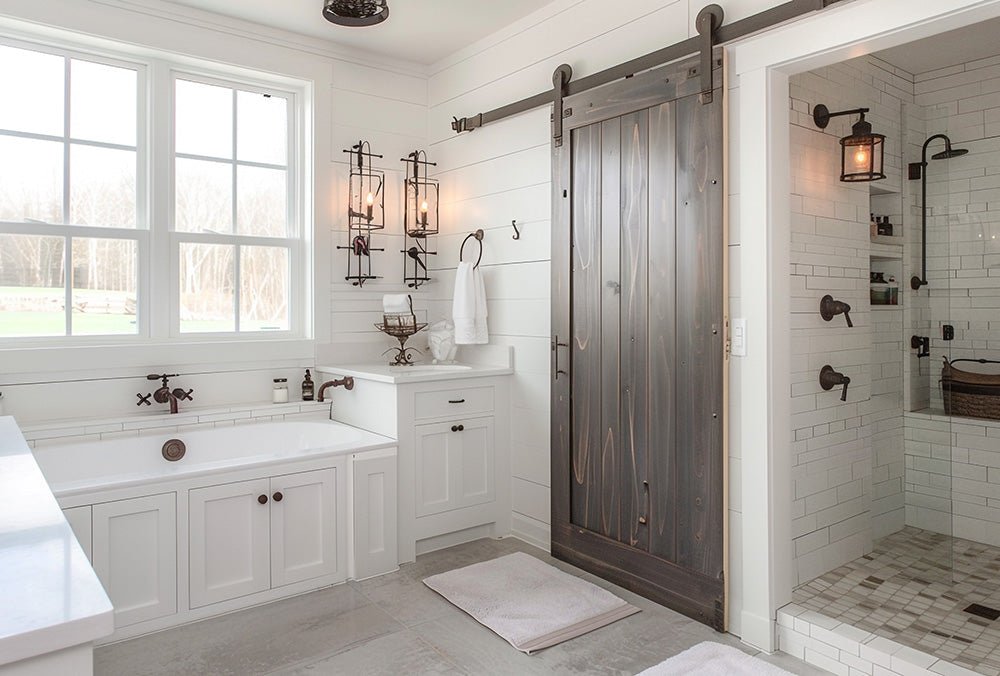
Buying matching bathroom sets creates a coordinated look by balancing finishes across three to five key pieces. A basic four-piece package usually includes a soap dispenser, toothbrush holder, tumbler, and soap dish. Coordinating these items creates visual calm without costly renovations. You’ll learn how to balance finishes, plan room proportions, and stop common moisture damage before it ruins your hardware.
Table of Contents
How matching sets create a coordinated look

A bath set groups practical sink and shower containers under one unified finish, color, or shape. People buy them to eliminate messy retail bottles and connect their fixtures with the surrounding wall tones. This upgrade suits anyone wanting a tidy space without remodeling walls or cabinets.
A frequent mistake is assuming every item in the space must share the exact same pattern. Forcing identical prints onto rugs, shower curtains, and resin cups actually makes the room look smaller and dated. High humidity causes unsealed materials to degrade quickly; natural wood or soft metals absorb moisture, which leads to swelling or corrosion. Real coordination comes from pairing compatible textures, such as brushed nickel pumps with matte ceramic trays, rather than buying plastic bundles that try to do everything at once.
The basic method
- Count the available flat surfaces on your vanity, leaving at least 8 inches of clear space between the sink basin edge and your accessories to avoid water splashing.
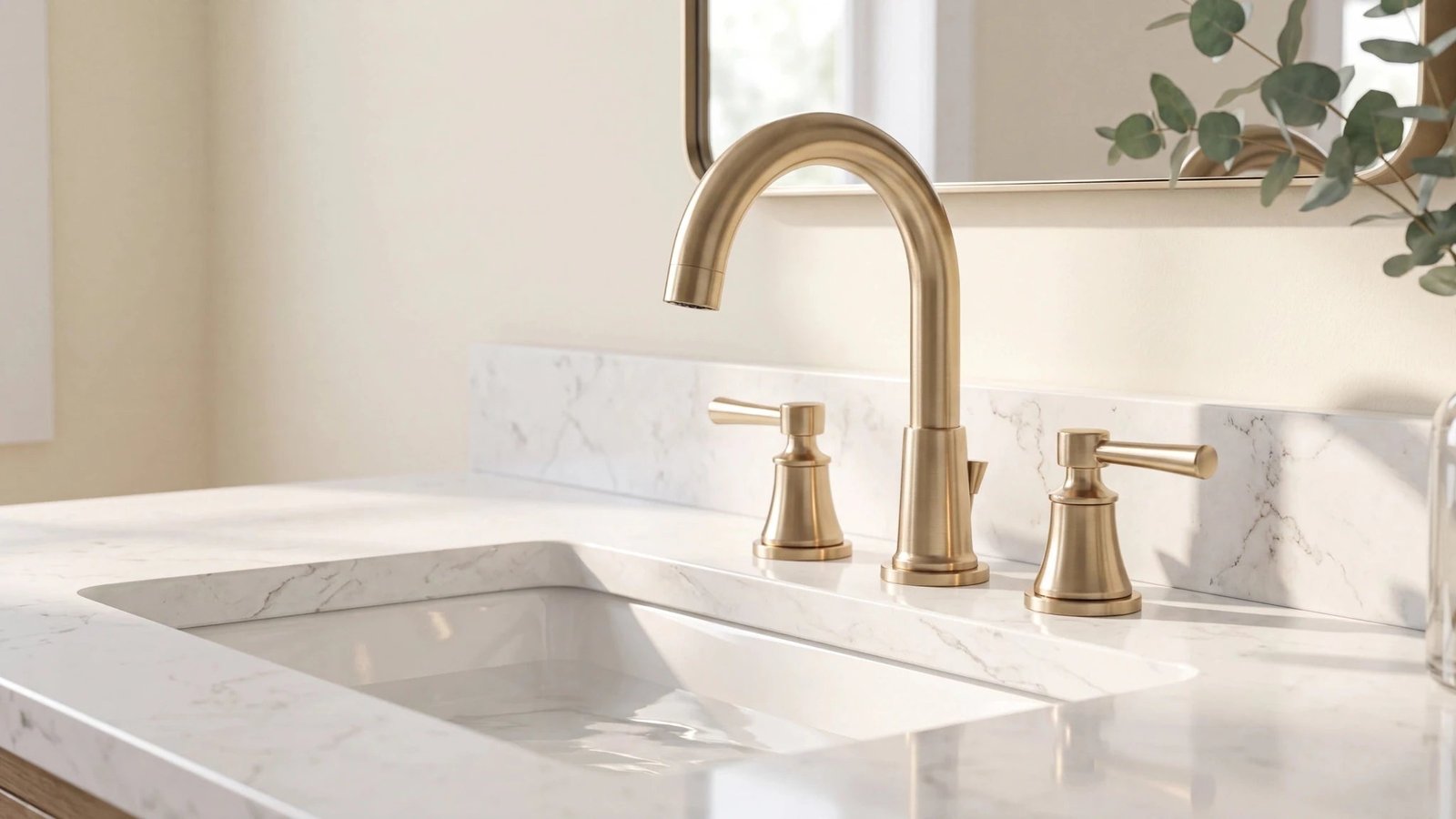
- Select your base metal finish by checking the sink faucet; match that specific undertone, choosing either cool tones like chrome or warm tones like brass.
- Measure your countertop depth; if you have less than 6 inches of counter depth, buy a wall-mounted set rather than a flat tabletop tray.
- Place the soap dispenser within 4 inches of your dominant hand side near the faucet for simple daily reach.
- Set your toothbrush holder 6 inches behind the soap dispenser to keep rogue water droplets from settling inside the cup.
- Install a matching towel ring 18 to 24 inches above the counter edge so wet hand towels don’t drape into sitting sink water.
- Add a wastebasket and toilet brush container made from the same collection, placing them 2 inches away from the toilet base for easy floor cleaning.
The key judgment call is choosing whether your accessories act as the focal point or the quiet background. If your wall tiles carry bold patterns, buy smooth, single-color stone or porcelain accessories. If your walls are plain white, rich textures like ribbed glass or dark bronze bring needed depth to the room.
Key numbers and settings at a glance
Planning around your vanity size ensures you buy pieces that fit the counter without crowding daily tasks.
| Situation | What to use | How long | What to watch for |
|---|---|---|---|
| Small counter (under 24 inches) | 2-piece set: pump and wall-mounted cup | 10 minutes to place | Crowded sink rim catching soap drips |
| Standard vanity (30 to 48 inches) | 4-piece ceramic set on an 8-inch tray | 15 minutes to organize | Water pooling beneath the main tray base |
| Double vanity (60+ inches) | Dual 3-piece sets with one shared canister | 20 minutes to arrange | Mismatched spacing between the two faucets |
| High-humidity powder room | Glazed porcelain or sealed stoneware | 5 minutes to set out | Unfinished bases scratching smooth counters |
| Kids’ shared bathroom | Heavy-wall resin or silicone components | 10 minutes to position | Slippery pump heads sliding off edges |
| Rental unit | Freestanding pieces with non-slip rubber pads | 10 minutes to install | Suction cups losing grip on slick tile |
What separates good results from bad ones
Foundation and spacing
Careful setups start with a dry run. Skilled organizers clear the counter entirely and wash the surface before placing a single container. They align accessories along the back wall rather than clustering them around the faucet. They also check clearance around cabinet doors: if an open medicine cabinet hits your toothbrush holder, move the holder 3 inches farther right. Never place liquid dispensers directly over electrical outlets.
Texture and material limits
A polished room relies on contrast instead of total matching. If you have glossy subway tile, pick matte stone or frosted glass accessories to break up the glare. Watch the underside of every container; lower-end ceramics often feature raw, unglazed clay rings on the bottom that leave permanent scuffs on quartz counters. Look for pieces with built-in silicone feet, or stick protective felt pads on them yourself.
Common problems and quick fixes
Daily use reveals functional flaws quickly, but most vanity issues take just a few minutes to correct.
| What you notice | What it usually means | What to do first |
|---|---|---|
| Green residue around pump spout | Liquid soap reacting with real brass | Wipe clean and switch to pH-neutral hand soap |
| Slime inside toothbrush tumbler | Standing drain water trapped inside | Wash with warm water and leave upside down to dry |
| Metal base rusting on quartz | Thin plating over steel wire | Stick adhesive rubber pads underneath the metal ring |
| Pump sticks in down position | Dried liquid soap clogging the internal spring | Soak the whole pump head in hot water for 10 minutes |
| Base slides when counter is wet | Flat glossy finish lacks friction | Add four small clear bumper dots to the corners |
Cleaning standards and safety limits
Wet bathroom counters serve as prime breeding grounds for organic buildup. According to NSF International household germ studies, bathroom toothbrush holders rank among the top ten dirtiest items in typical homes. Coliform organisms collect in dark cup bases within days when wet handles sit in stagnant puddles.
To maintain proper hygiene, wash these containers thoroughly at least once a week. If you notice persistent black mold forming in porous accessories like raw bamboo, throw them away immediately. Never clean zinc or plated plastic sets with bleach or harsh abrasive powders; harsh chemicals strip thin protective coatings and release foul odors.
Keeping your hardware clean
Keep your matching accessories fresh by wiping them down with a microfiber cloth every two to three days. Rinse pump mechanisms under warm running water monthly to dissolve congealed soap buildup. Glazed ceramics last indefinitely if they don’t chip, while plated steel wire usually shows rust spots as it ages in unvented rooms. If scale builds up around the rim, soak the parts in equal parts white vinegar and warm water for 15 minutes, then dry completely with a clean towel.
When to use a different approach
Matching sets don’t work for every floor plan. This approach isn’t for tiny powder rooms with zero-clearance pedestal sinks. Placing loose bottles on narrow porcelain ledges causes messy drops and broken tiles; mount an all-in-one dispenser to the wall instead.
Skip full collections in homes with mixed-metal fixtures, like a matte black faucet paired with aged bronze cabinet pulls. Forcing a third distinct look through a complete matching accessory set makes the vanity look disorganized. Use clear acrylic or simple white stoneware containers to bridge the two existing finishes instead.
Frequently asked questions
Can you mix chrome faucets with brushed nickel accessories?
No, because their undertones clash under typical bathroom lighting. Chrome gives off a cool, reflective blue tint, while brushed nickel features a soft, warm yellow glow. Choose matching brushed accessories, or switch to clear glass so the clash isn’t visible.
How long do soap pump springs usually last?
Most internal metal springs hold up for two to three years of daily household use. Cheaper plastic spring assemblies fail sooner when thick, gritty soaps cause internal jams. Inspect the pump label to see if the tube tolerates heavy exfoliants.
Is resin better than ceramic for bathroom accessories?
Yes, for kids’ bathrooms or homes with hard stone flooring. Resin resists cracking when dropped into porcelain sink basins, while ceramic breaks easily on impact. Ceramic stays easier to sanitize because its glazed surface doesn’t absorb soap dyes over time.
Why does the bottom of my soap dish get sticky?
Water combines with dissolved soap scraps and settles into unvented cavities. Buy dishes equipped with raised inner ridges or draining slits. Empty the catch basin weekly to prevent dried residue from sticking to your vanity surface.
What happens if you put metal accessories in the dishwasher?
Plated finishes will tarnish, peel, or rust from harsh dishwasher detergents and intense steam. High heat also softens the waterproof glues holding decorative parts together. Always wash decorative bath metal by hand using mild dish soap.
Final Thoughts
Updating your space doesn’t have to be a major project. Start by picking one color or texture you truly love, and you’ll see how quickly your room feels put together. It’s a simple way to refresh your home, so don’t be afraid to experiment with your favorite style today.