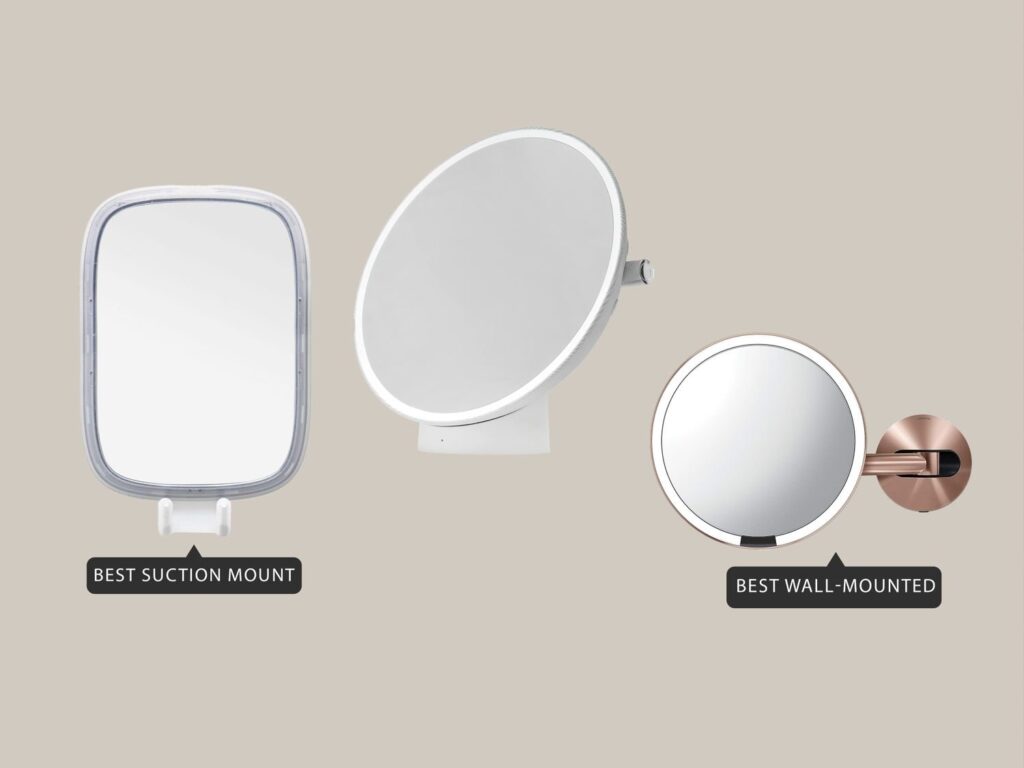
A flat, low-iron float glass mirror with built-in 5000K LED lighting solves makeup mirror types which one gives you the clearest reflection because it removes both green color tint and face shadows. A high-magnification concave mirror wins only when you need close-up detail for fine eyeliner work or eyebrow tweezing.
Table of Contents
Comparing the different makeup mirror types
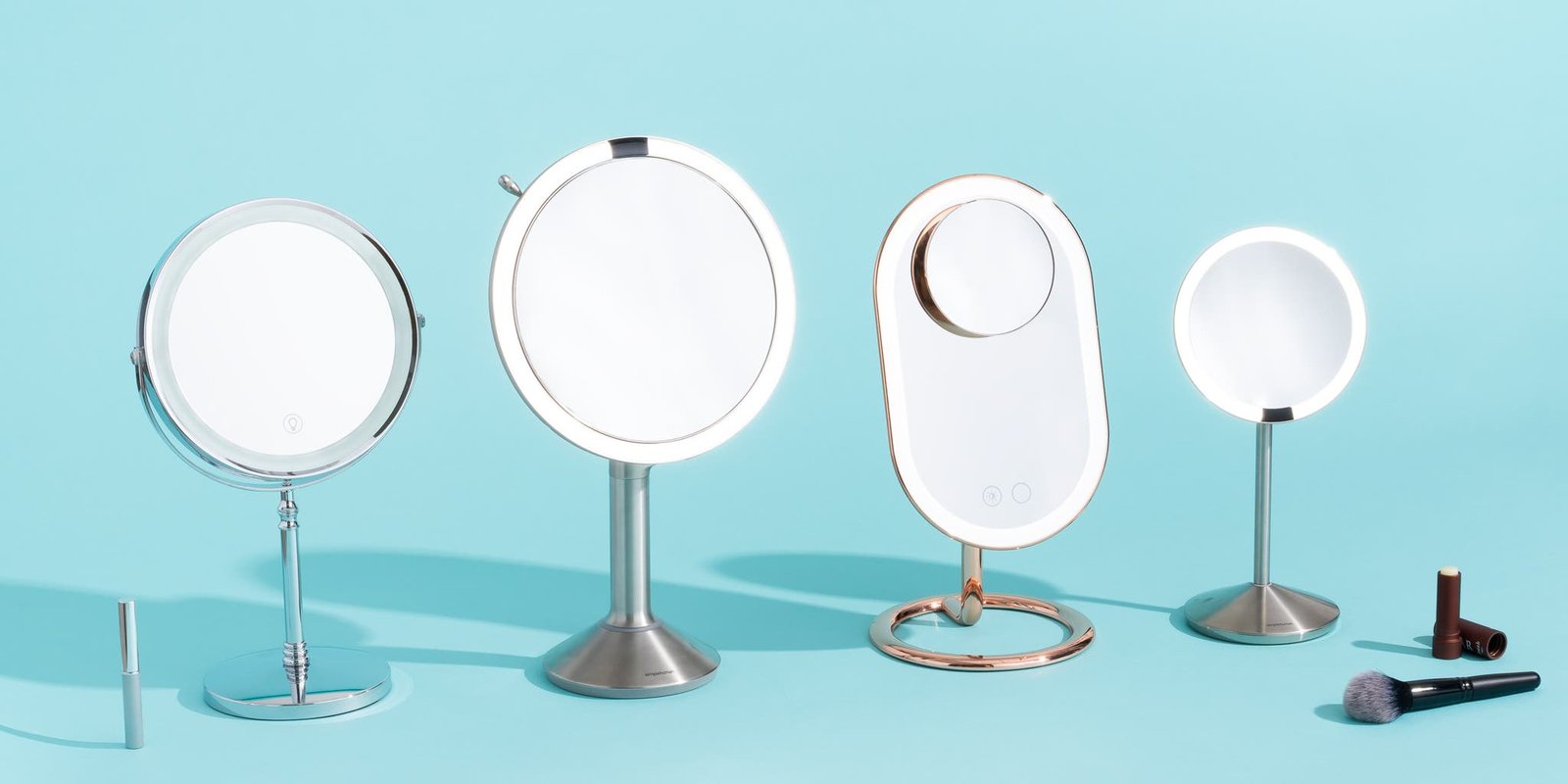
Choosing the right mirror comes down to glass purity, lighting support, and glass curvature.
| Method | How long | Effort | Cost | Best for |
|---|---|---|---|---|
| Low-Iron Lighted Vanity | 5–15 minutes per session | Low | High | Full-face balanced application |
| Concave Magnifying Mirror | 3–10 minutes per session | Medium | Medium | Precision lines and tweezing |
| Plain Flat Plate Glass | 5–20 minutes per session | High | Low | Checking general room balance |
| Acrylic Travel Mirror | 2–5 minutes per session | Medium | Low | Quick checks on the move |
Low-Iron Lighted Vanity
Low-iron lighted vanity units use extra-clear glass and perimeter light bulbs to show your skin tone without distortion.
- Place the mirror directly at eye level so you don’t tilt your neck downward.
- Set the integrated light temperature dial to 5000K, or daylight balance, before picking foundation shades.
- Keep your face 10 to 14 inches away from the glass surface so the perimeter light spreads evenly across both cheeks.
- Clean the mirror with 2 sprays of standard glass cleaner on a lint-free cloth once per week to stop oil films from blurring the image.
This build delivers true-to-life color fidelity because standard float glass contains iron salts that tint reflections pale green. It lets you blend liquid products smoothly because shadows disappear under direct frontal lighting. However, it takes up a permanent patch of desk or wall space and requires a wall outlet or frequent charging. If you need hardwired electrical installation behind bathroom drywall, hire a licensed electrician to avoid shock risks.
Concave Magnifying Mirror
A concave magnifying mirror bends glass inward to enlarge specific areas of your face like eyes, lips, and brows.
- Mount the swing arm on a wall or place the weighted base on a secure counter at chest height.
- Select your side: standard 1x glass for setup, or flip to the curved side (typically 5x to 10x) for detail.
- Move your eyes forward until you’re exactly 3 to 5 inches away from the glass center.
- Apply detail items like liquid eyeliner or individual lashes while keeping your head completely still to maintain focal sharpness.
This mirror excels at extreme close-up tasks where seeing single hairs or tiny smudges saves time. You won’t strain your eyes searching for small skin details. Its main weakness is severe edge distortion; if you step back past its focal range, the image turns upside down and blurs. This model isn’t for full-face foundation blending, as hyper-focusing on small areas often leads to over-applied product.
Plain Flat Plate Glass

A standard flat plate glass mirror relies on ambient room bulbs and standard soda-lime glass to show your face.
- Situate yourself directly beneath or facing the strongest neutral white bulb available in the room.
- Step back 18 to 24 inches from the surface so you can see your neck, chest, and hairline together.
- Tilt the mirror angle until no ceiling bulbs reflect directly into your pupils as glare.
This setup offers a wide view of your entire outfit, hair, and cosmetic balance at standard conversational distances. It costs very little and needs no batteries or cords. The trade-off is lighting reliability: overhead room fixtures cast dark shadows beneath your brows, nose, and chin, tricking you into piling on concealer where your skin doesn’t need it. Acrylic travel mirrors serve as a portable fallback, but thin plastic flexes easily, warping straight lines across your face.
Which one should you use?
If you’re in a hurry, grab a concave magnifying mirror because it speeds up precise lines on lids and brows without missed strokes.
If you’re doing this for the first time, use a low-iron lighted vanity because it shows true pigment shades and keeps you from over-applying heavy creams.
If you want the best possible result whatever it takes, use both in order: the low-iron lighted mirror for your base and blush, followed by the concave magnifying mirror for fine detailing. You balance a true view of your whole skin tone against high-detail precision. If natural daylight fills the room, use a standard flat mirror; if the room runs dark, rely strictly on calibrated artificial vanity lighting.
The rules that apply whichever way you choose
Clear reflections rely on the quality of light falling on the glass. The ENERGY STAR decorative light fixtures specification outlines color rendering and light distribution metrics, including a Color Rendering Index (CRI) requirement of 90 or above for accurate color output.
First, wipe away any makeup dust or hairspray film using microfiber and clean water; paper towels leave small scratches on coated optics. Partway through your makeup routine, check your face by stepping back 2 feet to review symmetry under indirect lighting. A common mistake people make is leaning too close to high-power magnification during base blending, which costs them clean results when their foundation looks patchy in public sunlight. When you finish, shut off vanity bulbs to protect internal drivers from heat wear. Keep concave units turned away from direct sunny windows to avoid starting fires through focused beams. This varies by model — check the label.
Frequently asked questions

Does magnification make a makeup mirror clearer?
No, magnification enlarges details by curving the glass, but it doesn’t make the glass clearer. Higher magnification actually narrows your field of view and introduces optical distortion along the glass edges if you step outside the focal sweet spot.
Why does my makeup look different outside than in the mirror?
Your mirror’s light source lacks balanced color wavelengths. Bulbs with low Color Rendering Index values or heavy yellow color temperatures hide red and brown undertones, leading you to apply mismatched foundation that looks completely different under sunlight.
What magnification strength is best for everyday use?
A 5x magnification level offers the best balance for most daily routines. It enlarges eyebrows and lash lines clearly without causing the eye strain, motion sickness, or edge warping common on 10x and 15x mirrors.
Can bad mirror lighting cause eye strain?
Yes, uneven vanity lighting forces your pupils to adjust between bright light bulbs and deep facial shadows. Using front-facing daylight LEDs that sit between 4000K and 5000K reduces eye fatigue during extended grooming sessions.
Is silver glass better than aluminum glass?
Yes, silver-coated float glass reflects light more accurately and resists moisture degradation longer than aluminum coatings. Aluminum mirrors bounce back less raw light, which creates a darker reflection and dulls your perception of soft makeup pigments.
Final Thoughts
Choosing the right mirror shouldn’t feel like a chore. If you’re still unsure which style fits your space, visit a local showroom to test the brightness in person. You’ll quickly see how a crisp reflection changes your routine. It’s time to upgrade your vanity and finally enjoy a flawless, confident glow.