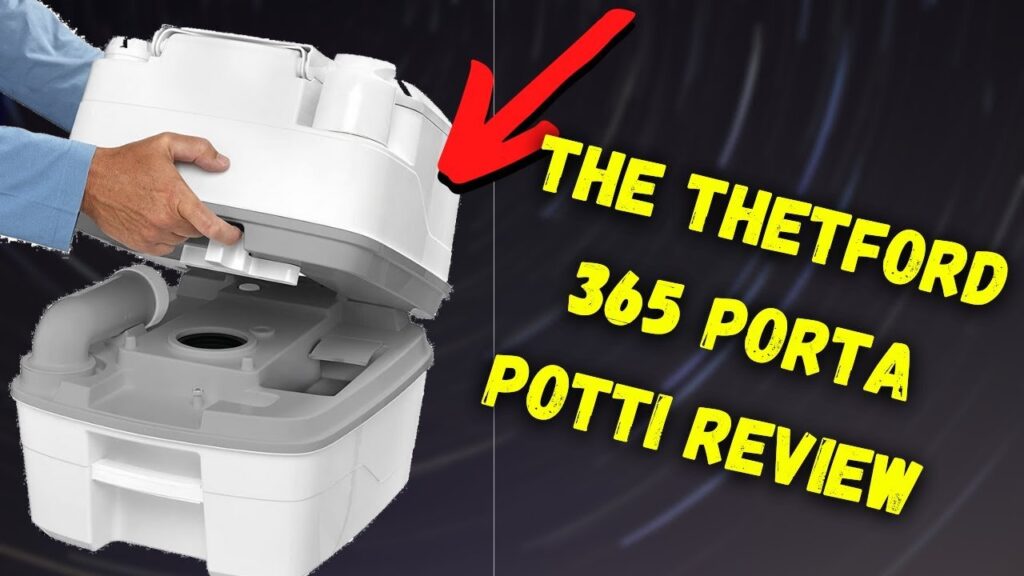
A complete review thetford porta potti assessment shows these chemical cassette toilets deliver dependable waste containment and odor control for car camping, boats, and vans. Most compact units offer 2.6 to 5.5 gallons of waste holding capacity, giving two adults about two to four days of regular use before dumping. This guide breaks down setup steps, valve maintenance, dumping rules, and real field trade-offs.
Table of Contents
How the Thetford Porta Potti functions

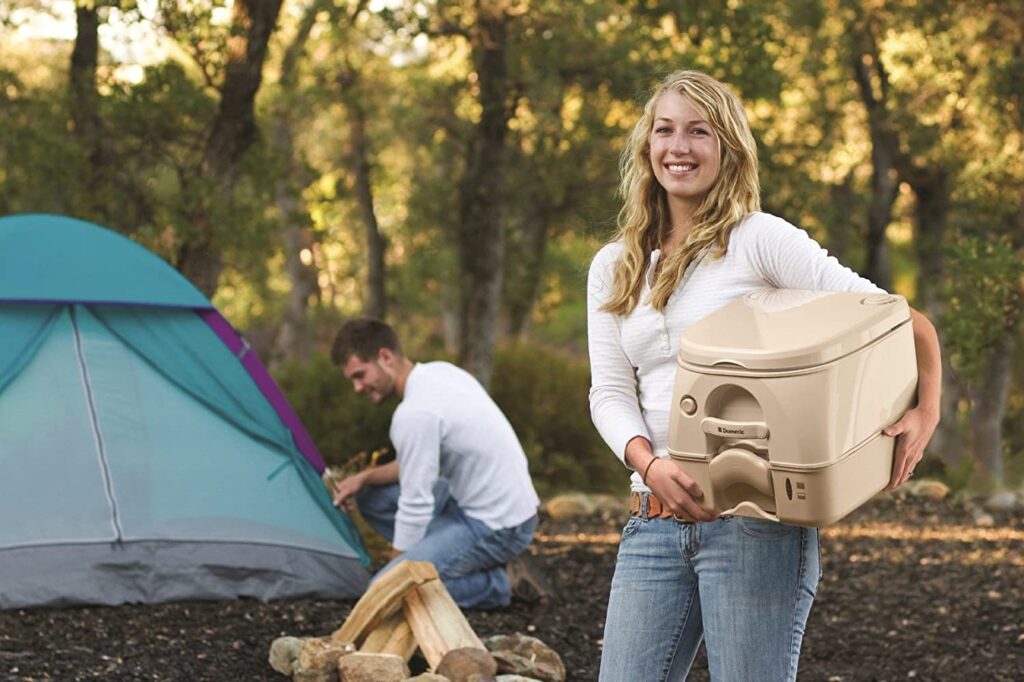
A portable chemical toilet combines a fresh flush-water tank on top with a sealed black-water holding tank underneath. A spring-loaded slide valve separates the two halves to block sewer gas from rising into your sleeping area. You press a manual piston or bellows pump to push rinse water around the plastic bowl, flushing waste down into the sealed compartment below.
Chemical additives break down solid tissue and control odors inside the bottom reservoir. A common misconception is that these units function like home plumbing; they don’t, because waste stays stored directly beneath you rather than flowing away through pipes.
This unit is built for tent campers, van builders, and small-boat owners who need an indoor night toilet. A durable rubber lip seal holds liquids securely inside the bottom tank during travel, provided you vent the tank before changing elevations.
The basic method
- Separate the upper freshwater tank from the lower waste tank using the release lever on the back or side.
- Add the manufacturer-recommended amount of holding tank treatment into the bottom tank, followed by approximately 1 quart of clean water to help disperse the chemical.
- Align the upper section onto the lower tank and press down firmly until the side latches click into a locked position.
- Fill the top water tank with up to 4 gallons of clean tap water, keeping the fill cap tightly closed afterwards.
- Ensure the slide valve is fully closed before use.
- Press the hand pump 2 to 3 times to send rinse water across the entire bowl surface after each use.
- Close the slide valve completely with a firm push to trap all gas inside the lower cassette.
- Monitor the mechanical level indicator on the front; when it turns red, carry the lower tank to an approved sanitary dump station.
The single judgement call that separates a clean run from a bad leak is whether you release tank pressure before opening the blade valve. If the toilet sat in a warm vehicle, trapped gases build up quickly. Opening the valve without a slow preliminary vent will splash contents upward.
Emptying waste into unapproved storm drains or open land creates serious health hazards and violates sanitation laws. Point your route toward designated RV dumps or municipal utility connections that process raw sewage safely.
Key numbers and settings at a glance
Capacity, weight, and dumping schedules change based on tank size and ambient heat.
| Situation | What to use | How long | What to watch for |
|---|---|---|---|
| Weekend solo camp | 2.6-gallon holding tank | 3 to 4 days | Rapid fill if you use excess flush water |
| Two adults camping | 5.5-gallon holding tank | 2 to 3 days | Total tank weight exceeding 40 pounds |
| Cold winter travel | RV non-toxic antifreeze | Full season | Water freezing and cracking the pump chamber |
| Boat or marine use | Fixed floor tie-down kit | 1 to 2 days | Shifting during rough water or fast turns |
| Rapid road transit | Sealed empty waste tank | Travel duration | Valve opening due to vehicle vibration |
What separates good results from bad ones
Preparation and Chemical Balance
Success depends entirely on how you balance water and chemicals before taking your first trip. Experienced users always pour a quart of fresh water into the cassette alongside the deodorizer, because dry chemicals can’t break down waste properly. Standard household toilet paper fails here; it binds around the rubber seals and clogs the pour spout. You must use single-ply rapid-dissolving camper tissue to keep internal parts clear.
Order of Operation and Venting
Good handling requires a strict order during routine venting. If the interior vehicle temperature rises, press the tank’s vent button (if equipped) to equalize pressure before use. If the cabin stays cool, use the toilet normally without extra venting steps. Check the physical seal perimeter each morning for any dampness, but leave the internal pump assembly alone unless rinse pressure drops noticeably.
Common problems and quick fixes
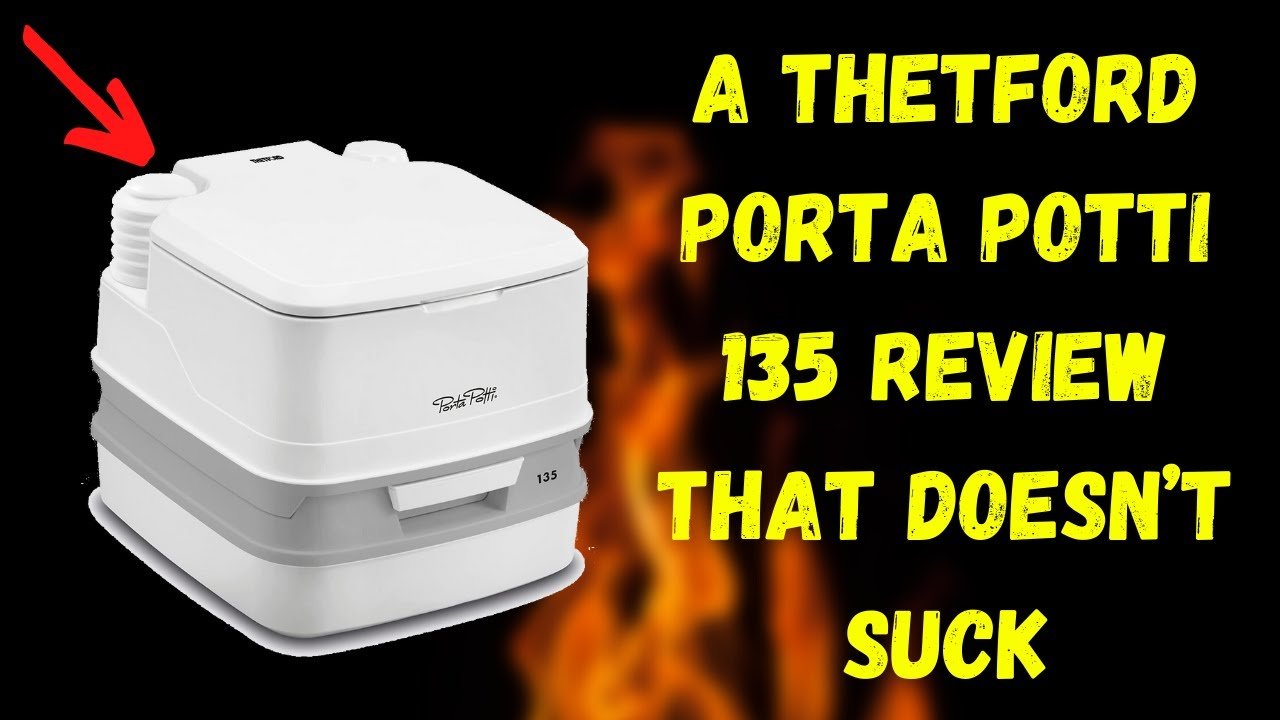
A dry rubber seal or trapped pressure causes almost every common field failure.
| What you notice | What it usually means | What to do first |
|---|---|---|
| Valve lever sticks hard | Dry rubber seal around the blade | Coat the seal lip with pure silicone lubricant |
| Bad odor in cabin | Slide valve not shut or seal failure | Push handle fully in; replace cracked lip gasket |
| Weak water flush | Air lock inside top reservoir | Crack open the freshwater fill cap slightly |
| Liquid drips while carrying | Cassette pour spout cap is loose | Tighten cap threads; replace missing cap O-ring |
| Splash during dumping | Vent button wasn’t depressed | Hold the air-bleed button down while pouring |
The rules that apply
Disposal rules for portable black-water tanks are strictly enforced across public lands and public parks. The Bureau of Land Management sanitation regulations require all human waste on designated public recreation lands to be contained and packed out to an authorized dump station or municipal sewer cleanout. Dumping raw sewage into surface waters, wilderness pits, or storm sewers violates clean water acts and brings substantial federal fines.
Municipal wastewater departments prohibit dumping chemical toilet waste into residential storm drains because storm systems lead directly to natural waterways without treatment. If your route lacks commercial RV stations, empty the waste cassette directly down a conventional residential toilet. Flushing black-water tank contents into home plumbing remains legal, provided you pour slowly to avoid overwhelming the household trap.
Caring for seals and tanks
Rinse the holding cassette with clean water three consecutive times after every disposal run. Chemical residues dry into a chalky crust that destroys moving seals if left inside an empty tank. Store the toilet between trips with the slide valve slightly cracked open; leaving the blade pressed tightly against the rubber gasket causes the seal to stick, warp, and leak on future outings.
Apply silicone lubricant spray to the perimeter seal every three to five dump cycles to keep the rubber pliable. Petroleum jelly ruins these synthetic seals and causes them to swell, so avoid all oil-based products. This varies by model — check the label on your manual for exact seal replacements.
When to use a different approach
This portable toilet system is the wrong choice for weight-conscious backpackers who carry gear on their backs. For backcountry hiking, a standard trowel for burying waste according to outdoor ethics provides the only practical option, costing nothing in vehicle payload.
It’s also a poor fit for off-grid homestead cabins used year-round. A 5-gallon tank fills too quickly for permanent daily living, turning dumping chores into a messy daily routine. For long-term off-grid structures, install a permitted dry composting toilet or a standard plumbed septic system instead.
Frequently asked questions

Can you put normal toilet paper in a Thetford Porta Potti?
No. Standard household bath tissue contains binders that resist breaking down inside portable tanks. It clumps around the slide valve and blocks the pour spout during emptying. Always use rapid-dissolving RV tissue or dispose of standard paper in a separate trash bag.
How do you empty the waste tank without splashing?
Point the integrated pour spout directly into the dump drain and press the rear air-release vent button before tipping. This button lets air enter the back of the tank, creating a smooth, steady pour without glugging, spraying, or splashing back on your hands.
Is it safe to leave waste in the tank for a week?
No. Empty the waste tank regularly, especially in hot weather, to prevent odor buildup and excessive pressure. Odors penetrate deep into the plastic walls, and bacteria generate high air pressure that strains the mechanical seals.
Why is my flush pump hard to press?
Dry piston o-rings or dried mineral scale cause the pump mechanism to bind. Remove the pump cap, coat the piston shaft with pure silicone spray, and pump it several times. Avoid household grease, which degrades the inner plastic piston gaskets.
What happens if you forget to vent the tank?
A sudden elevation gain or temperature increase builds intense air pressure inside the sealed waste cassette. If you pull the slide valve handle without venting the tank first, the pressure equalizes instantly by blowing waste vapor and liquid upward across the bowl.
Final Thoughts
Choosing the right portable toilet makes off-grid life much more comfortable, but it’s only the first step in your setup. Once you’ve picked your model, don’t forget to pack extra biodegradable chemicals and specialized paper. You’ll be glad you’re prepared when you’re finally ready to head out on your next adventure.