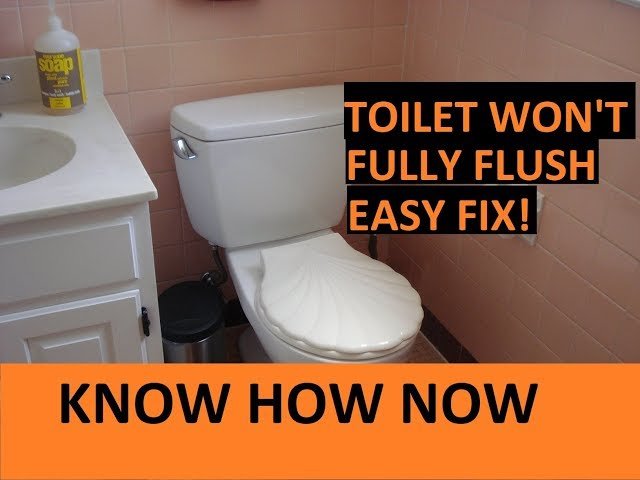
When a toilet doesnt seem to flush all the way, the flapper is closing too early or the tank water level is set too low. Take the lid off the tank and look inside while you press the handle. If the flapper drops shut before the tank empties, the flush will stay weak every single time.
Table of Contents
Reasons your toilet fails to flush fully
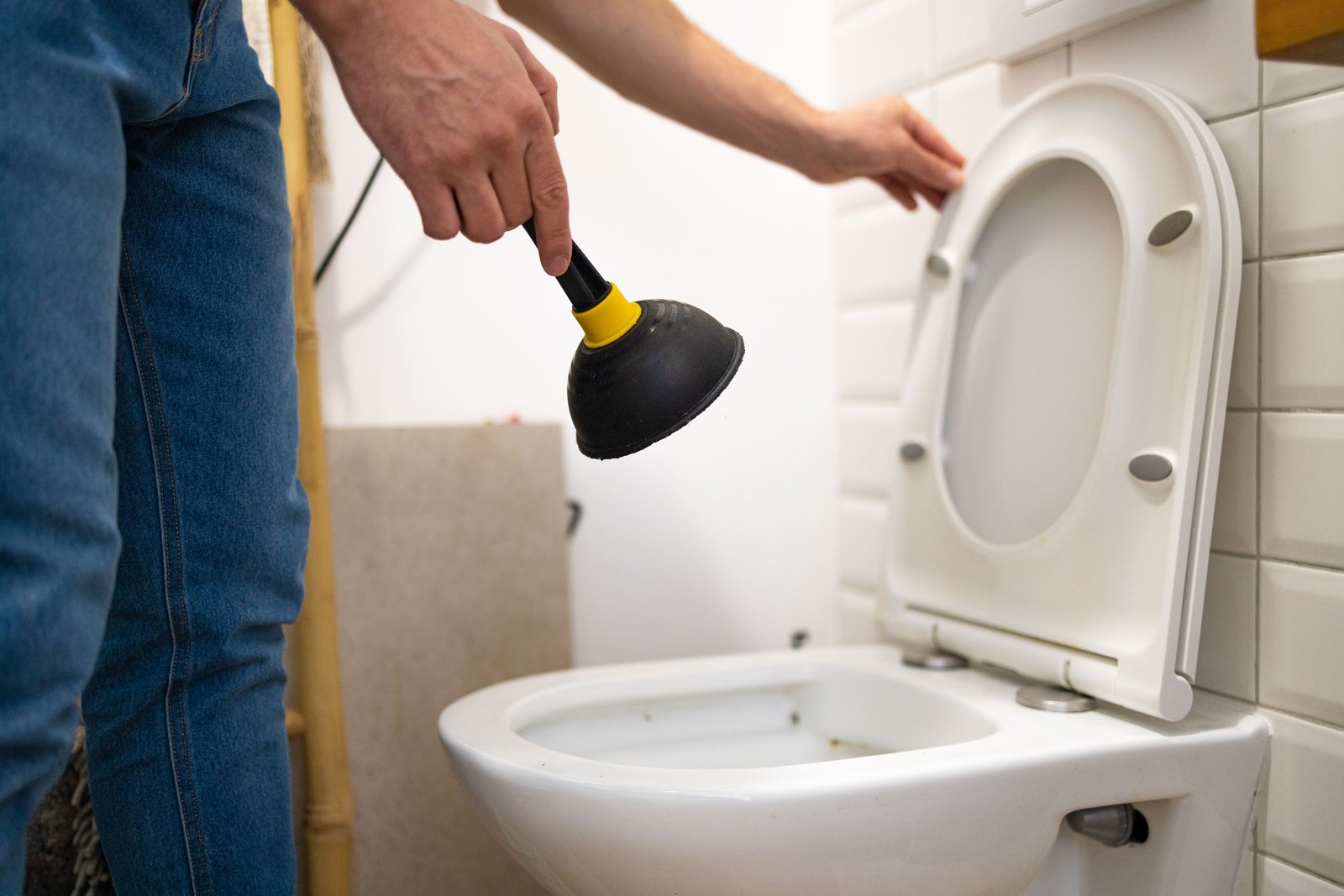
A complete flush needs two things: enough water volume and a fast rush into the bowl. When one of these fails, waste stays behind.
First, the flapper chain might have too much slack. If it sags, pushing the lever only cracks the seal open for a second instead of lifting it fully. Second, the fill valve float might be adjusted too low. This leaves the tank half-empty before you even start. Third, mineral deposits from hard water can block the small jet holes under the bowl rim. When these clog, water enters the bowl too slowly to trigger a strong siphon. According to the EPA WaterSense program, standard modern toilets rely on precise tank volumes to create an effective siphon flush, meaning even a small loss in water height ruins the siphon.
Shorten the flapper chain
This fix is for tanks where the rubber flapper drops shut the moment you let go of the handle.
Look at the chain connecting the flush handle lever to the rubber flapper at the bottom. If there’s lots of loose chain resting on the bottom, unhook the clip from the lever arm. Move the clip down so there’s only about one-half inch of slack left. You don’t want it tight like a guitar string, or the flapper won’t seal and the tank will run constantly.
Test it by flushing. The flapper should rise all the way up and float briefly until the tank drains. A common mistake people make is cutting off the extra links immediately; if you cut them too short, you ruin the chain and have to buy a replacement.
Raise the tank water level
This fix is for tanks where the water stops filling several inches below the top of the overflow pipe.
Locate the vertical fill valve on the left side of the tank. If you have a float arm with a screw on top, turn that screw clockwise with a screwdriver to raise the water limit. If you have a sliding cylinder float, pinch the metal clip and slide the float up. Set the resting water level about one inch below the top of the open overflow tube. This varies by model — check the label stamped inside your tank wall for the exact water line.
Flush the toilet and wait for it to refill. If the water reaches the mark, you have full flushing volume back.
Clear the rim feed holes
This fix is for toilets with hard water scale where the tank works fine, but bowl water swirls weakly without pulling down. This isn’t for cracked porcelain fixtures; if the bowl itself is cracked, replace it immediately.
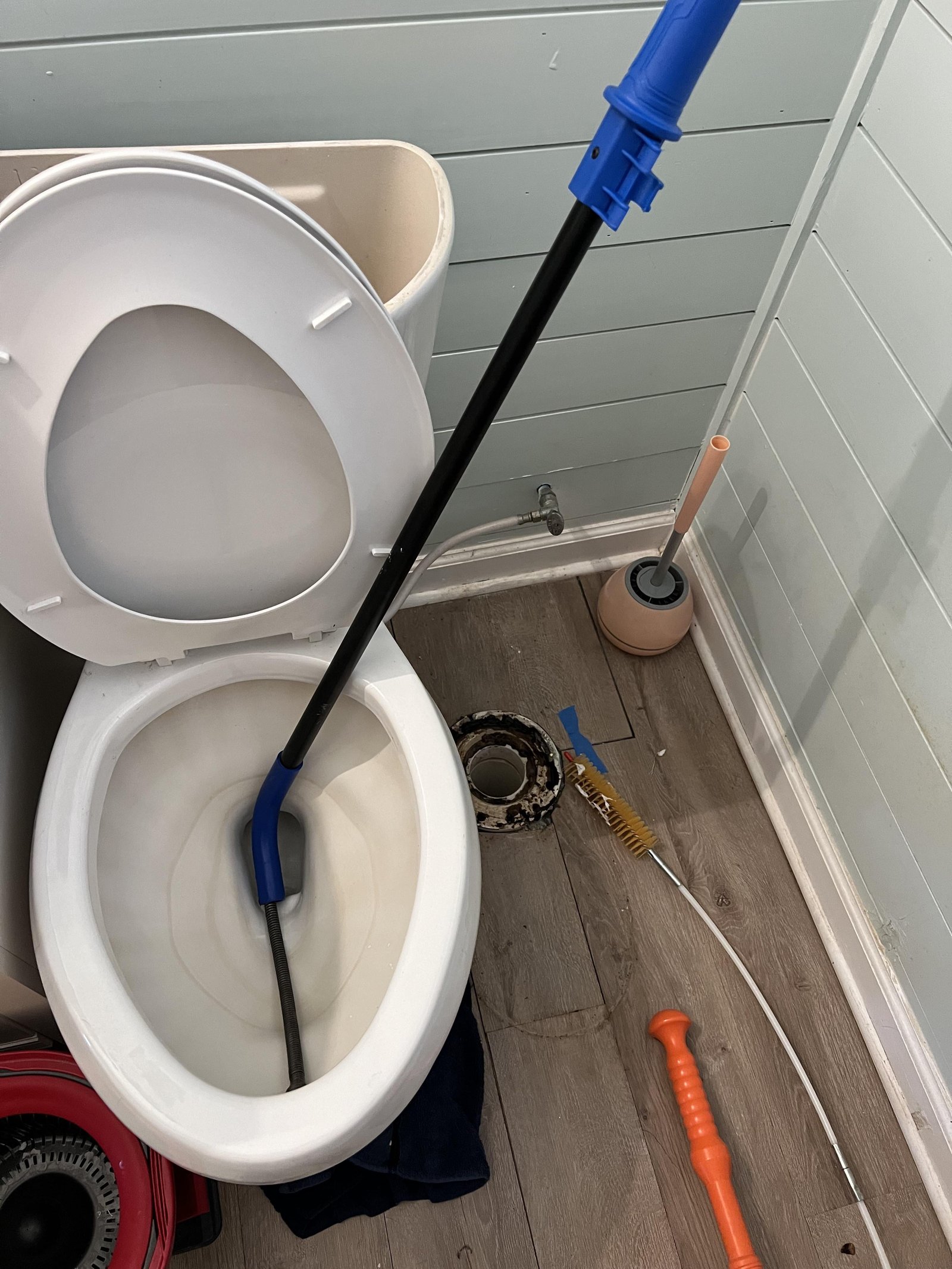
Use an old wire coat hanger or a stiff nylon brush. Poke the end into each small jet hole under the inside rim of the bowl. Push through any white crust or black grime blocking the flow. For the larger siphon jet hole at the very bottom of the bowl, push the wire gently inside to dislodge buildup.
The trade-off here is time: doing it by hand is messy and takes elbow grease, but it saves you from using harsh chemical acids that can burn your skin. Flush once to see if water rushes out fast enough to pull waste down instantly. If water backs up into the shower instead, you have a main sewer line blockage. That’s a main sewer clog, which needs a licensed plumber with a mechanical drain snake.
What not to do
- Don’t put a brick in your toilet tank. Old bricks crumble in water, and the sandy debris jams the flapper and ruins the fill valve seal.
- Don’t drop continuous bleach tablets into the tank. The strong chlorine eats away at rubber seals and flappers within months, causing constant silent leaks.
- Don’t bend the brass flush arm to fix chain tension. Bending the metal weakens it until it snaps off, leaving you unable to flush at all.
How to stop it happening again
Small changes to how you clean and inspect the tank will keep your flush running at full power.
| If you’re doing this | Do this instead | Why |
|---|---|---|
| Using drop-in blue chemical pucks | Pour white vinegar into the overflow tube twice a year | Strong puck chemicals warp rubber flappers, but vinegar gently clears minerals without harm |
| Flushing thick wipes labeled flushable | Throw all wipes in the trash bin | Wet wipes don’t dissolve like toilet paper and get caught in the siphon trap |
| Ignoring a handle that sticks | Clean lime buildup off the handle rod with a scrub pad | A stiff handle stops the flapper from closing properly and wastes tank water |
Frequently asked questions
Can a clogged plumbing vent cause a weak flush?
Yes. The vent pipe on your roof lets air into the drain lines so water moves freely. If leaves or bird nests block that pipe, the toilet drains slowly and glugs. You’ll need to clear the roof vent or hire a drain specialist to inspect it.
Why do I have to hold the handle down to get a full flush?
The flapper chain has too much slack. When you push the handle, it only lifts the flapper partway, so it drops before the water empties. Shorten the chain by two or three links so the flapper stays up on its own until the tank drains completely.
How long does a toilet flapper usually last?
About four to five years under normal use. Harsh chemical bowl cleaners or high chlorine in city water can ruin the rubber much faster. If the rubber feels sticky to your touch or leaves black marks on your fingers, it’s time to replace it.
Is it safe to use muriatic acid to clean toilet jets?
No. Muriatic acid produces dangerous fumes that can burn your lungs and skin in an enclosed bathroom. It can also eat through older metal pipes down the line. Use regular household white vinegar instead, which dissolves lime deposits safely without toxic fumes.
What happens if the chain is too short?
The flapper won’t sit flat against the bottom hole. Water will constantly leak from the tank into the bowl, making the fill valve turn on and off all day. Leave just enough slack so the rubber seals completely when the handle rests.
Final Thoughts
If these quick adjustments don’t solve the problem, your chain might just be too long or the flapper could be worn out. Don’t worry if you can’t fix it right away; you can easily pick up a universal repair kit at your local hardware store to get things running smoothly again.