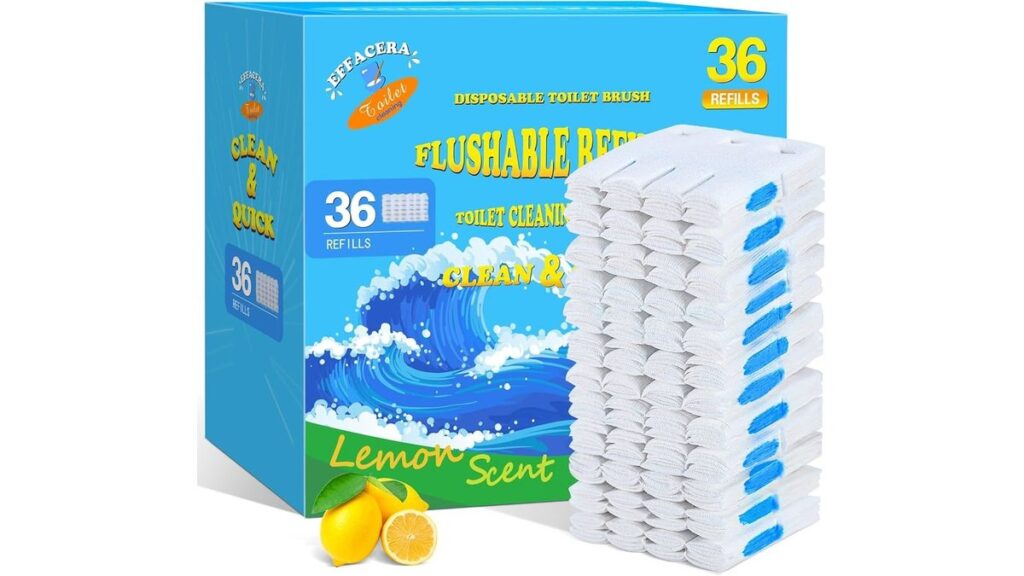
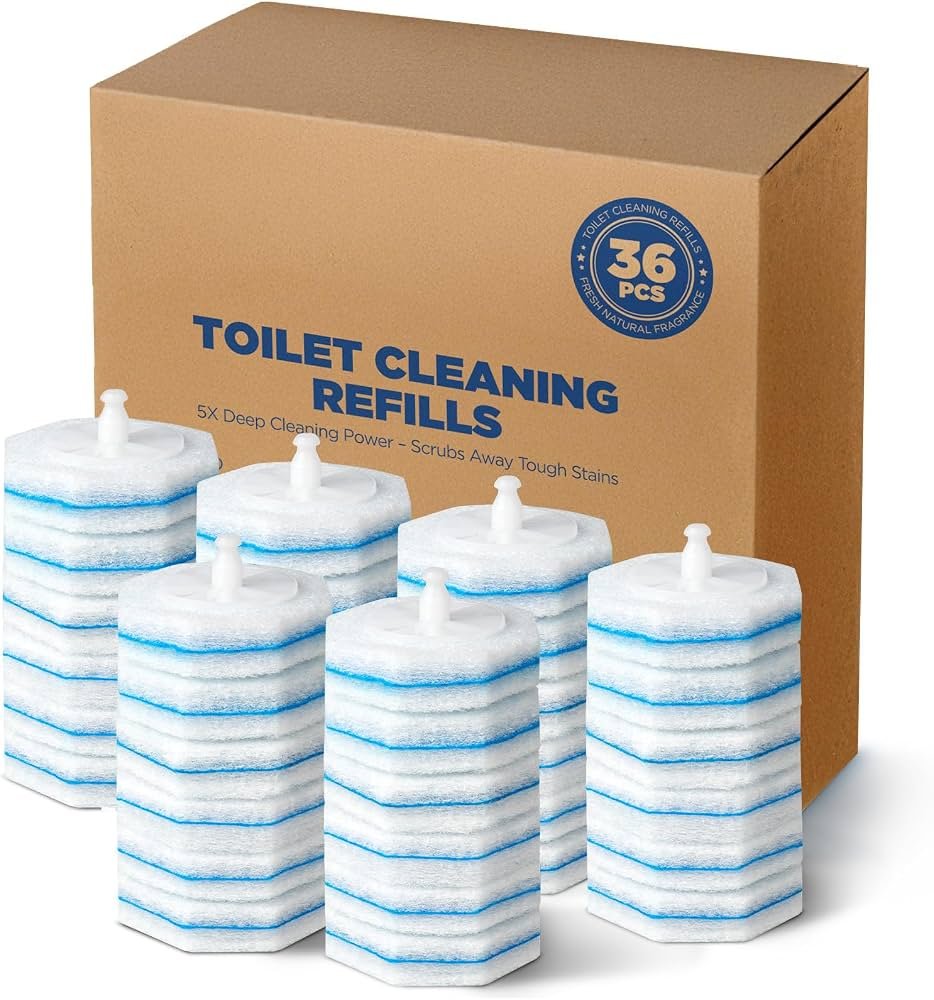
Using toilet wand disposable refills gives you a fresh, pre-soaped cleaning sponge for each wash, taking about 5 minutes from setup to disposal. This task is easy and costs very little per use, though pricing changes across single boxes and bulk packs on store shelves. You only need a matching wand handle to get started. If your toilet bowl has hard water rings, an everyday refill won’t remove them alone, so look at the box label to confirm whether it contains a built-in pumice scourer or a basic detergent pad.
Table of Contents
Gather your toilet wand refills

| Item | How much | Why it’s needed | A substitute |
|---|---|---|---|
| Refill head | 1 pad | Scrubs the porcelain bowl | none — don’t swap this |
| Wand handle | 1 unit | Holds and releases pad | none — don’t swap this |
| Rubber gloves | 1 pair | Shields hands from splash | Nitrile household cleaning gloves |
| Plastic trash can | 1 bin | Catches used wet pad | Small lined wastebasket |
Before you start
- Put on clean rubber gloves before opening the refill carton.
- Clear bath mats away from the base of the toilet to prevent wet drops from falling on fabric.
- Move the lined trash can within arm’s reach of the bowl.
- Check the wand button: if it slides smoothly forward and back, proceed; if it sticks, wipe the clasp clean before loading a pad.
- Don’t attempt to scrub cracked, vintage porcelain with hard scouring heads, and call a professional plumber if wastewater backs up past the trap.
Step by step
- Push the wand handle nose directly into a single sponge pad inside the caddy until the teeth click shut.
- Dip the attached sponge head into the standing toilet bowl water for 2 seconds to activate the embedded soap.
- Lift the sponge above the water line and rub it against the side for 5 seconds until blue or green foam covers the pad.
- Scrub under the inside rim of the toilet bowl, working in one complete circle for 30 seconds.
- Move down the interior walls, scrubbing all porcelain surfaces above the water line using firm downward strokes for 45 seconds.
- Clean the underwater bowl surfaces and the bottom trap opening using small circular motions for 30 seconds.
- Let the foamy cleaning solution sit on the bowl surface for 10 minutes to sanitize, as noted on the Clorox disinfectant product label.
- Flush the toilet once to rinse away all remaining suds and loosened grime from the bowl.
- Hold the wand handle over your lined trash bin and push the release button forward to drop the used pad.
How to know it worked
The bowl porcelain looks bright white, and water runs off the cleaned walls in a smooth, sheet-like film without clinging to greasy residue. You won’t hear gritty scraping noises under the rim when you run the tip along the upper channel. After a complete flush, the water in the trap remains crystal clear without soapy foam or discolored streaks.
If cloudy film still clings to the bowl walls or dark mineral bands stay visible along the resting water line, the surface needs a second round with fresh pressure. Make sure the cleaning foam coats the target stain for the full time before your next rinse flush.
If something goes wrong
| What happened | Why | What to do |
|---|---|---|
| Sponge drops in water | Wand teeth didn’t lock | Fish out with gloves |
| No suds appear | Water contact too short | Dip pad 3 seconds longer |
| Wand button jams | Soap dried inside joint | Rinse wand under warm tap |
| Rust stain stays | Detergent lacks acid base | Use specialty mineral remover |
| Handle jaws stay open | Spring slipped out | Replace the plastic wand handle |
How often to do this
Clean the bowl regularly under standard conditions for a home bathroom used by 1 to 2 people. Two main things change this schedule: household head count and local water hardness. If 4 or more people share a single bathroom, clean every 3 days to prevent heavy waste lines from drying against the porcelain. In areas with high mineral content in tap water, brown calcium rings form faster, meaning you’ll need to scrub twice per week to keep hard scale from building up past the reach of light sponges.
Frequently asked questions

Can you flush toilet wand disposable refills down the drain?
No. Never flush these refill heads because they contain thick synthetic fibers that don’t break down in water. Flushing even a single refill sponge will block domestic waste lines, catch inside pipe elbows, and cause plumbing backups that require an expensive visit from a professional drain rooter to clear.
Why did the refill sponge tear during cleaning?
The pad hit a sharp porcelain edge or dried calcium scale. Toilet bowl castings often have rough, unglazed ceramic beneath the rim that shreds soft sponge material under heavy force. If you apply moderate pressure, clean the rim slowly; if you press hard, use a rigid plastic bristled brush instead.
How long do unused refills last in the box?
About 2 years when stored in a dry closet. The cleaning soap inside the sponge remains stable over long periods, but damp air from hot showers can soften the dry detergent prematurely. Keep the original cardboard carton or plastic lid firmly shut until you need a new pad.
Is it safe to use these refills on colored porcelain?
Yes, for modern vitreous china with standard factory glaze. The detergents inside typical refills loosen surface grime without stripping standard ceramic glaze. However, this isn’t for unsealed antique bowls, painted finishes, or cracked enamel, as harsh surfactants seep into micro-cracks and cause permanent dark spots around damaged areas.
What happens if you drop a refill into the tank?
Take it out immediately with gloved hands. The detergents and fibers in disposable refills are built for bowl sanitation, not cistern storage. Leaving a pad inside the upper tank clogs the intake flapper, degrades rubber flush seals within days, and causes constant water leakage through the bowl valve.
Does it matter which brand of refills I buy?
Yes, because attachment clips differ across makers. A refill pad from one company won’t snap securely onto a handle from another brand. Check your wand grip for the manufacturer stamp, and buy only matching refill boxes to avoid having loose sponges fall into bowl water during use.
Final Thoughts
Keeping your bathroom tidy doesn’t have to be a chore when you have the right tools on hand. Once you’ve finished your current supply, check your local store for eco-friendly or bulk options to save a bit of money. You’ll find that staying stocked up makes keeping a clean home much simpler.