What happens when a toilet fill valve fails includes water running continuously into the overflow pipe, the tank refusing to refill, or loud whistling noises. A broken valve wastes hundreds of gallons each day, raises utility bills, or leaves the bowl empty, preventing a proper flush until you repair or replace the unit.
The toilet fill valve controls water entering the tank after every flush. When internal seals degrade or mineral deposits freeze the float mechanism, the valve stays partly open or completely stuck shut.
Ignoring slow leaks costs homeowners significant money on water utility statements over time. This troubleshooting isn’t for people with wall-hung carrier tanks hidden inside framing, which require a licensed plumbing professional to service.
Table of Contents
How to fix a failing toilet fill valve

- Shut off the water supply valve by turning the oval handle clockwise until it stops tight against the wall. Flush the toilet and hold the lever down for 5 seconds to drain nearly all water from the tank.
- Sponge out the remaining puddle of water at the bottom of the tank to prevent floor drips. Remove the tank lid and set it flat on a bath mat so it doesn’t crack.
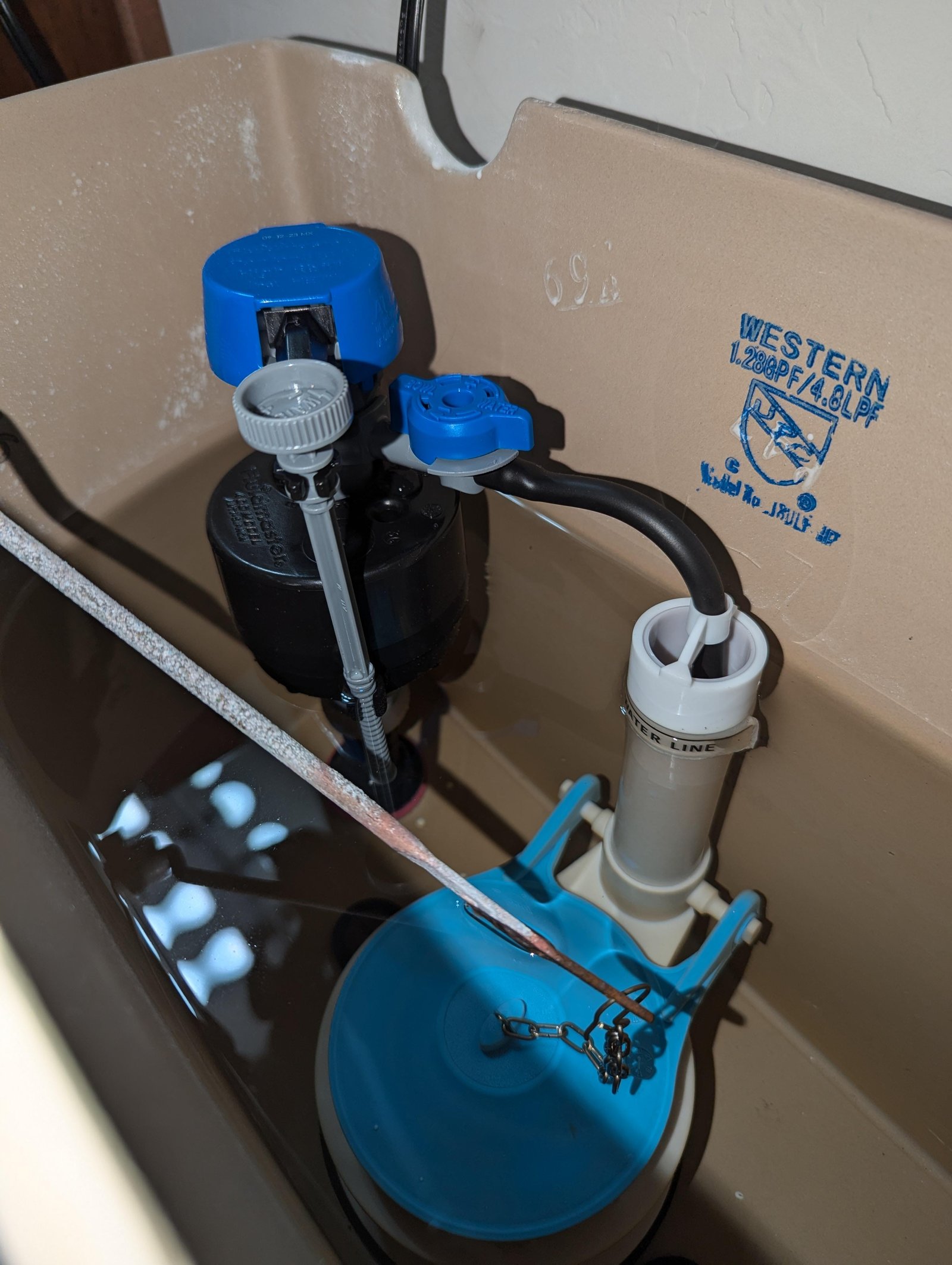
- Check the float arm to confirm it moves freely up and down without rubbing against tank walls. If the float hangs up, adjust the clip or turn the plastic adjustment screw 2 full turns to clear the wall; if it still catches, replace the entire valve.
- Unscrew the top valve cap by pressing down and turning counterclockwise a quarter turn while holding the shaft steady. Place your hand inverted over the open valve and turn the supply stop on slightly for 3 seconds to wash out grit. Tip: Keep a plastic cup upside down over the open assembly so rushing water doesn’t spray bathroom walls.
- Inspect the internal rubber diaphragm seal underneath the valve cap for tears, chalky mineral scale, or hardening. Swap in an exact replacement rubber gasket, or install a fresh universal fill valve assembly if the plastic housing is cracked. Tip: This varies by model — check the label on your tank lid to match valve height before buying parts.
- Hand-tighten the bottom locknut underneath the porcelain tank until snug, then add one quarter-turn with adjustable pliers. Overtightening cracks porcelain instantly, which ruins the toilet tank permanently.
How long it takes
Fixing or replacing a valve takes only a brief window depending on the valve’s condition and accessibility.
| Situation | How long | What changes it | What to watch for |
|---|---|---|---|
| Debris flush | 5 to 10 minutes | Water shutoff valve ease | High-pressure splashing |
| Diaphragm seal swap | 10 to 15 minutes | Valve cap design | Dropping small plastic pins |
| Complete valve swap | 20 to 35 minutes | Rusted supply nuts | Cracking brittle porcelain |
| Corroded locknut removal | 40 to 60 minutes | Space behind the bowl | Stripping plastic nut threads |
If your repair takes more than an hour due to seized metal nuts or frozen angle stops, stop immediately and call a licensed plumber to avoid breaking water lines.
How to tell when it’s done

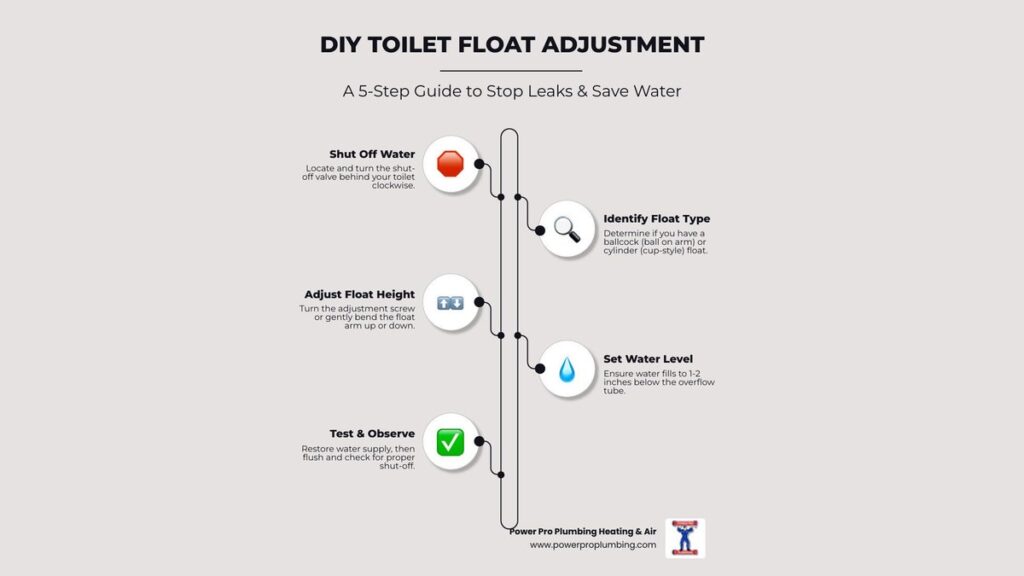
The tank should fill quietly and stop running entirely within 45 to 60 seconds after a flush. The water level must rest at the manufacturer’s water line mark, typically about 1 inch below the rim of the overflow tube. The EPA WaterSense program notes that running toilets waste massive volumes of clean water, so verifying a true seal is critical.
If you aren’t sure the leak stopped, add 10 drops of food coloring into the tank and wait 20 minutes without flushing. If color seeps into the bowl, water is still passing through; if the bowl stays clear, the valve shut off completely.
Mistakes that ruin it
- Yanking the shutoff valve roughly: Seized shutoff valves snap under sudden force and cause immediate bathroom flooding. Turn the valve slowly with steady pressure, and spray penetrating oil on the stem if it resists movement.
- Over-tightening plastic locknuts: Cranking mounting nuts with long metal wrenches splits fragile plastic threads or breaks tank porcelain. Spin the mounting nut until it contacts porcelain, then tighten just one quarter-turn past hand-tight.
- Cutting the refill tube short: Leaving the thin black tube disconnected or trimming it too short prevents water from refilling the bowl trap. Clip the tube securely to the top edge of the overflow pipe so water feeds straight down inside.
- Leaving mineral deposits untouched: Placing a new rubber seal onto a gritty valve stem prevents an airtight closure. Wipe the interior plastic grooves clean using a damp microfiber towel before securing the new cap.
Frequently asked questions
Can a bad fill valve cause high water bills?
Yes, a broken fill valve runs continuously and wastes hundreds of gallons of clean water each week. The constant leak dumps water into the overflow tube unnoticed, running up utility charges until someone closes the supply stop.
Why is my toilet whistling when it fills?
A dirty or torn internal rubber diaphragm vibrates against high water pressure inside the valve housing. This tiny vibration produces a loud screech or high-pitched whistle, which stops when you flush out trapped debris or replace the seal.
What happens if the water level is too high?
Water continuously pours down inside the open overflow pipe and escapes directly into the municipal sewer line. Lower the float mechanism using the adjustment screw until the standing water settles 1 inch below the pipe rim.
Is it safe to leave a running toilet on overnight?
No, leaving a failing valve open overnight wastes significant amounts of water. Turn the shutoff valve clockwise behind the base of the toilet until morning to stop the flow. Turn the shutoff valve clockwise behind the base of the toilet until morning to protect your flooring.
Why won’t my toilet tank refill with water?
Mineral scale or rust fragments can lodge firmly inside the narrow intake nozzle beneath the valve cap. This physical blockage completely chokes incoming water, leaving the tank dry until you take apart the cap and clear the passage.
Final Thoughts
If your tank keeps running or the water level won’t rise, don’t ignore it. A leaking valve wastes gallons every single day and will eventually drive up your utility bill. It’s a simple fix, so grab a replacement part at the hardware store and you’ll have it working perfectly by afternoon.