
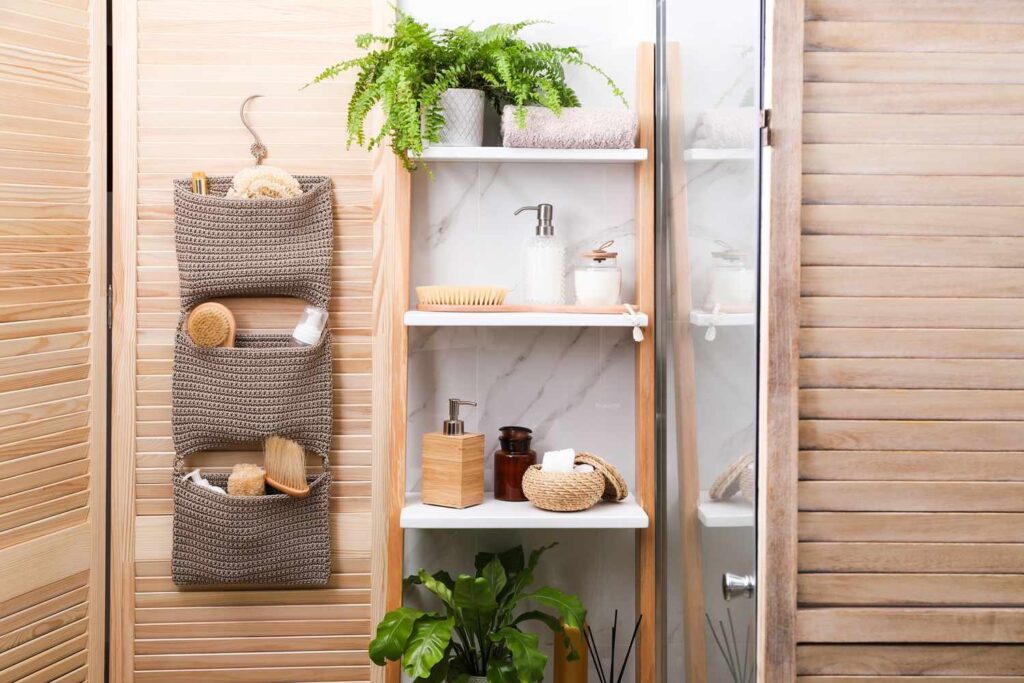
Clearing floor clutter starts with vertical wall units, and using clever towel rack ideas that save space in small bathrooms means mounting a tiered swivel bar or a back-of-door ladder in the dead zones above 48 inches from the floor. This approach works best for shared rentals and tight washrooms that lack wide, empty wall expanses.
Table of Contents
Clever supplies for your towel rack
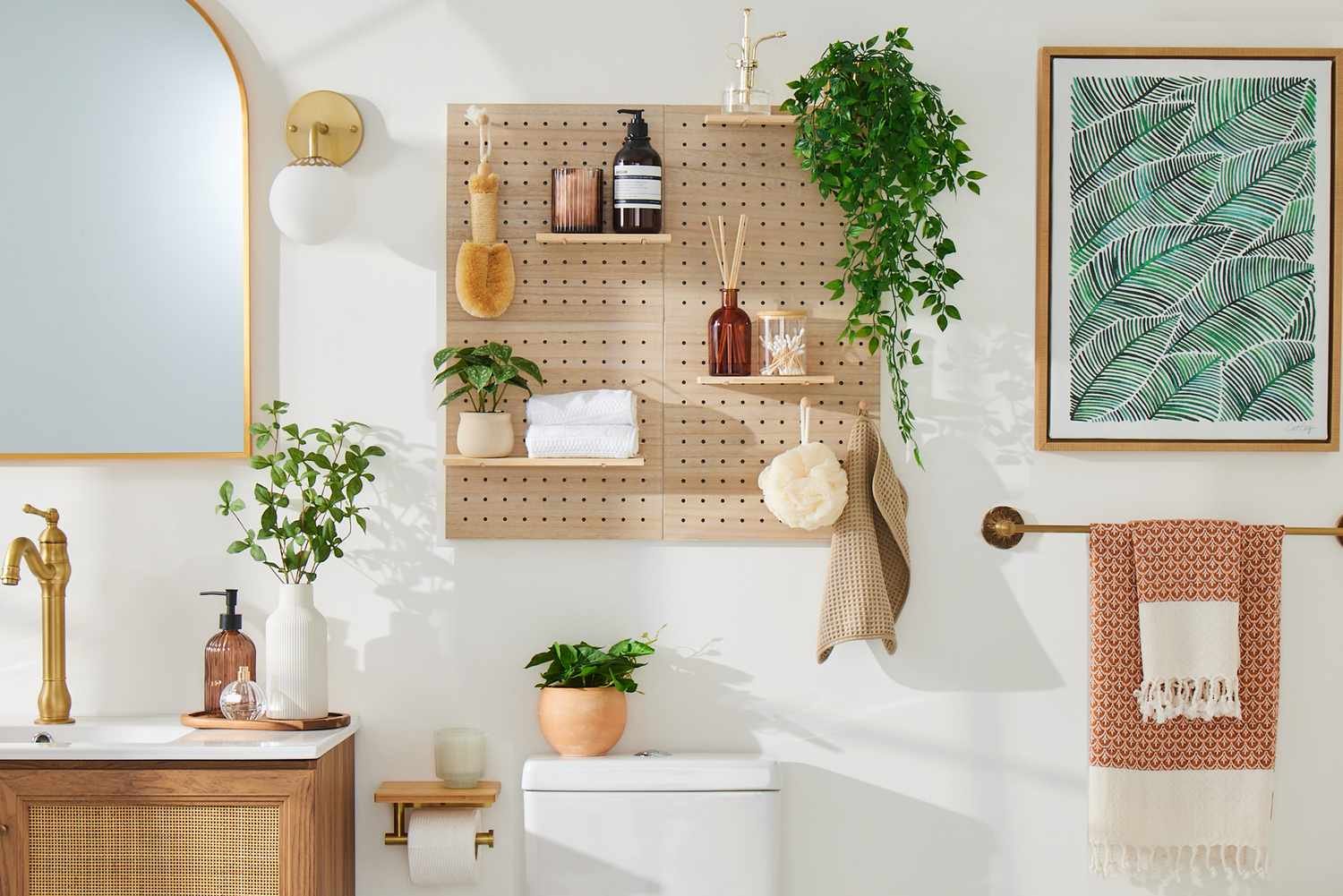
- 1 multi-tier swing arm rack or over-the-door hanger frame sized under 24 inches wide
- 1 battery-powered stud finder with deep-scan capability
- 1 variable-speed cordless drill equipped with a 1/4-inch masonry or standard twist drill bit
- 4 heavy-duty drywall hollow anchors rated for at least 30 pounds each (plastic push-plugs won’t hold damp weight)
- 1 spirit torpedo level, 9 inches long
- 1 roll of low-tack blue painter’s tape
- 1 handheld Phillips-head number 2 screwdriver
You can substitute heavy-duty over-the-door padded brackets if you can’t drill into tiles, but suction-cup hooks won’t hold wet bath sheets reliably. If your bathroom has live electrical wiring runs hidden behind shallow drywall, hire a licensed electrician to verify cable paths before drilling into the studs.
Step-by-step
- Measure your selected door or wall section to ensure it leaves at least 3 inches of clearance from door swings and vanity corners.
- Scan the intended surface with your stud finder; if X marks a wooden stud, use standard 2-inch wood screws, but if Y is empty wall cavity, install heavy-duty toggle anchors instead.
Careful: Don’t mount racks directly above baseboard heaters or wall heaters, as trapped fabric creates an immediate fire hazard.
- Place your torpedo level across the rack body, align the bubble dead center, and mark the screw holes through the bracket holes onto painter’s tape.
- Drill your pilot holes using the 1/4-inch bit on slow drill speed to prevent cracking brittle drywall or wall tiles.
Tip: When drilling through ceramic tile, stick painter’s tape over the mark first to keep the drill bit from wandering across the glazed finish.
- Press your toggle anchors into the holes until the flanges rest flush with the wall face.
- Fasten the rack bracket with the screwdriver until snug, then test the arms with a firm downward tug. If you must run fasteners through thick natural stone or plumb pipes sit directly behind the plaster, stop and call a professional contractor to avoid cracked tiles or flooded walls.
Mounting options by space layout
The best hardware depends entirely on your room’s physical layout and surface construction:
| Bathroom Layout | Hardware Time and Cost | Key Setup Difference | What to Monitor |
|---|---|---|---|
| Hollow Core Door | 15 mins, lowest cost | Uses over-door metal hooks without screw holes | Top door gap clearance |
| Tiled Shower Wall | 45 mins, moderate cost | Needs diamond-tipped carbide drill bit | Tile cracking near seams |
| Narrow Drywall Gap | 30 mins, moderate cost | Uses vertical swivel arms swinging 180 degrees | Anchor looseness over time |
It’s safer to start small with a two-bar swing arm than to buy a giant hotel rack that crowds your walkway.
How to tell you did it right
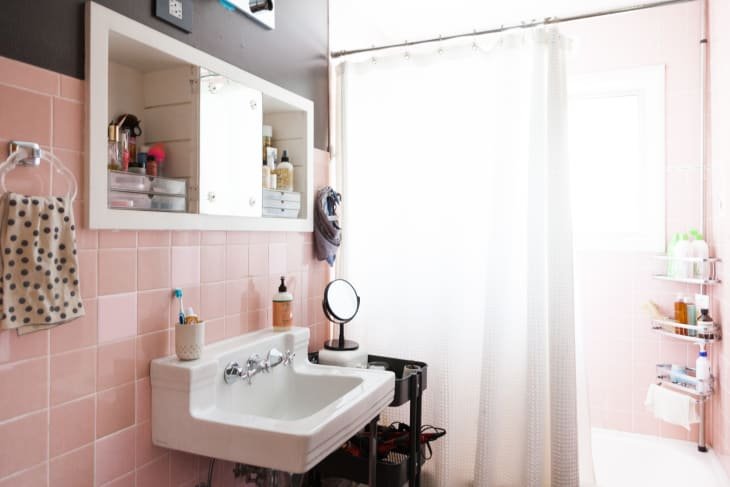
A correct installation sits rigid against the wall without wobbling when you pull a damp towel free. You’ll see flat fabric that hangs clear of the floor, allowing steady airflow beneath each layer. A bad setup sags forward, pulls the anchor out of the drywall, or traps moist folds against the wall. The main quality issue here is persistent musty mildew odor. This sour smell happens because restricted airflow slows water evaporation, allowing damp fibers to harbor bacteria. Spacing bars at least 2 inches apart, keeping damp towels unfolded across horizontal bars, and running the exhaust fan prevent this problem every time.
Moisture safety and daily care
The EPA guide to moisture and mold explains that keeping indoor humidity low and drying wet surfaces within 24 to 48 hours prevents mold growth indoors. Clear away drywall dust immediately so it doesn’t settle into grout lines. Wipe metal rack tubes regularly with a dry microfiber cloth to stop rust on chrome plating. The physical mounts last indefinitely, but hollow-wall anchors need checking as part of your usual clean to make sure steam hasn’t softened the plaster around the holes. If a bathroom ceiling shows peeling plaster or soft, spongy drywall corners, stop drilling and consult a licensed building inspector before hanging heavy items.
Alternate towel storage methods
Vertical rolling wall rack
This method uses a vertical wine-style ladder that holds tightly rolled dry towels in stacked columns. It slashes horizontal wall usage down to just 8 inches of width. However, this is strictly for clean, dry storage and can’t dry damp bath sheets after use.
Freestanding slim bamboo ladder
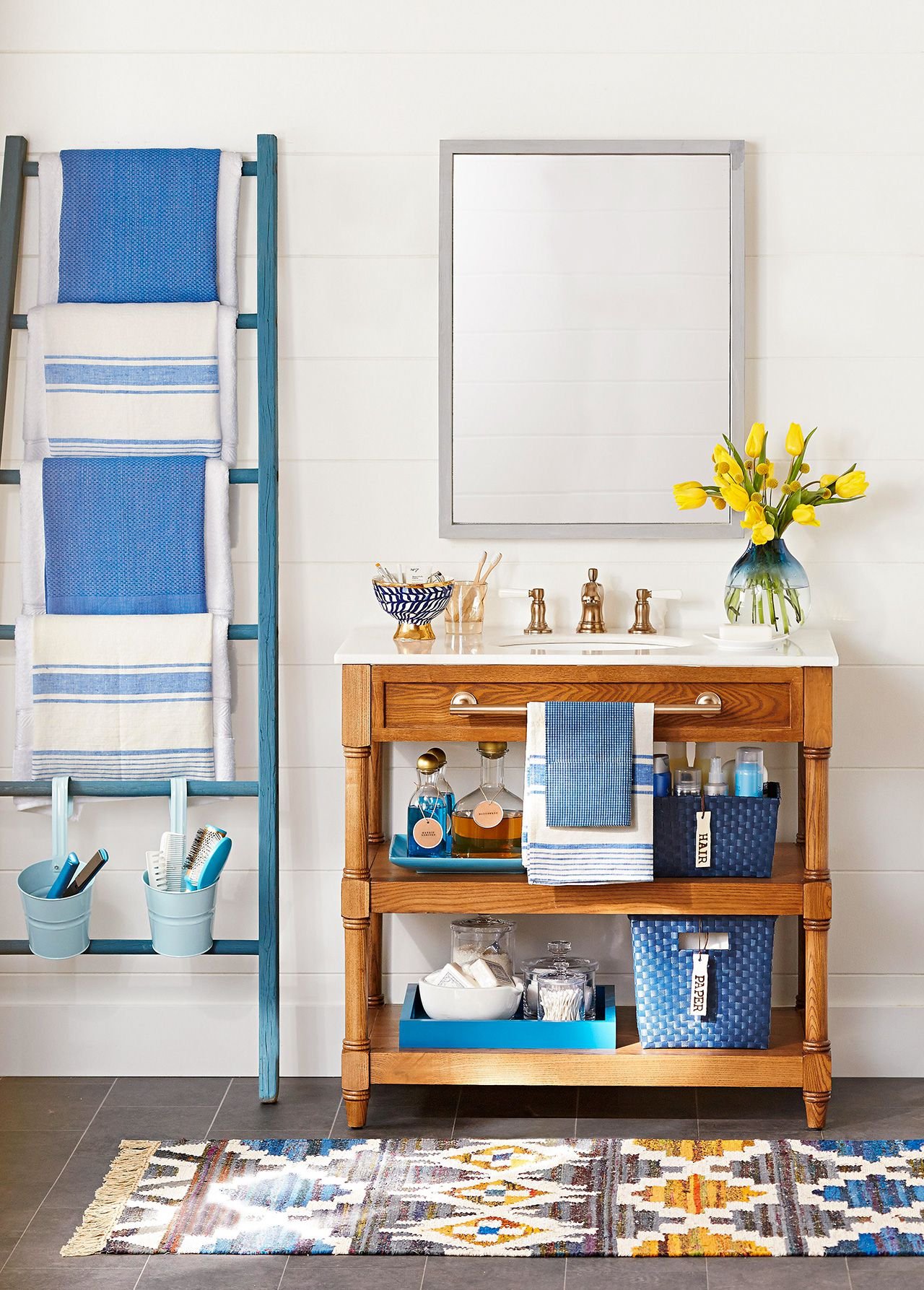
A narrow ladder leans against unused corner drywall without needing permanent screw holes or anchors. It gives you 4 hanging rungs in a tiny 16-inch footprint, though it wobbles on slick surfaces if rubber feet aren’t installed.
Back-of-door hanging pocket organizer
Fabric-and-wire vertical pocket frames hang over standard interior doors using zero drill holes. They store hair wraps and hand towels easily, but they crowd heavy bath sheets together, which doubles drying time compared to metal swivel bars.
Frequently asked questions
Can you hang damp towels on wooden racks?
If you want wooden elements, use sealed bamboo or coated teak rated specifically for high-humidity areas, and wipe the rungs weekly.
What happens if bathroom drywall anchors pull loose?
The hole widens, the metal rack droops, and the screw falls completely out of the wall. When this happens, you can’t reuse the original hole with the same hardware. You must patch the wall with compound or upgrade to a larger butterfly toggle bolt.
Is an over-the-door rack bad for door hinges?
Yes, if you overload it with wet fabric. Standard interior hollow-core doors use lightweight hinge screws that pull loose under heavy loads. Keep over-door weight under 15 pounds by hanging no more than two damp bath towels at the same time.
Why do towels take so long to dry on hooks?
Fabric bunches tightly around a single point, trapping moisture in the center folds where room air can’t reach. A horizontal bar dries fabric roughly twice as fast because it keeps the weave spread flat against moving air currents.
Who this vertical rack setup isn’t for
This setup isn’t for people with reduced shoulder mobility who can’t comfortably reach items mounted above 48 inches. Stacking racks vertically also fails in unventilated basements, where cold, stagnant air prevents folded towels from drying before mildew forms.
How much weight can drywall anchors hold?
Standard plastic expansion plugs hold between 10 and 20 pounds, while metal toggle bolts hold up to 50 pounds in 1/2-inch drywall. Weight ratings vary by model—check the hardware label before buying to verify its static load limit.
Final Thoughts
Transforming your tiny washroom doesn’t have to be a major renovation project. Once you’ve picked a spot for your new rack, you’ll finally enjoy that extra breathing room. Why not head to the hardware store this weekend to grab the supplies you need? You’ll be glad you did when everything’s organized.
Related guides






