

You apply plant extracts safely by diluting 3 to 6 drops into 1 fluid ounce of carrier oil for your skin, or by adding 3 to 5 drops to 100 milliliters of water in an ultrasonic diffuser for 30 minutes. Following [how to use essential oils your ultimate guide for 2025] gives you the exact dilution ratios, diffusion intervals, and safety steps that prevent accidental burns, chemical headaches, and allergic reactions in your home.
Table of Contents
Essential oils and carrier oil basics

Essential oils are highly concentrated liquids extracted from plant leaves, bark, flowers, or peels through steam distillation or cold pressing. People use them to add natural scent to rooms, calm muscle tension, or support a relaxing bedtime routine. This method is made for adults who want natural scents without synthetic aerosol sprays.
A common misconception is that “natural” means completely harmless. Highly concentrated plant chemicals can irritate delicate tissue, cause rash outbreaks, or trigger breathing trouble if used neat. Plant chemicals interact with the skin’s surface and may be absorbed to varying degrees depending on the specific compound and carrier. Because these liquids are fat-soluble, you must blend them with a vegetable carrier oil, such as jojoba oil or sweet almond oil, before skin contact.
The basic method
- Choose your application path: pick inhalation for whole-room scent, or topical massage for localized muscle tension.
- Select a base carrier oil like jojoba, sweet almond, or argan oil if you plan to touch your skin.
- Clean a small glass mixing bowl or roller bottle with soap and warm water, then dry it completely.
- Pour exactly 1 fluid ounce (30 milliliters) of carrier oil into the glass container using a small funnel.
- Add 3 to 6 drops of pure essential oil into the carrier liquid for a mild 1% dilution rate.
- Stir gently with a stainless steel spoon or shake the capped bottle for 15 seconds to distribute the drops evenly.
- Rub 3 drops of the mixed blend onto your inner forearm, wait 24 hours, and check for any redness or itching before using it across larger skin areas.
- Pour 100 milliliters of clean tap water into an ultrasonic room diffuser, add 3 to 5 drops of unmixed oil, and run the mist for 30 minutes in a ventilated room.
The single judgement call that separates a good result from a bad one is knowing when to dilute further. If a blend feels hot or tingly, wash the area immediately with soap and water to remove the essential oil. If you develop sudden hives, wheezing, or facial swelling, stop using the product immediately and seek medical attention from an emergency healthcare clinic.
Key numbers and settings at a glance
Use these standard concentrations to prepare your blends safely for common household settings.
| Situation | What to use | How long | What to watch for |
|---|---|---|---|
| Sensitive facial skin | 1 drop oil per 1 oz carrier | Wash off after 8 hours | Redness, flaking, or dry patches |
| Daily body massage | 6 drops oil per 1 oz carrier | Leave on skin overnight | Mild tingling or warm flush |
| Sore muscle rub | 12 drops oil per 1 oz carrier | Rub in for 10 minutes | Skin heat or localized stinging |
| Bedroom diffuser | 3 drops oil per 100 ml water | Run 30 minutes before sleep | Strong scent causing dry throat |
| Large living area | 6 drops oil per 200 ml water | Run 60 minutes with open door | Sneezing or watery eyes |
| Steam bowl inhale | 1 drop oil in 2 cups hot water | Inhale steam for 5 minutes | Eye stinging or coughing reflex |
What separates good results from bad ones
Clean equipment and gradual blending
Careful users wash their hands and use clean dark glass bottles rather than plastic containers. Strong aromatic compounds break down many household plastics, which contaminates the mixture with dissolved synthetic polymers. Mix your drops slowly into the carrier base, starting on the lower end of the recipe. This extra patience allows you to smell the blend accurately before you add excess drops that can’t be undone.
Controlled diffusion habits
Smart users don’t leave room diffusers running all day long. Olfactory fatigue sets in after roughly twenty minutes, meaning your nose stops smelling the room scent even though the chemical density in the air keeps climbing. If your room smells faint, turn the machine off for an hour instead of dumping more oil drops into the reservoir. If you have pets in the house, keep interior doors wide open so animals can leave the room freely whenever an aroma bothers them.
Common problems and quick fixes
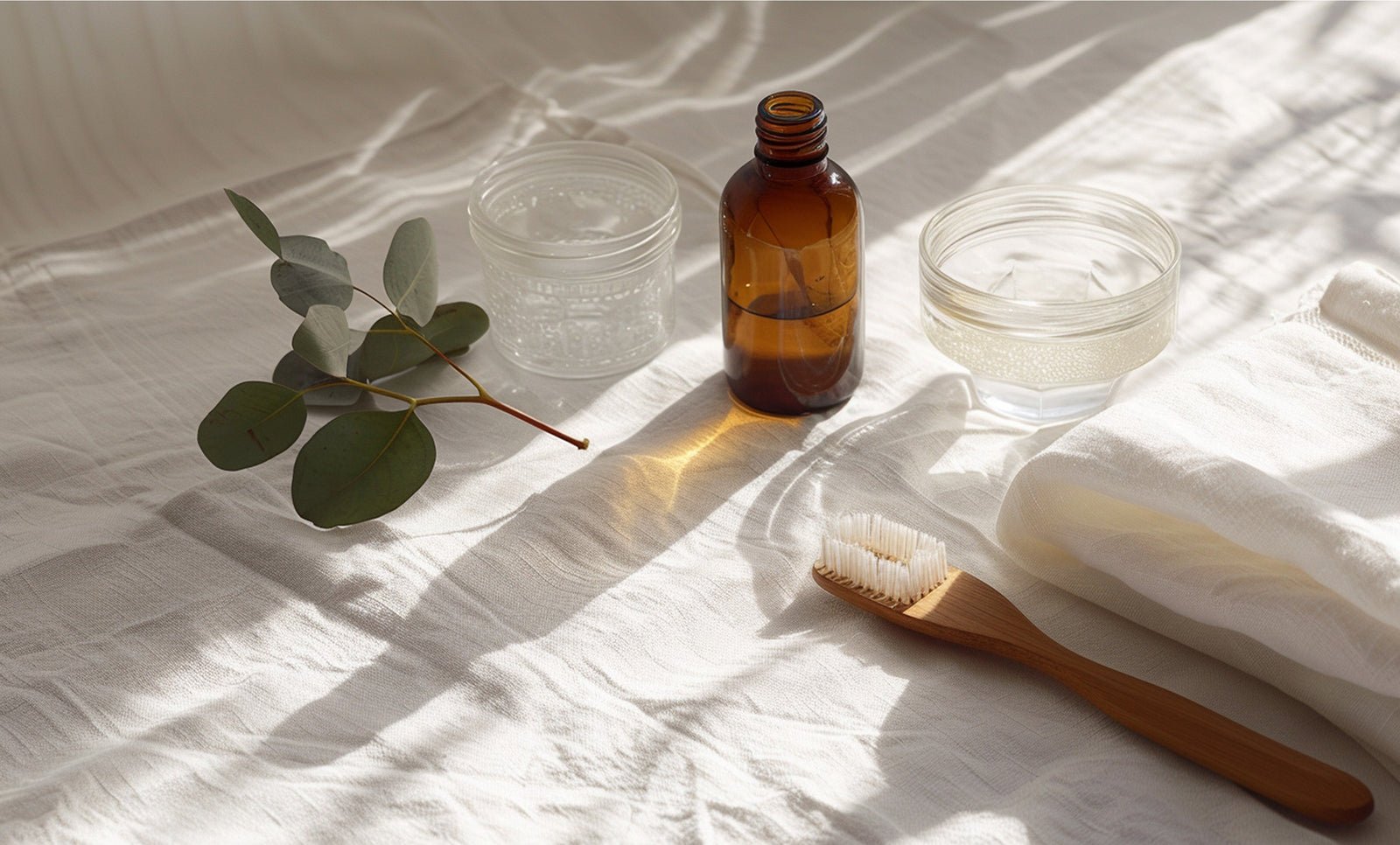
When an issue occurs during application, follow these direct physical corrections.
| What you notice | What it usually means | What to do first |
|---|---|---|
| Skin turns red and hot | Oil was applied without enough dilution | Wash the skin thoroughly with mild soap and water. |
| Sudden headache during diffusion | Air has too many airborne droplets | Turn off machine and open windows |
| Diffuser mist stops flowing | Mineral residue has coated the plate | Clean vibrating plate with white vinegar |
| Citrus oil causes skin dark spots | UV phototoxicity from sunlight exposure | Wash skin and stay out of direct sun |
| Diffuser liquid looks cloudy | Water tank contains settled old oil residue | Empty water and wipe bowl with alcohol |
Safety thresholds and handling limits
High oil concentrations can trigger permanent contact allergies, respiratory irritation, or internal chemical burns. The FDA cosmetics safety guidance points out that essential oils marketed for skin use or room fragrance must meet strict consumer safety thresholds, and they aren’t approved as medical drugs for curing diseases.
Never consume concentrated drops by mouth. The human digestive tract is lined with delicate mucus membranes that burn when exposed to floating oil drops in water. Furthermore, people with severe asthma, pregnant women, and young children should avoid direct vapor inhalation unless an experienced clinical aromatherapist or certified allergist approves the specific botanical variety.
Storing blends and keeping tools clean
Store all oil bottles inside a cool, dark cabinet away from direct sunlight, open flames, and heat radiators. Heat and ultraviolet rays break down aromatic compounds through oxidation, which turns pleasant smells sour and increases the risk of skin rash. Amber or cobalt glass bottles preserve freshness best.
A standard mixed carrier blend holds up for a while before the base oil begins to smell rancid. Pure unmixed essential oils last between one to three years, depending on the plant family. Citrus oils spoil the fastest, while heavy wood oils like cedarwood last longer. You can tell an oil has expired when the liquid turns thick, turns cloudy, or loses its distinct botanical smell. Rinse diffuser basins regularly using clean water and a splash of distilled white vinegar.
When to use a different approach
Essential oils are the wrong choice if you want to treat chronic medical conditions, cure seasonal flu, or heal deep tissue infections. Use verified over-the-counter medication or visit a doctor for proper diagnosis instead of applying topical remedies.
This method is also NOT for homes with pet birds, cats, or newborn infants under three months of age. Felines lack the specific liver enzymes needed to break down common compounds like tea tree, eucalyptus, and wintergreen oil. For these environments, swap diffusers for fresh outdoor air ventilation, simple HEPA air filtration units, or plain warm water pots heated on the stove with fresh cinnamon sticks.
Frequently asked questions

Can you put pure essential oil directly on bare skin?
No, you should never put pure oil straight onto your skin. Undiluted oils cause painful chemical sensitization, peeling, and contact dermatitis. If you want skin application, stir your drops into a carrier oil first; if you only want room fragrance, use a water diffuser instead.
Why does a diffuser make you feel dizzy?
Dizziness means the mist concentration in your room is much too high. Breathing dense vapor for hours irritates your bronchial pathways and overwhelms your nervous system. Turn the machine off immediately, open your exterior windows, drink a glass of fresh water, and step outside for fresh air.
Is it safe to swallow drops mixed in water?
No, swallowing these oils is dangerous. Oil doesn’t dissolve in water, so floating drops hit your throat and stomach lining at full strength. This severe mistake can lead to internal stomach burns, nausea, and organ stress that require a costly emergency room visit.
How long should an ultrasonic diffuser run?
Run your diffuser for 30 to 60 minutes at a time. Running it longer wastes your oil and causes olfactory fatigue, making you nose-blind to the scent. A trade-off here is that intermittent misting saves money on oil refills, but it requires resetting your machine timer regularly.
What happens if you get oil in your eyes?
Rinse your eye immediately with clean, lukewarm water or saline solution for at least 15 minutes and seek medical attention. If clear vision doesn’t return within twenty minutes, visit an urgent eye care doctor.
Can you clean bathroom counters with lemon oil?
Yes, you can add 10 drops of lemon oil to 8 ounces of white vinegar to create an everyday counter spray. However, this varies by model—check the label on stone countertops first, because natural acids and strong plant oils can dull granite, marble, and polished synthetic sealants.
Final Thoughts
Start your journey by picking one scent that makes you feel calm, like lavender or sweet orange. Keep your bottles in a cool, dark drawer to keep them fresh for longer. You’ll find that experimenting with these natural aromas is a simple way to make your home feel much more peaceful.
Related guides






